Engine Oil Waste Management: Recycling, Fuel Recovery, and Compliance Solutions

Get a Free Quote

Our representative will contact you soon.
Email
WhatsApp / Mobile
Name
Company Name
Message
0/1000

engine oil waste

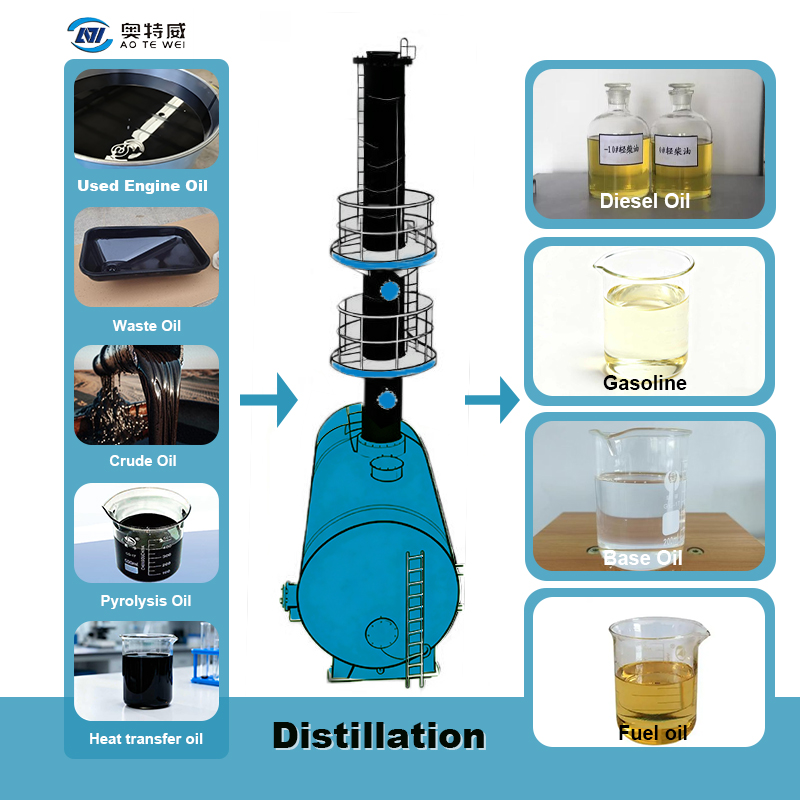
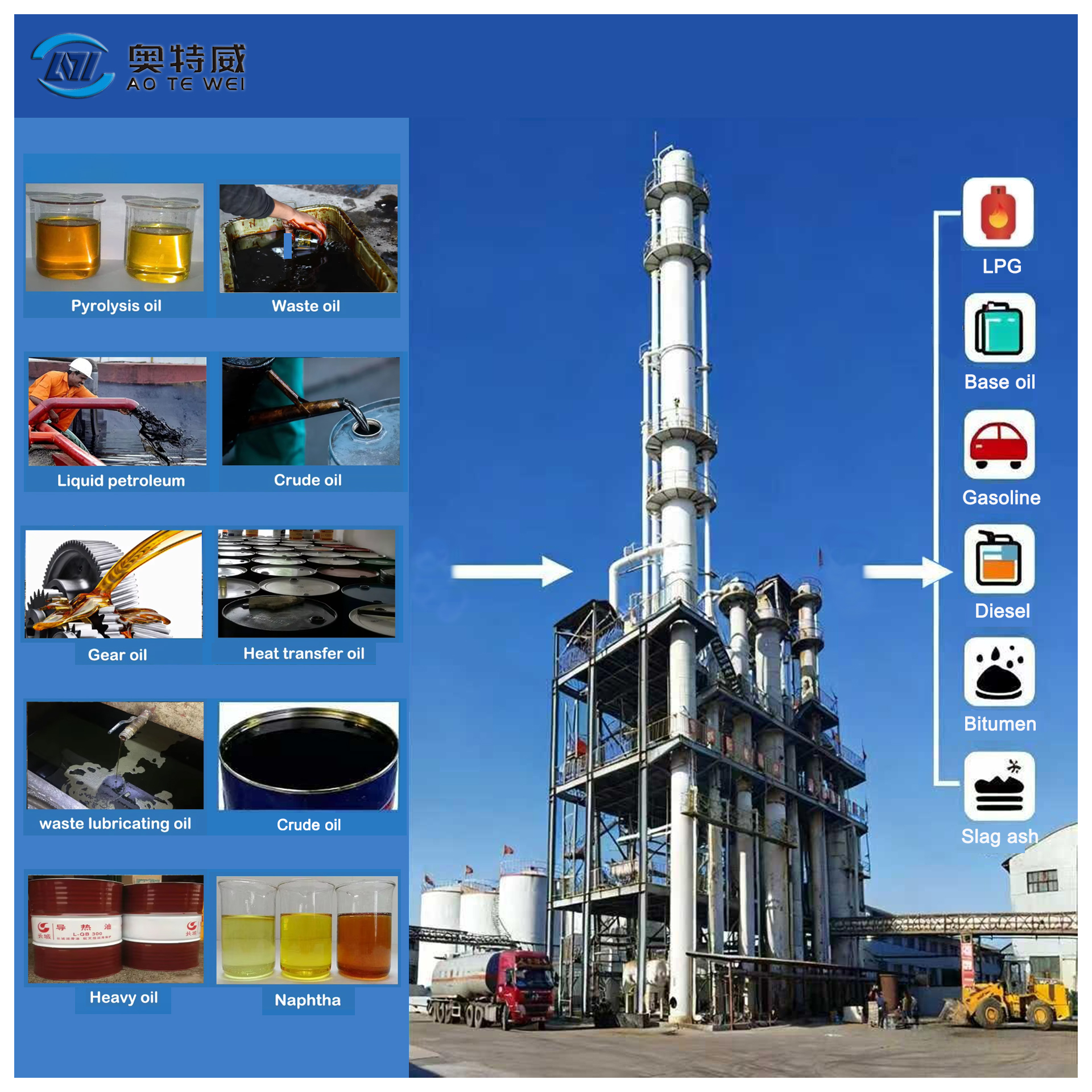
Engine oil waste is a byproduct generated from the use and degradation of lubricating oils in internal combustion engines, industrial machinery, and mechanical systems. As engine oil circulates through an engine, it collects contaminants such as metal particles, soot, water, fuel residues, and chemical breakdown products. Over time, these accumulated impurities reduce the oil's ability to lubricate, cool, and protect engine components, rendering it spent or waste oil. Understanding engine oil waste is essential for industries, fleet operators, automotive service centers, and environmental managers who deal with large volumes of used lubricants on a regular basis. Engine oil waste is not simply a disposal problem. It represents a significant resource that, when properly managed, can be refined, recycled, or converted into energy. The global volume of engine oil waste generated annually runs into millions of metric tons, making its responsible handling a matter of both economic and environmental importance. Modern processing technologies allow engine oil waste to be re-refined into base oils that meet or exceed original specifications, reducing the demand for virgin crude oil and lowering the carbon footprint of lubricant production. From a technological standpoint, engine oil waste management involves several sophisticated processes. Vacuum distillation separates light fractions and water from the used oil. Hydrotreatment removes sulfur, nitrogen, and other impurities, producing clean base stocks. Solvent extraction and clay treatment are also employed depending on the quality of the incoming waste stream. These technologies ensure that engine oil waste can be transformed into a high-value product rather than simply incinerated or landfilled. Applications for processed engine oil waste are broad. Re-refined base oil is used in automotive lubricants, industrial oils, and hydraulic fluids. Fuel-grade products derived from engine oil waste serve as supplemental energy sources in cement kilns, power plants, and industrial furnaces. Some facilities use engine oil waste directly as a feedstock for pyrolysis, producing diesel-equivalent fuels and carbon black. The versatility of engine oil waste as a raw material underscores its commercial and environmental value across multiple sectors.

New Products

Engine oil waste offers a range of practical benefits that make it a valuable resource rather than a liability. For businesses and individuals who generate or process used oil, understanding these advantages can lead to smarter decisions, lower costs, and a reduced environmental footprint. Here is a clear breakdown of why engine oil waste deserves serious attention. First, engine oil waste can be recycled and re-refined into high-quality base oil. This process recovers up to 70 percent of the original oil volume, giving it a second life as a fully functional lubricant. Businesses that invest in re-refining engine oil waste reduce their dependence on newly extracted crude oil, which directly lowers raw material costs. For large fleet operators and industrial facilities, this translates into measurable savings on lubricant procurement over time. Second, engine oil waste serves as a reliable fuel source. When processed correctly, it produces a combustible product with a high calorific value comparable to industrial fuel oil. Cement plants, steel mills, and power generation facilities use this fuel to offset their energy costs. Switching to fuel derived from engine oil waste reduces spending on conventional fossil fuels and provides a consistent, locally sourced energy supply that is less vulnerable to global price fluctuations. Third, managing engine oil waste responsibly keeps businesses compliant with environmental regulations. Improper disposal of engine oil waste contaminates soil and groundwater, leading to costly cleanup operations and legal penalties. By channeling engine oil waste into certified recycling or processing programs, companies avoid regulatory fines and protect their reputation. Compliance also opens doors to green certifications and sustainability reporting, which increasingly influence purchasing decisions among corporate clients. Fourth, engine oil waste collection and processing creates economic opportunities. Collection networks, processing facilities, and distribution channels for re-refined products all generate jobs and business activity. Communities that build infrastructure around engine oil waste management benefit from local employment and reduced waste disposal costs for municipalities. Fifth, using re-refined products from engine oil waste performs on par with virgin lubricants in independent testing. Engine manufacturers and industry standards bodies have confirmed that re-refined base oils meet the same performance benchmarks as their conventional counterparts. This means customers do not sacrifice quality when choosing products made from engine oil waste. They get the same protection for their engines at a potentially lower price point. Sixth, reducing the volume of engine oil waste sent to landfills or burned without energy recovery lowers greenhouse gas emissions. Every liter of engine oil waste that gets re-refined instead of incinerated prevents the release of harmful pollutants into the atmosphere. For companies with sustainability goals, incorporating engine oil waste recycling into their operations is a straightforward way to demonstrate environmental responsibility and reduce their carbon footprint without disrupting core business activities.

Tips And Tricks

Company Updates Factory Audit Video | On-site Shooting of Aotewei Environmental Protection Equipment, Transparently Showing Manufacturing Strength

08

Apr

Company Updates Factory Audit Video | On-site Shooting of Aotewei Environmental Protection Equipment, Transparently Showing Manufacturing Strength

To further improve supply chain transparency and optimize the factory audit experience for domestic and overseas customers, Shangqiu Aotewei Environmental Protection Equipment Co., Ltd. has recently completed a comprehensive update of its factory aud...
View More

Get a Free Quote

Our representative will contact you soon.
Email
WhatsApp / Mobile
Name
Company Name
Message
0/1000

engine oil waste

Sustainable Re-Refining: Turning Engine Oil Waste Into Premium Base Oil

Sustainable Re-Refining: Turning Engine Oil Waste Into Premium Base Oil

One of the most compelling features of engine oil waste is its potential to be transformed back into high-grade base oil through the re-refining process. Unlike simple recycling, re-refining is a sophisticated industrial operation that restores used oil to a condition that meets or exceeds the specifications of virgin base oil. This process begins with the collection and pre-treatment of engine oil waste, where water and light fuel fractions are removed through evaporation and vacuum distillation. The dehydrated oil then undergoes hydrotreatment, a catalytic process that strips out sulfur compounds, nitrogen, metals, and other contaminants that accumulated during the oil's service life. The result is a clean, stable base oil ready for blending into finished lubricants. The environmental significance of this capability cannot be overstated. Producing one liter of re-refined base oil from engine oil waste requires significantly less energy than refining the same volume from crude oil. It also eliminates the need to extract additional petroleum from the ground, conserving a finite natural resource. For every million liters of engine oil waste processed through re-refining, the equivalent of hundreds of thousands of liters of crude oil extraction is avoided. This makes re-refining engine oil waste one of the most energy-efficient and resource-conserving activities in the lubricants industry. From a commercial perspective, re-refined base oil derived from engine oil waste is cost-competitive. Processing costs have declined as technology has improved, and the feedstock, engine oil waste, is widely available and often collected at low or no cost through established waste oil collection programs. Lubricant blenders who source re-refined base oil benefit from a stable, domestic supply chain that is insulated from the volatility of global crude oil markets. End users who purchase lubricants made from re-refined engine oil waste get a product that performs identically to conventional lubricants, often at a lower retail price. Quality assurance is a central concern in re-refining engine oil waste, and the industry has responded with rigorous testing protocols. Finished base oils are tested for viscosity, oxidation stability, flash point, and contaminant levels before they leave the refinery. Independent certification bodies and automotive manufacturers have validated re-refined products, giving consumers and fleet managers confidence in their performance. Choosing lubricants derived from engine oil waste is therefore not a compromise. It is a smart, sustainable choice backed by science and industry validation.
High-Calorific Fuel Recovery: Maximizing the Energy Value of Engine Oil Waste

High-Calorific Fuel Recovery: Maximizing the Energy Value of Engine Oil Waste

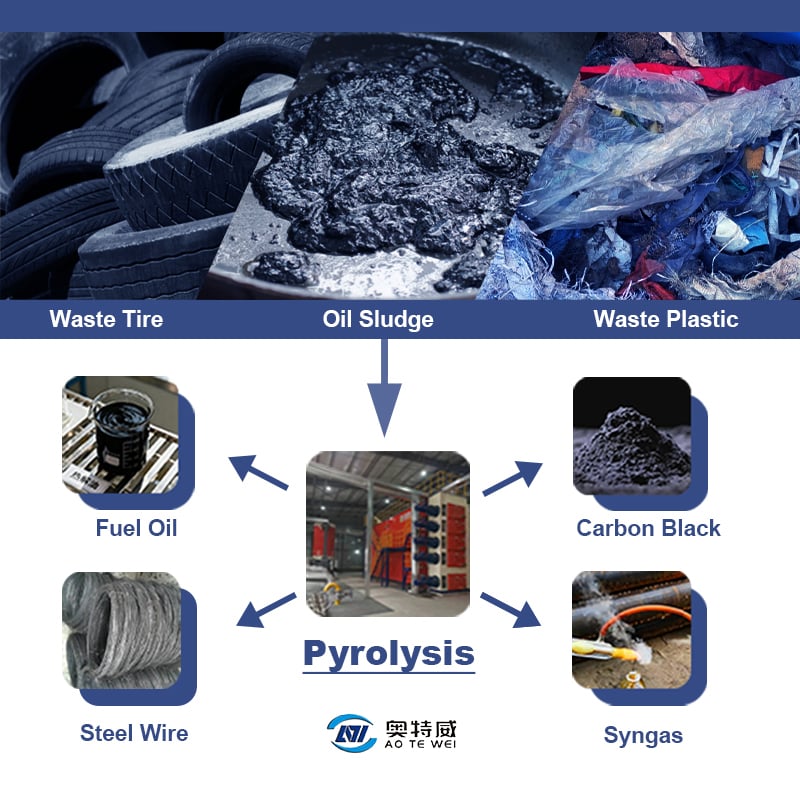
Engine oil waste carries substantial embedded energy that can be recovered and put to productive use rather than lost through improper disposal. The calorific value of engine oil waste is comparable to that of heavy fuel oil, making it an attractive supplemental energy source for energy-intensive industries. When engine oil waste is processed into fuel-grade products, it enters a circular economy loop where waste becomes a resource, reducing both disposal costs and energy expenditures simultaneously. The fuel recovery process for engine oil waste typically involves filtration to remove solid particles, dewatering to eliminate moisture, and in some cases mild distillation to produce a cleaner, more consistent fuel product. The resulting fuel oil is used in industrial burners, rotary kilns in cement manufacturing, and large-scale boilers in power generation. These applications consume enormous quantities of fuel, and substituting a portion of that demand with fuel derived from engine oil waste delivers direct cost savings without requiring significant modifications to existing combustion equipment. Pyrolysis is an advanced thermal conversion technology that takes fuel recovery from engine oil waste a step further. In a pyrolysis reactor, engine oil waste is heated in the absence of oxygen, breaking down the complex hydrocarbon chains into lighter fractions. The output includes a diesel-equivalent liquid fuel, combustible gas that can power the reactor itself, and carbon black, a solid material used in rubber manufacturing and pigment production. Pyrolysis of engine oil waste therefore produces multiple valuable outputs from a single waste stream, maximizing resource recovery and generating additional revenue streams for processing facilities. For industrial energy managers, incorporating fuel derived from engine oil waste into their energy mix provides a hedge against fossil fuel price volatility. Unlike crude oil and natural gas, which are subject to geopolitical disruptions and market speculation, engine oil waste is generated locally and consistently. Collection infrastructure for engine oil waste is well established in most industrialized regions, ensuring a reliable feedstock supply. This predictability makes fuel recovery from engine oil waste a strategically sound energy sourcing decision for facilities with high and continuous thermal energy demands. Environmental regulators increasingly recognize fuel recovery from engine oil waste as a preferred alternative to landfilling or uncontrolled burning. Properly managed combustion of processed engine oil waste fuel produces lower emissions than burning raw waste oil and contributes to national waste reduction targets. Facilities that adopt certified fuel recovery programs for engine oil waste can document their environmental performance and demonstrate compliance with waste management directives, strengthening their standing with regulators and sustainability-focused stakeholders.
Regulatory Compliance and Environmental Protection Through Proper Engine Oil Waste Management

Regulatory Compliance and Environmental Protection Through Proper Engine Oil Waste Management

Proper management of engine oil waste is not only an environmental responsibility but also a legal requirement in most jurisdictions around the world. Regulatory frameworks governing engine oil waste are designed to prevent contamination of soil, surface water, and groundwater, all of which are highly vulnerable to the toxic compounds found in used lubricating oil. A single liter of engine oil waste has the potential to contaminate up to one million liters of drinking water if it enters a water supply untreated. This stark reality drives strict regulations that mandate proper collection, storage, transportation, and disposal or recycling of engine oil waste by all generators, from individual vehicle owners to large industrial operators. For businesses, compliance with engine oil waste regulations is a baseline requirement that carries significant financial and reputational implications. Non-compliance can result in substantial fines, mandatory site remediation at the generator's expense, and in serious cases, criminal liability for responsible individuals. Beyond the direct penalties, companies found to have mismanaged engine oil waste face reputational damage that can affect customer relationships, investor confidence, and access to public contracts. Establishing a robust engine oil waste management program is therefore both a legal safeguard and a business risk management strategy. Certified engine oil waste collection and recycling services provide businesses with documentation that demonstrates compliance. Waste transfer notes, recycling certificates, and chain-of-custody records create an auditable trail showing that engine oil waste was handled according to regulatory requirements from the point of generation to its final destination. This documentation is invaluable during regulatory inspections and environmental audits, and it supports sustainability reporting under frameworks such as ISO 14001 and the Global Reporting Initiative. Beyond compliance, responsible engine oil waste management delivers tangible environmental benefits that align with corporate sustainability commitments. Diverting engine oil waste from landfills and uncontrolled disposal reduces the risk of long-term soil and groundwater contamination, protecting ecosystems and communities near industrial sites. Companies that actively promote their engine oil waste recycling programs can use this commitment as a differentiator in markets where environmental performance influences purchasing decisions. Customers, partners, and investors increasingly evaluate suppliers on their environmental track record, and a well-documented engine oil waste management program provides concrete evidence of responsible operations. Training staff to handle engine oil waste correctly is a practical step that reduces accidental spills and improper disposal incidents. Simple measures such as clearly labeled storage containers, spill containment equipment, and regular collection schedules minimize the risk of environmental incidents and keep the workplace safe. Partnering with a reputable engine oil waste collection and processing company ensures that the entire management chain meets regulatory standards, giving business operators peace of mind and freeing them to focus on their core activities.

Get a Free Quote

Our representative will contact you soon.
Email
WhatsApp / Mobile
Name
Company Name
Message
0/1000
Newsletter
Please Leave A Message With Us