Professional Mineral Oil Disposal Services: Compliant, Efficient, and Sustainable Solutions

Get a Free Quote

Our representative will contact you soon.
Email
WhatsApp / Mobile
Name
Company Name
Message
0/1000

mineral oil disposal

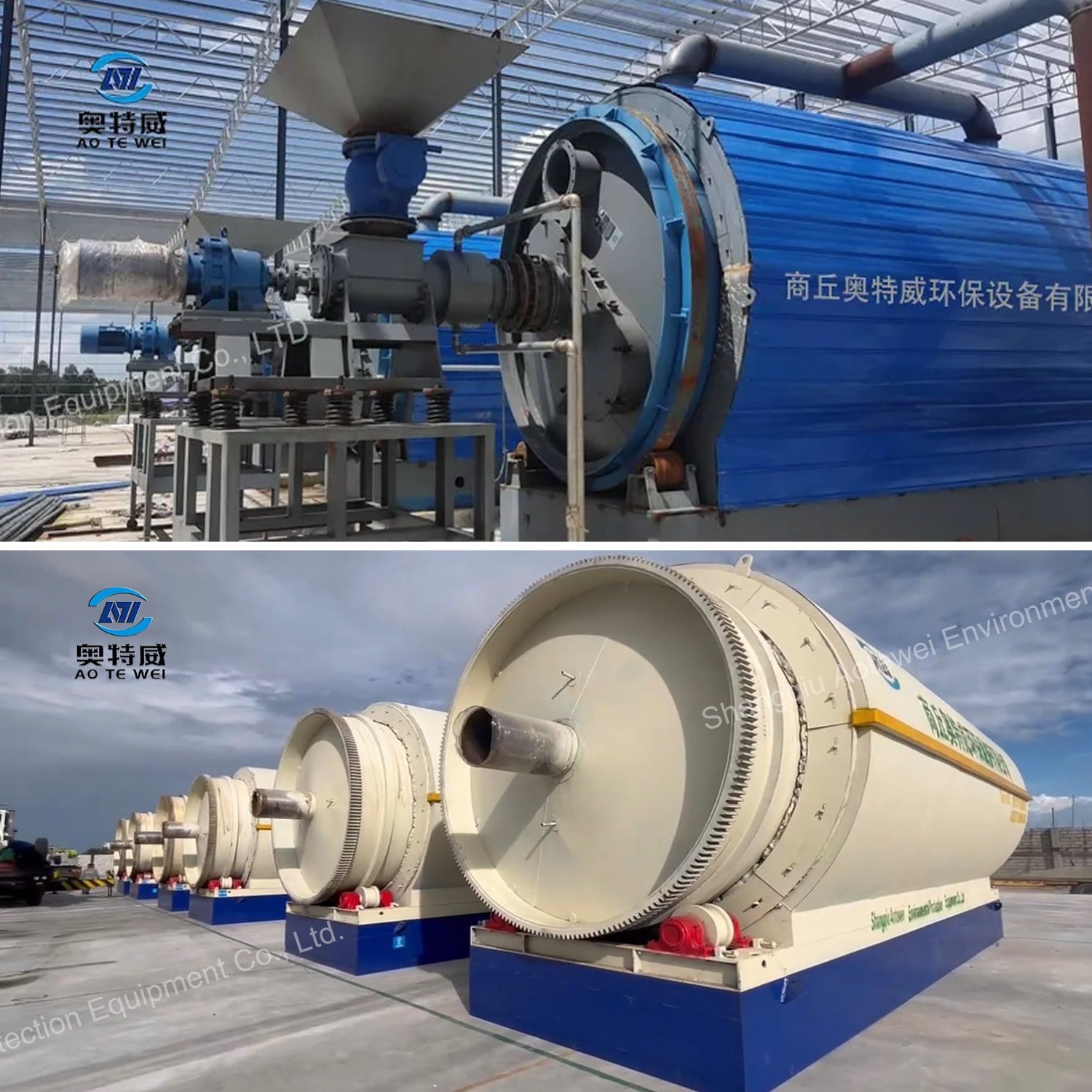
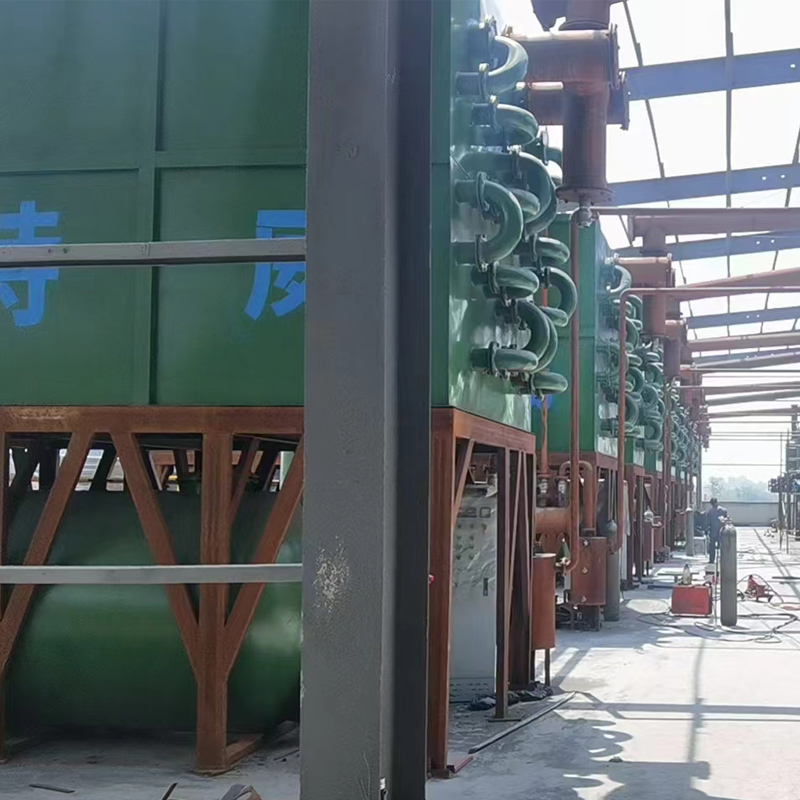
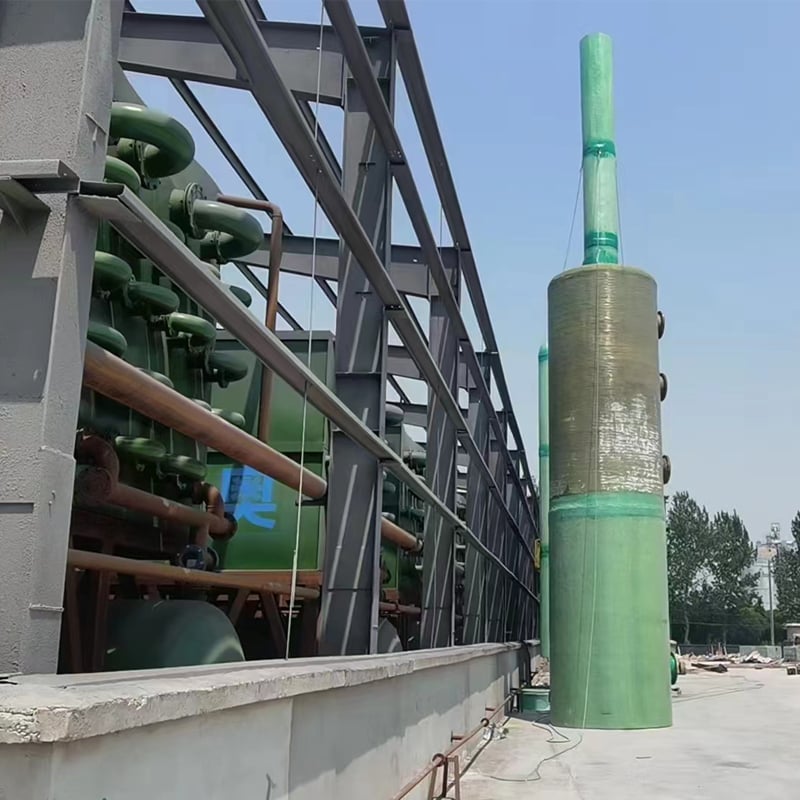
Mineral oil disposal is a critical process in industrial and environmental management, addressing the safe handling, treatment, and elimination of used or contaminated mineral oils. These oils, derived from petroleum refining, are widely used as lubricants, coolants, hydraulic fluids, and transformer insulating fluids across manufacturing, energy, and transportation sectors. Over time, mineral oils degrade, accumulate contaminants such as heavy metals, water, solvents, and particulates, and lose their functional properties, making proper mineral oil disposal not just a regulatory requirement but an operational necessity. The core function of mineral oil disposal is to prevent environmental contamination. When mineral oil enters soil or water systems, it creates long-lasting ecological damage, suffocating aquatic life, contaminating groundwater, and disrupting soil microbiomes. Effective mineral oil disposal systems intercept these risks before they materialize, using a combination of physical, chemical, and biological treatment technologies. Technologically, modern mineral oil disposal solutions employ multi-stage processing. The first stage typically involves collection and pre-treatment, where oils are gathered from industrial sources and screened for contamination levels. The second stage uses separation technologies such as centrifugation, gravity settling, and membrane filtration to remove water and solid impurities. Advanced systems incorporate vacuum distillation and hydrotreatment to recover base oil fractions for re-refining, transforming waste into a reusable resource. Chemical neutralization and thermal treatment methods handle residual fractions that cannot be recovered. Applications of mineral oil disposal span a wide range of industries. Automotive service centers generate large volumes of used engine oil requiring compliant disposal. Power utilities manage transformer oil that may contain polychlorinated biphenyls. Metalworking facilities produce cutting and cooling oils laden with metal particles. Food processing plants handle food-grade mineral oils that require specialized disposal pathways. Each application demands tailored mineral oil disposal protocols to meet environmental standards and operational goals. Regulatory frameworks in most countries mandate documented mineral oil disposal procedures, with penalties for non-compliance. Certified disposal providers offer manifesting, tracking, and reporting services that keep businesses aligned with local and international environmental laws, making mineral oil disposal an integrated part of responsible industrial operations.

New Product Recommendations

Choosing a professional mineral oil disposal service delivers real, measurable benefits that go far beyond simply meeting legal requirements. Here is a straightforward look at what proper mineral oil disposal actually does for your business and your community. First, it protects you from serious financial and legal risk. Improper disposal of mineral oil can result in heavy fines, facility shutdowns, and costly environmental remediation projects. Regulatory agencies monitor industrial waste streams closely, and violations related to mineral oil disposal are among the most frequently cited environmental infractions. By working with a certified mineral oil disposal provider, you create a documented compliance trail that shields your organization from liability and keeps your operations running without interruption. Second, mineral oil disposal done right actually saves money over time. Many businesses are surprised to learn that used mineral oil has recoverable value. Re-refining processes can extract base oil from collected waste, which is then sold back into the lubricant supply chain. Some mineral oil disposal programs offer rebates or reduced service fees when the volume and quality of collected oil meets re-refining thresholds. This turns a waste management cost into a partial revenue offset, improving your overall operational budget. Third, professional mineral oil disposal reduces your environmental footprint in a concrete way. Every liter of mineral oil that is properly processed rather than dumped or burned represents a direct reduction in soil and water contamination risk. Businesses that demonstrate responsible mineral oil disposal practices strengthen their environmental credentials, which increasingly matters to customers, investors, and partners who evaluate sustainability performance. Fourth, it simplifies your internal operations. Managing used oil storage, transportation, and documentation in-house is time-consuming and requires trained personnel. Outsourcing mineral oil disposal to a specialist means your team focuses on core production activities while the disposal provider handles collection schedules, container management, regulatory paperwork, and final processing. This operational simplicity reduces administrative burden and minimizes the risk of internal handling errors that could lead to spills or non-compliance events. Fifth, mineral oil disposal services scale with your needs. Whether you are a small automotive workshop generating a few drums of used oil per month or a large industrial facility producing thousands of liters weekly, disposal providers offer flexible service tiers. Scheduled pickups, emergency collection, on-site pre-treatment support, and consolidated reporting are all available as part of comprehensive mineral oil disposal programs. Sixth, using a reputable mineral oil disposal service supports the circular economy. Recovered base oils re-enter production cycles, reducing the demand for virgin petroleum extraction. This chain of recovery and reuse lowers the carbon intensity of lubricant manufacturing and contributes to broader sustainability goals that align with global climate commitments. In practical terms, mineral oil disposal is not a burden. It is a straightforward operational decision that protects your business, reduces costs, supports compliance, and demonstrates environmental responsibility to everyone who works with you or buys from you.

Latest News

Company Updates Factory Audit Video | On-site Shooting of Aotewei Environmental Protection Equipment, Transparently Showing Manufacturing Strength

08

Apr

Company Updates Factory Audit Video | On-site Shooting of Aotewei Environmental Protection Equipment, Transparently Showing Manufacturing Strength

To further improve supply chain transparency and optimize the factory audit experience for domestic and overseas customers, Shangqiu Aotewei Environmental Protection Equipment Co., Ltd. has recently completed a comprehensive update of its factory aud...
View More

Get a Free Quote

Our representative will contact you soon.
Email
WhatsApp / Mobile
Name
Company Name
Message
0/1000

mineral oil disposal

Comprehensive Compliance and Risk Management Through Certified Mineral Oil Disposal

Comprehensive Compliance and Risk Management Through Certified Mineral Oil Disposal

One of the most significant advantages of engaging a professional mineral oil disposal service is the comprehensive compliance coverage it provides. Environmental regulations governing the handling, storage, transportation, and final treatment of used mineral oil are complex, frequently updated, and vary across jurisdictions. For businesses operating in multiple regions or countries, keeping pace with these requirements internally is a substantial challenge that diverts resources from core operations. A certified mineral oil disposal provider brings deep regulatory expertise to every engagement. These providers maintain current knowledge of national and international standards, including EPA guidelines in the United States, the Waste Framework Directive in the European Union, and equivalent frameworks in Asia-Pacific and other markets. When you partner with a qualified mineral oil disposal specialist, you receive more than a collection service. You receive a fully documented compliance program that includes waste characterization reports, chain-of-custody manifests, transportation permits, and final disposal certificates. This documentation package is essential during regulatory audits, insurance reviews, and due diligence processes associated with mergers, acquisitions, or facility certifications. Risk management is another dimension where professional mineral oil disposal delivers clear value. Spills, leaks, and improper storage of used mineral oil create immediate environmental hazards and trigger mandatory reporting obligations. A structured mineral oil disposal program establishes proper containment protocols, defines collection frequencies that prevent overfilling of storage vessels, and provides trained personnel who handle transfers safely. The result is a dramatic reduction in the probability of incidents that could expose your organization to remediation costs, legal action, or reputational damage. Beyond reactive risk reduction, proactive mineral oil disposal planning supports business continuity. Facilities that integrate disposal scheduling into their maintenance cycles avoid the operational disruptions caused by emergency waste removal events. Predictable disposal timelines also support accurate budgeting, eliminating the cost spikes associated with unplanned waste management interventions. For industries such as power generation, heavy manufacturing, and transportation, where mineral oil volumes are large and regulatory scrutiny is high, the compliance and risk management benefits of a structured mineral oil disposal program are not optional enhancements. They are foundational requirements for sustainable, responsible operations that protect both the business and the environment it operates within.
Advanced Recovery Technology That Transforms Mineral Oil Disposal Into a Resource Opportunity

Advanced Recovery Technology That Transforms Mineral Oil Disposal Into a Resource Opportunity

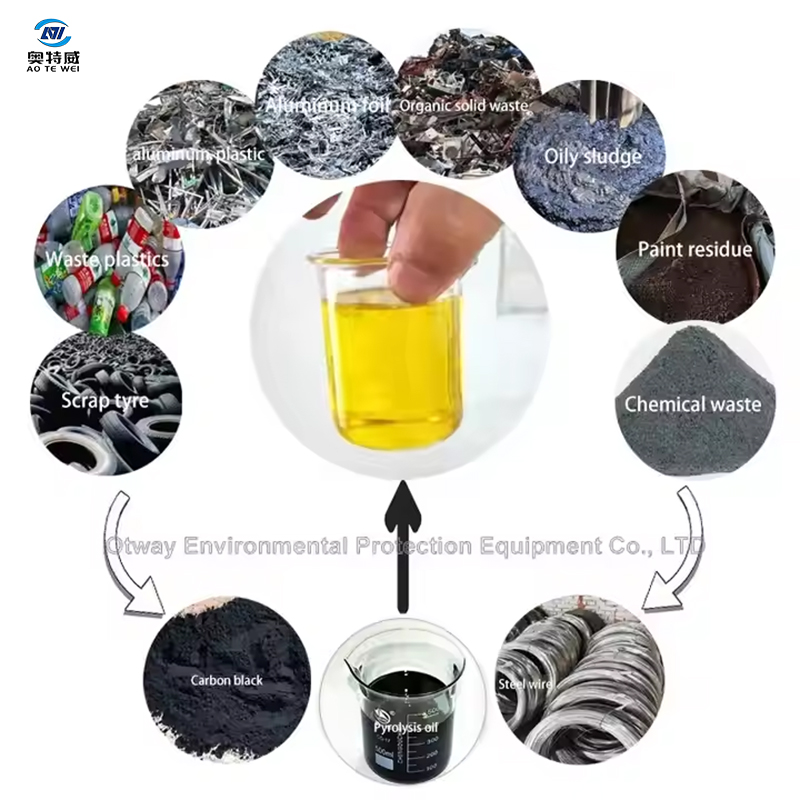
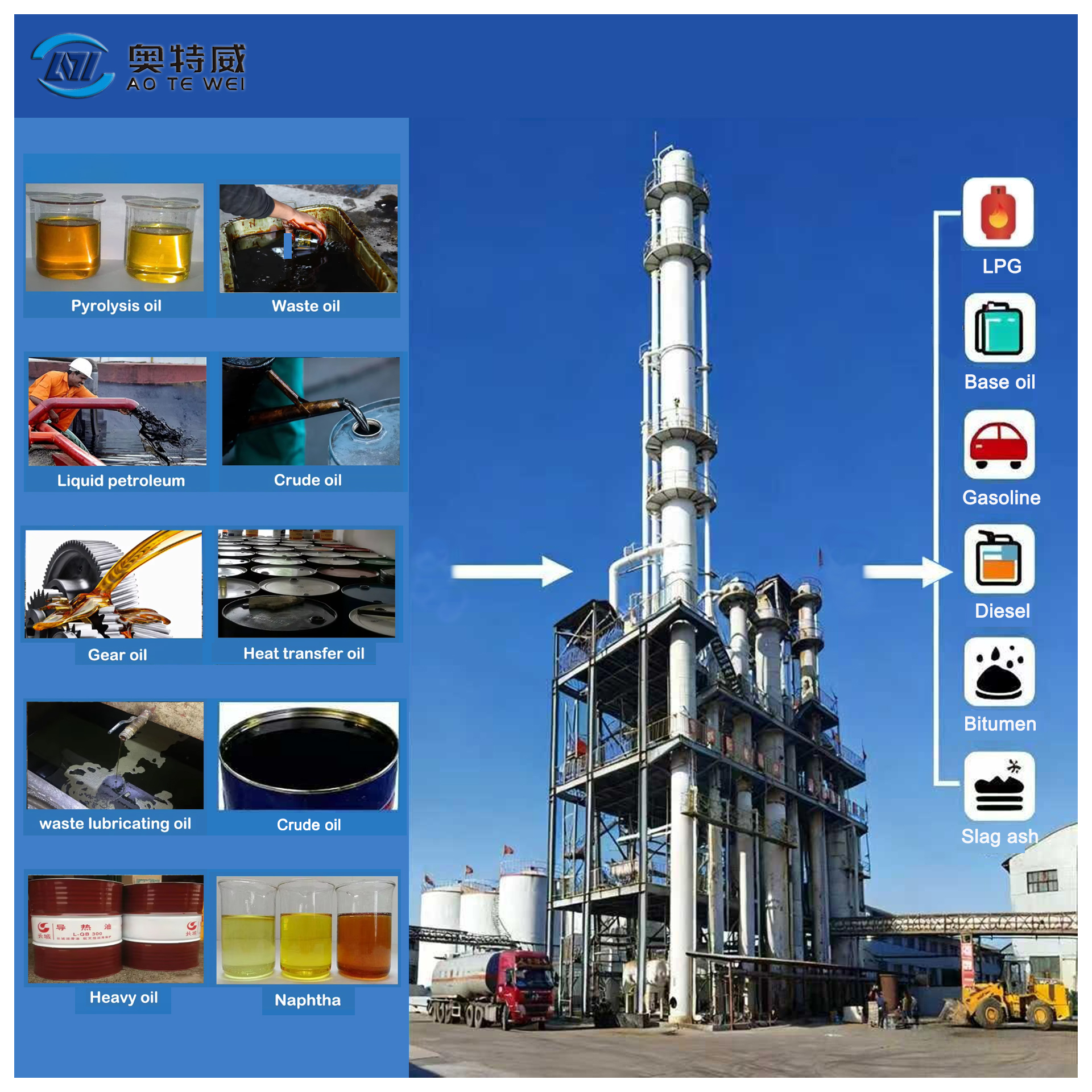
Modern mineral oil disposal has evolved far beyond simple waste elimination. Today, the most effective disposal systems incorporate advanced recovery and re-refining technologies that extract maximum value from used oil streams, converting what was once considered a liability into a recoverable resource. This technological evolution changes the economic equation for businesses that generate used mineral oil at scale. The recovery process begins with rigorous oil analysis. Before any treatment occurs, collected mineral oil undergoes laboratory testing to determine its contamination profile, viscosity characteristics, water content, and the presence of specific impurities such as heavy metals, chlorinated compounds, or fuel dilution. This analysis guides the selection of the appropriate treatment pathway, ensuring that each batch of used oil receives the most efficient and effective mineral oil disposal processing available. For oils that meet re-refining criteria, vacuum distillation is the primary recovery technology. This process removes water, light hydrocarbons, and volatile contaminants under reduced pressure, preserving the integrity of the base oil fraction. The recovered base oil then undergoes hydrotreatment, a catalytic process that removes sulfur, nitrogen, and residual impurities, producing a re-refined base oil that meets or exceeds the specifications of virgin base oil. This re-refined product re-enters the lubricant supply chain, reducing the demand for new petroleum extraction and lowering the overall carbon footprint of lubricant production. For mineral oil streams that are not suitable for re-refining due to high contamination levels, alternative mineral oil disposal pathways include co-processing in cement kilns, where the oil serves as both a fuel source and a raw material, and thermal treatment systems that recover energy while neutralizing hazardous components. These pathways ensure that no fraction of the collected oil stream is simply landfilled or discharged, maximizing resource recovery across the entire mineral oil disposal process. The practical benefit for businesses is twofold. First, participation in recovery-oriented mineral oil disposal programs often reduces disposal costs compared to purely destructive treatment methods. Second, businesses can document their contribution to circular economy goals, supporting sustainability reporting and corporate responsibility commitments that are increasingly important to stakeholders across every industry sector.
Scalable and Flexible Mineral Oil Disposal Solutions Designed for Every Operational Scale

Scalable and Flexible Mineral Oil Disposal Solutions Designed for Every Operational Scale

No two businesses generate used mineral oil in the same way, at the same volume, or under the same operational constraints. A small independent garage, a regional fleet maintenance depot, a large petrochemical plant, and a municipal power utility each face distinct mineral oil disposal challenges that require tailored solutions rather than one-size-fits-all service packages. The best mineral oil disposal providers recognize this diversity and build their service offerings around flexibility and scalability. For smaller generators, the primary need is simplicity and reliability. A scheduled collection service that arrives on a predictable timetable, provides appropriate storage containers, handles all transportation documentation, and issues disposal certificates covers the full scope of what a small business needs from a mineral oil disposal partner. These entry-level programs are priced to be accessible, removing the financial barrier that sometimes leads smaller operators to consider improper disposal methods that create far greater costs down the line. For medium and large industrial generators, mineral oil disposal requirements are more complex. High-volume collection logistics, on-site pre-treatment equipment, dedicated account management, and integrated reporting systems become essential components of an effective program. Large facilities may benefit from on-site oil analysis capabilities that allow real-time monitoring of used oil quality, enabling dynamic adjustments to collection schedules and treatment pathways that optimize both cost and recovery outcomes. Emergency response capability is another dimension of scalable mineral oil disposal service. Equipment failures, accidental releases, and unexpected production changes can generate sudden surges in used oil volume that exceed normal collection schedules. A capable mineral oil disposal provider maintains emergency response capacity, deploying additional collection resources quickly to prevent storage overflows and compliance breaches. Geographic flexibility matters as well. Businesses with multiple facilities across different regions need a mineral oil disposal partner with the network coverage to service all locations under a unified program, providing consolidated reporting and consistent compliance standards regardless of where each facility is located. This unified approach simplifies management oversight and ensures that every site meets the same high standards for responsible mineral oil disposal, protecting the entire organization under a single, coherent environmental management framework.

Get a Free Quote

Our representative will contact you soon.
Email
WhatsApp / Mobile
Name
Company Name
Message
0/1000
Newsletter
Please Leave A Message With Us