atmospheric crude distillation
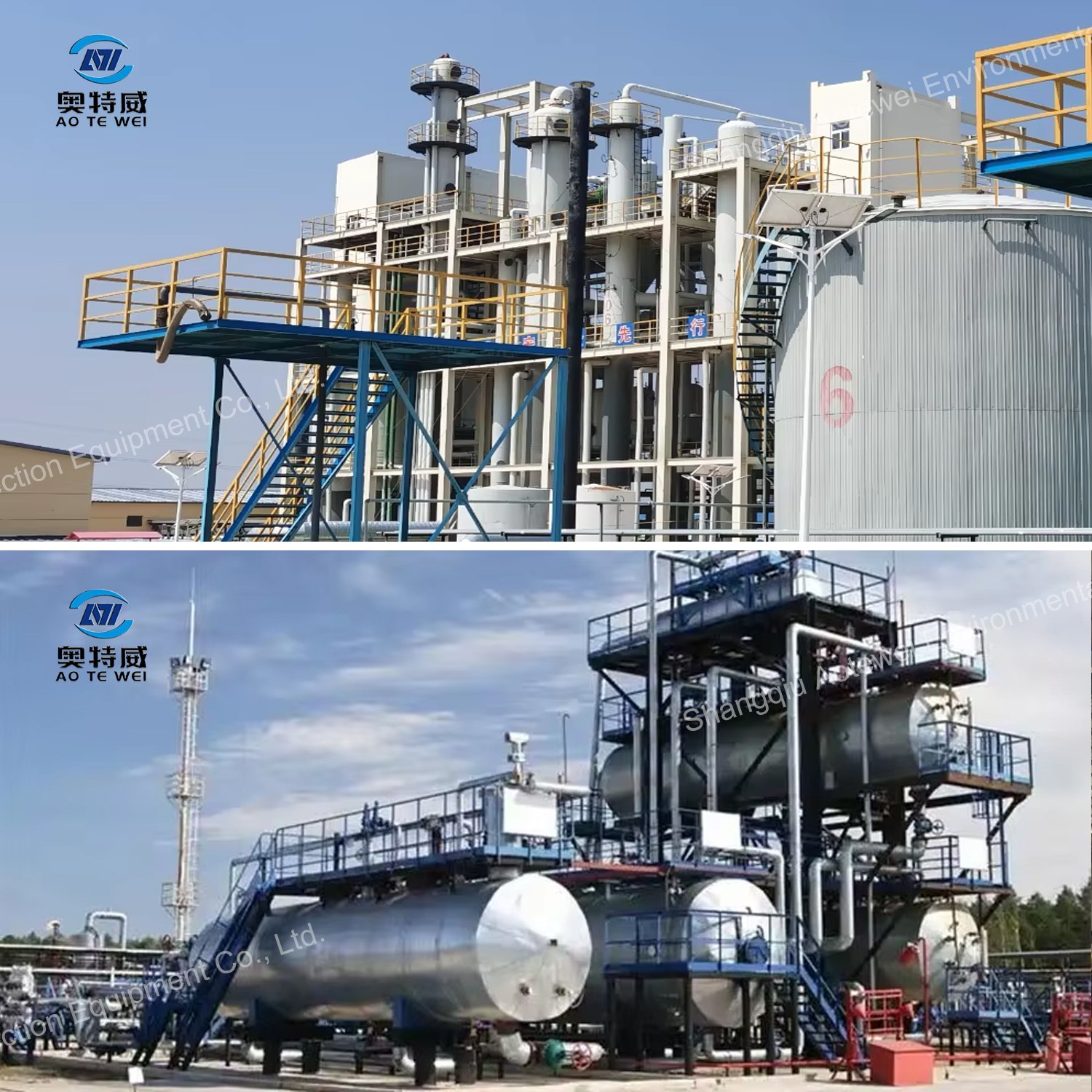
Atmospheric crude distillation is a fundamental process in the petroleum refining industry that separates crude oil into different hydrocarbon fractions based on their boiling points. This essential refining operation forms the foundation of modern oil processing, enabling refineries to produce valuable products from raw crude oil. The atmospheric crude distillation process operates at atmospheric pressure and moderate temperatures, making it one of the most economical and widely implemented separation technologies in oil refineries worldwide.
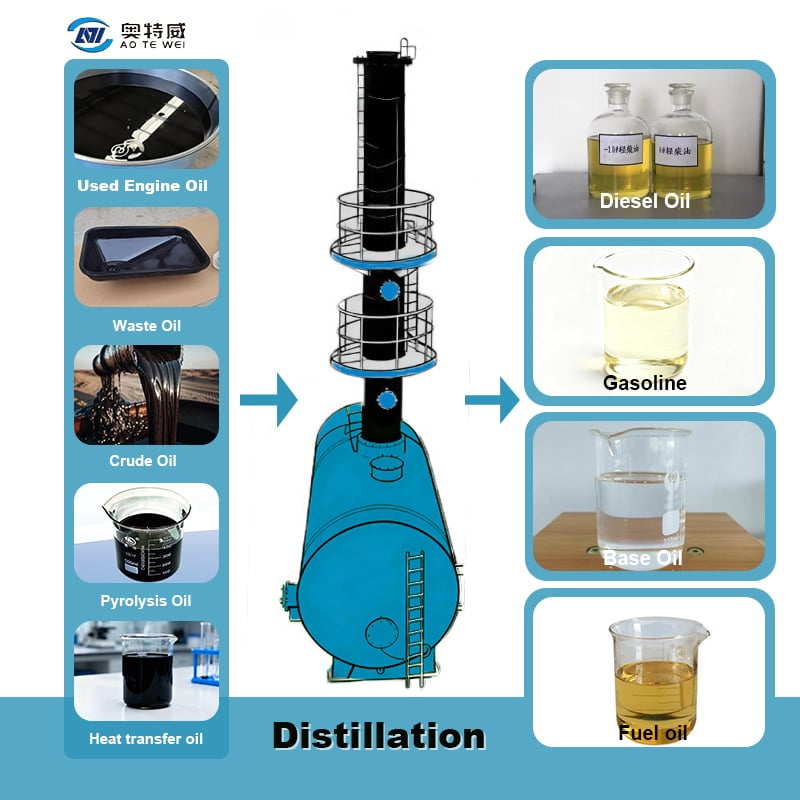
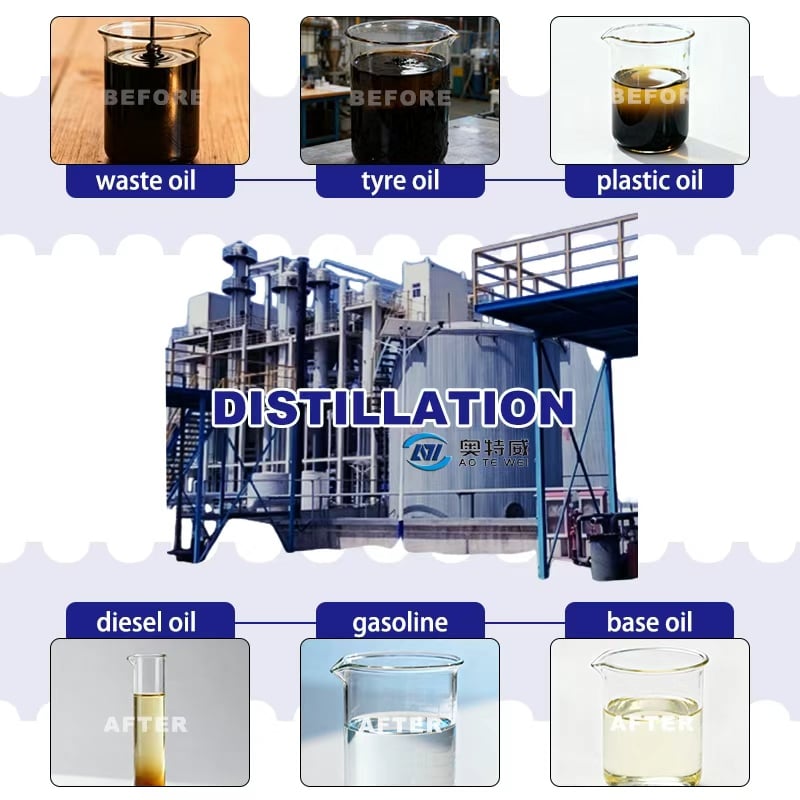
The main function of atmospheric crude distillation involves heating crude oil and feeding it into a fractionation column where different components separate into distinct layers. Light hydrocarbons rise to the top of the atmospheric crude distillation tower and exit as gases or light liquids, while heavier components settle at the bottom. This separation process creates multiple product streams including liquefied petroleum gas, naphtha, kerosene, diesel, and gas oil, each serving specific industrial and consumer applications.
Technologically, atmospheric crude distillation utilizes a fired heater to elevate crude oil temperature before it enters the distillation tower. The tower contains numerous trays or packing materials that facilitate contact between rising vapors and descending liquids, enhancing separation efficiency. Temperature gradients within the atmospheric crude distillation column allow precise product recovery, with cooler sections at the top and hotter sections at the bottom.
Applications of atmospheric crude distillation span across numerous industries. Refineries depend on this process to produce transportation fuels, heating oils, and petrochemical feedstocks. The versatility and efficiency of atmospheric crude distillation make it indispensable for meeting global energy demands and supporting industrial manufacturing sectors worldwide.