batch pyrolysis reactor
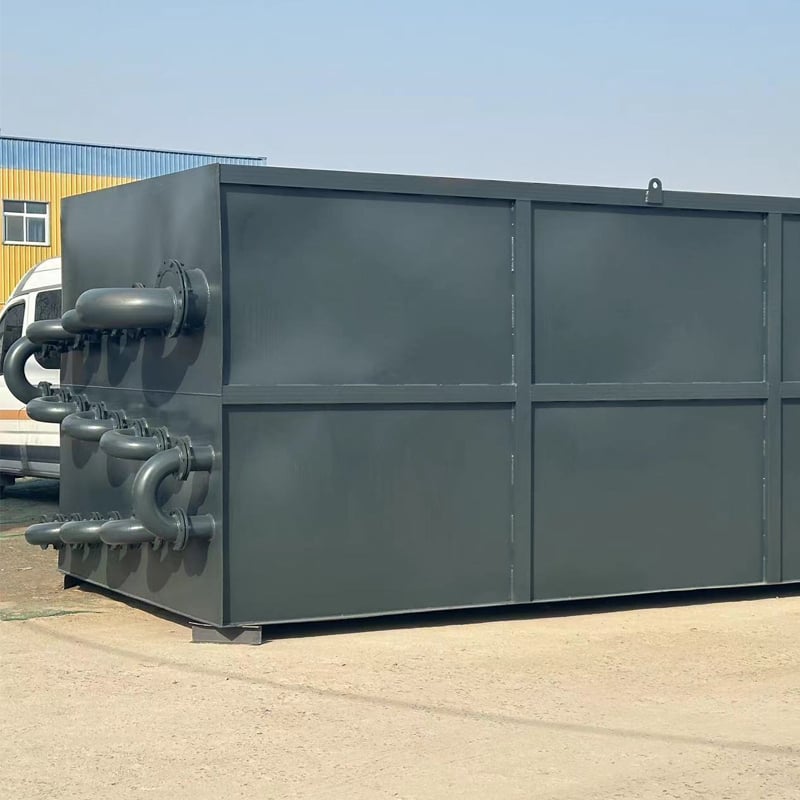
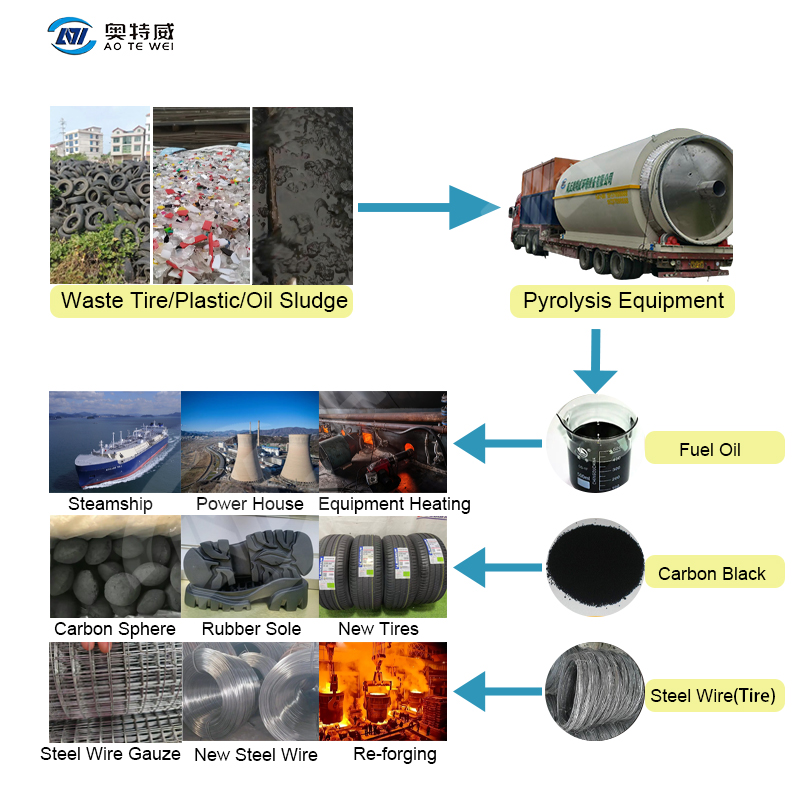
A batch pyrolysis reactor represents a specialized thermal processing system designed to decompose organic materials through controlled heating in an oxygen-free environment. This batch pyrolysis reactor operates by subjecting feedstock such as biomass, waste plastics, rubber, or other organic compounds to high temperatures, typically ranging from 400 to 800 degrees Celsius, initiating the breaking of chemical bonds without combustion.
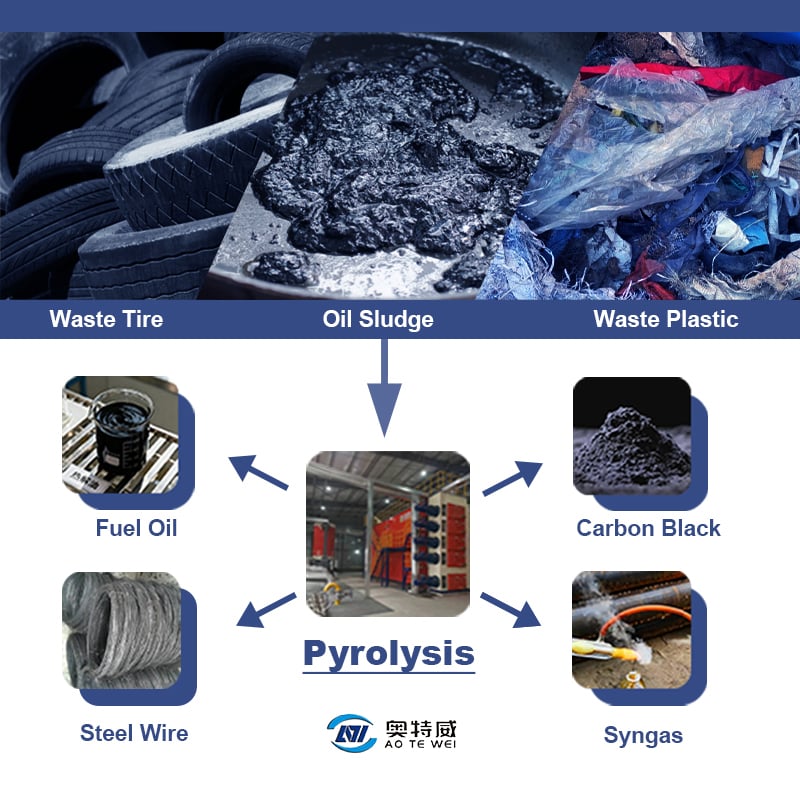
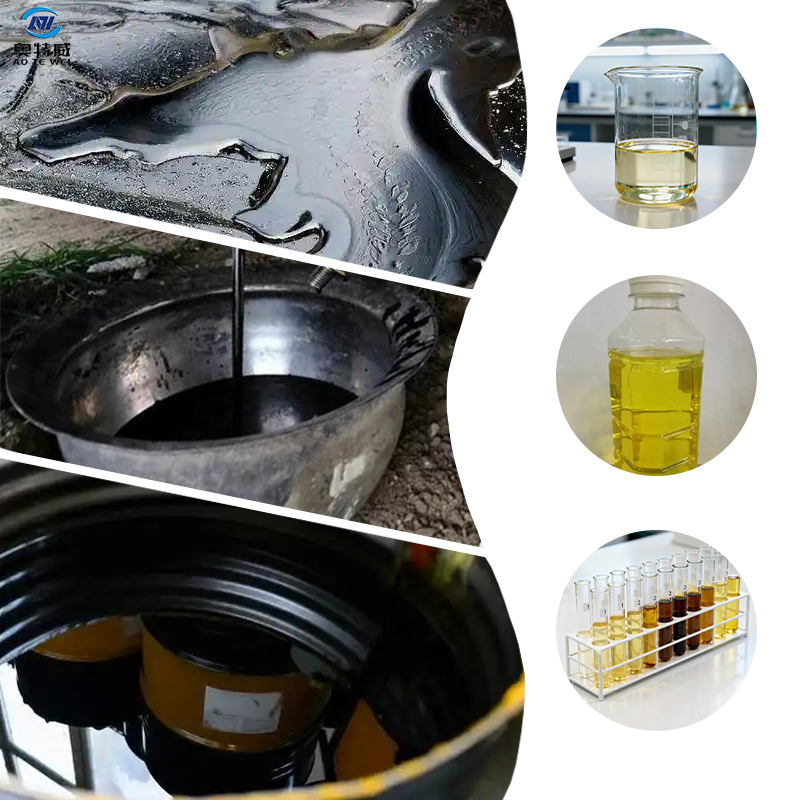
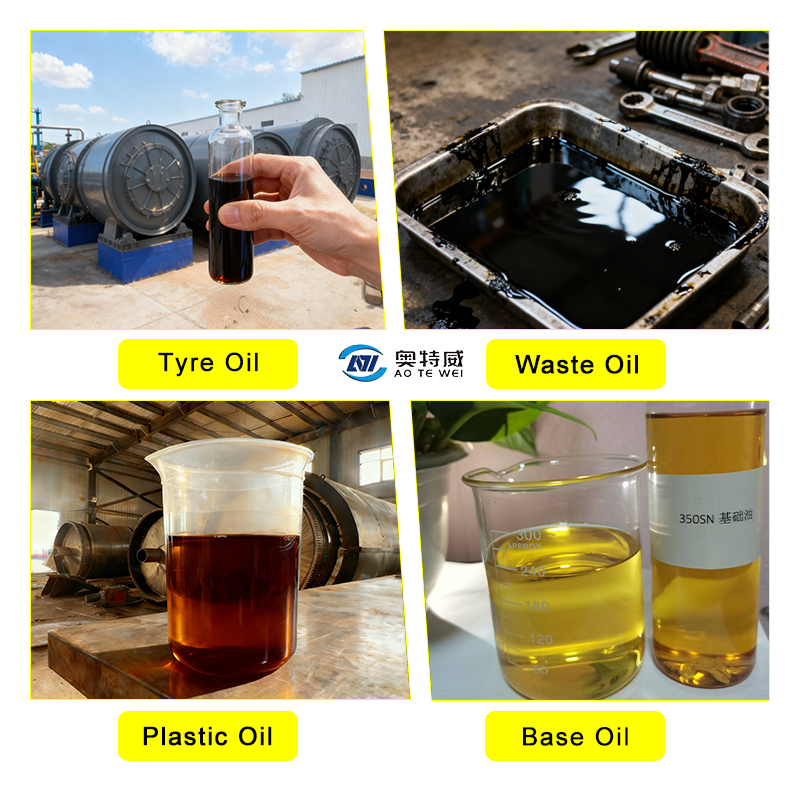
The primary function of a batch pyrolysis reactor involves converting solid waste materials into valuable products including bio-oil, biochar, and synthesis gas. The batch pyrolysis reactor achieves this transformation through a carefully controlled heating process that maximizes product yield while minimizing harmful emissions.
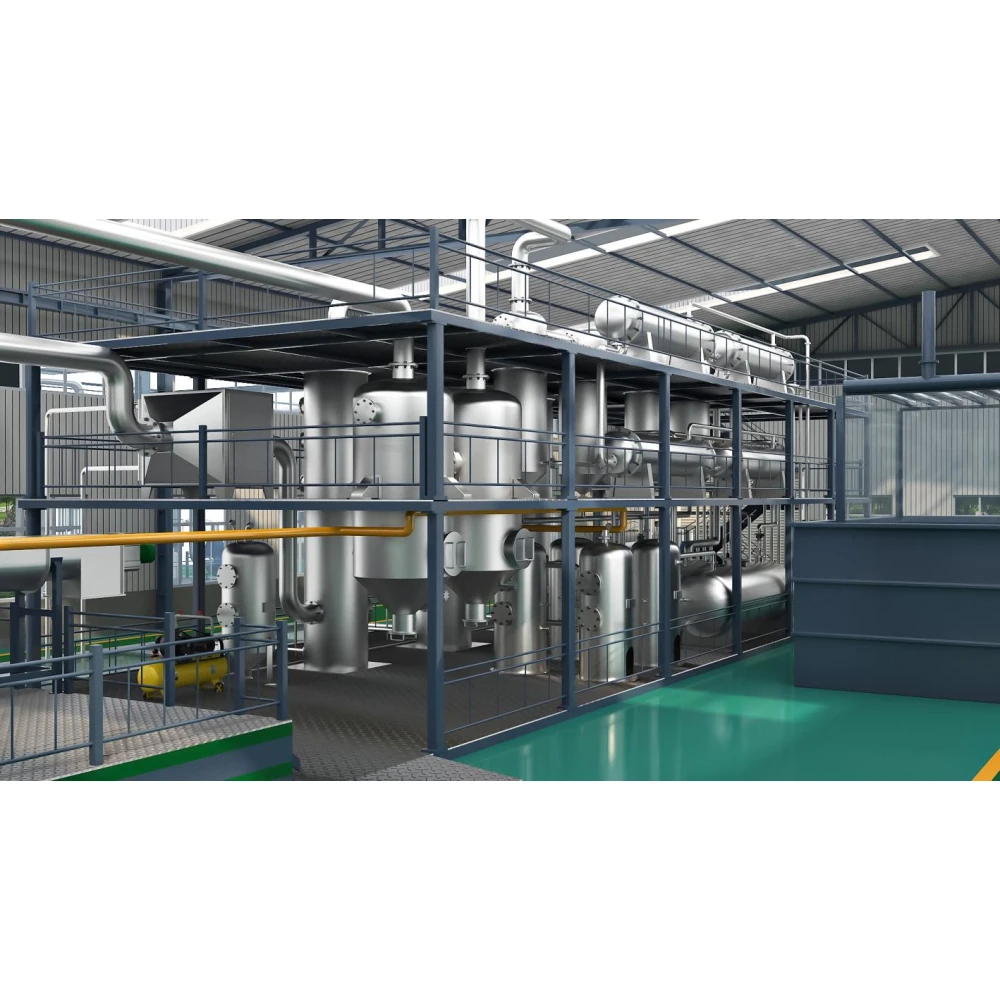
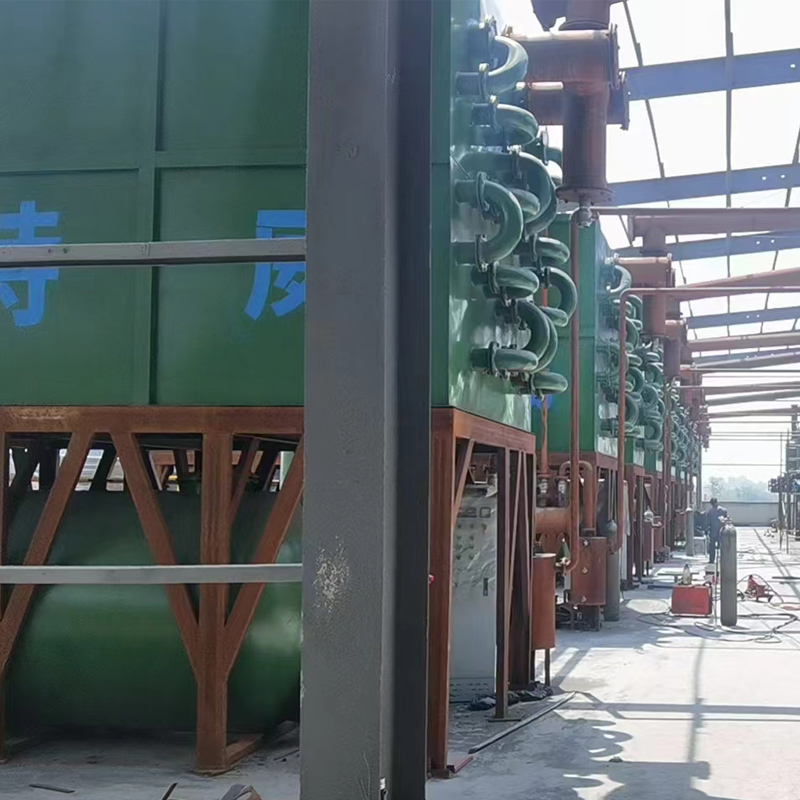
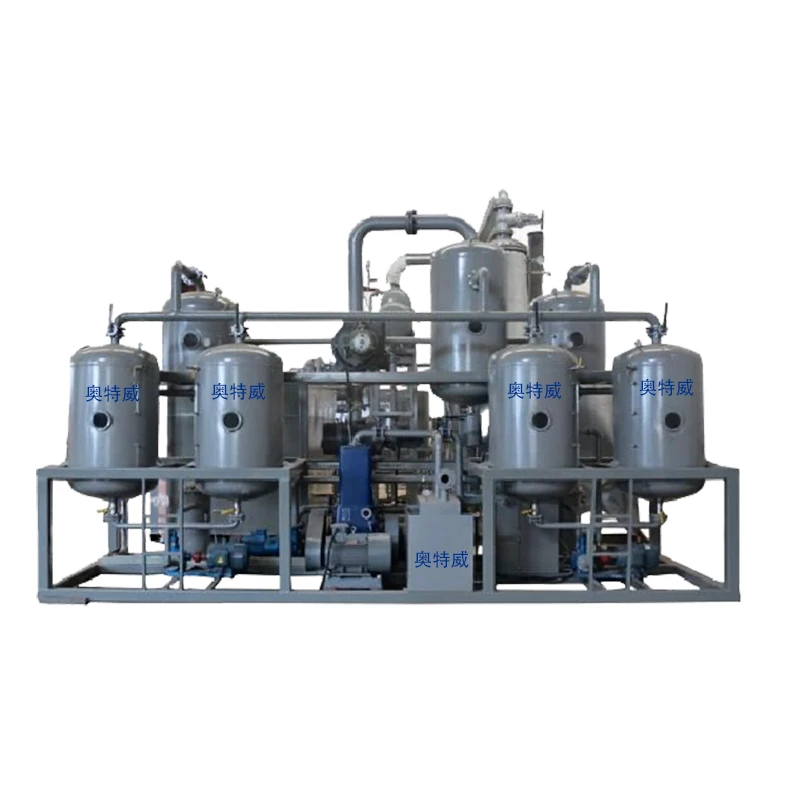
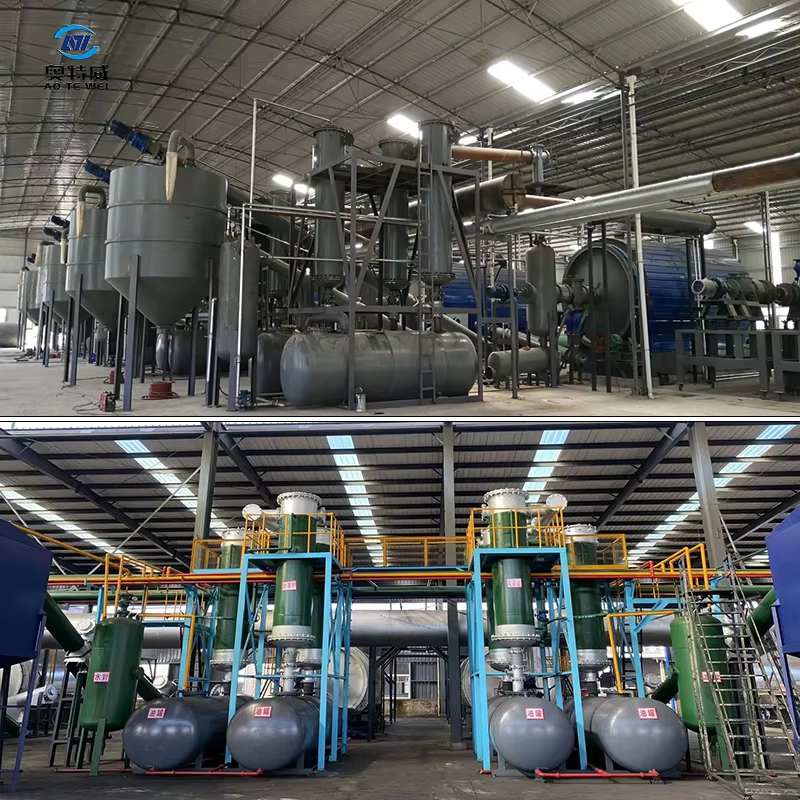
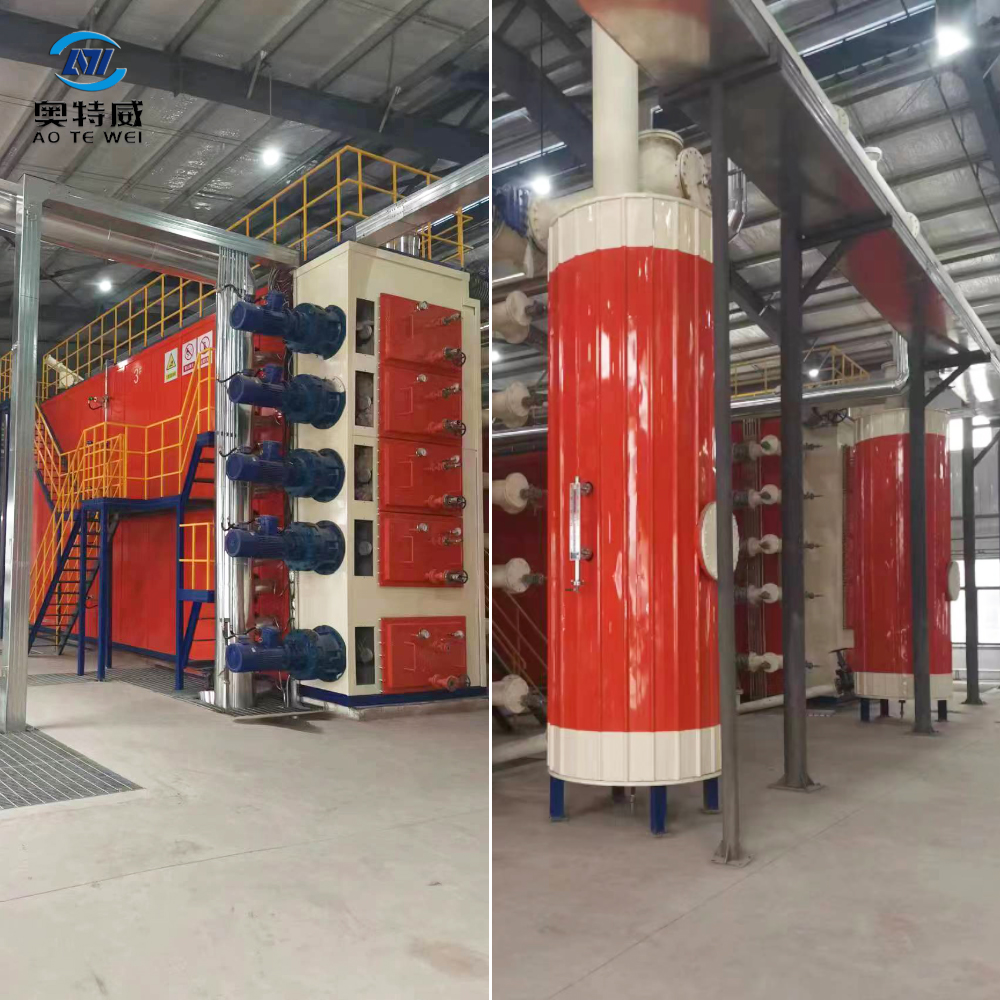
Key technological features of a batch pyrolysis reactor include advanced temperature control systems, efficient heat transfer mechanisms, and integrated condensation units for vapor recovery. The reactor vessel, typically constructed from heat-resistant steel alloys, maintains structural integrity under extreme thermal stress. A well-designed batch pyrolysis reactor incorporates sophisticated monitoring equipment to track pressure, temperature, and gas composition throughout the pyrolysis cycle.
Applications for a batch pyrolysis reactor span multiple industries. Environmental companies utilize this batch pyrolysis reactor for waste management and resource recovery. Agricultural operations employ it for biomass conversion, while manufacturing facilities use it for producing alternative fuels and chemical feedstocks. The batch pyrolysis reactor also supports circular economy initiatives by converting end-of-life materials into commercially viable products, making it an environmentally responsible solution for sustainable resource management and industrial waste reduction.