plastic pyrolysis reactor
A plastic pyrolysis reactor is an advanced thermal processing system designed to convert waste plastic materials into valuable energy and chemical products. This innovative equipment operates through controlled heating in an oxygen-free environment, breaking down polymer chains into smaller hydrocarbon molecules. The plastic pyrolysis reactor represents a sustainable solution for managing plastic waste while generating useful resources.
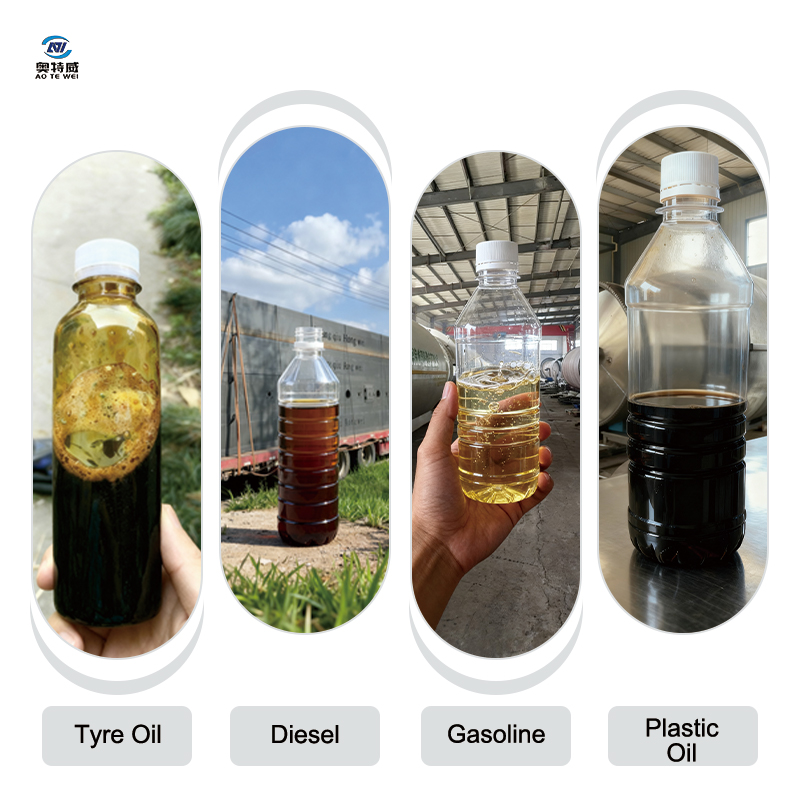
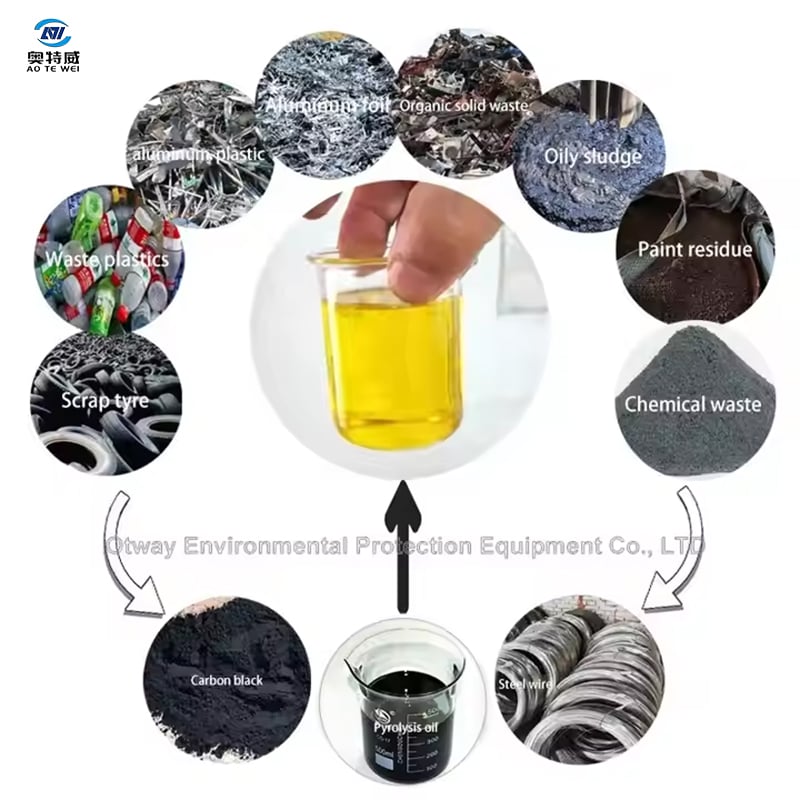
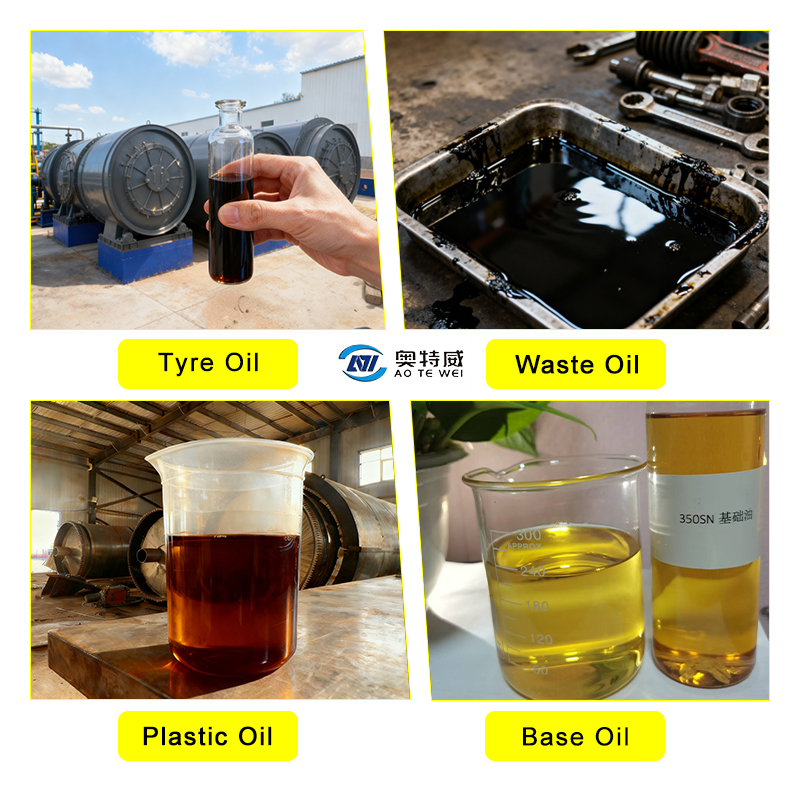
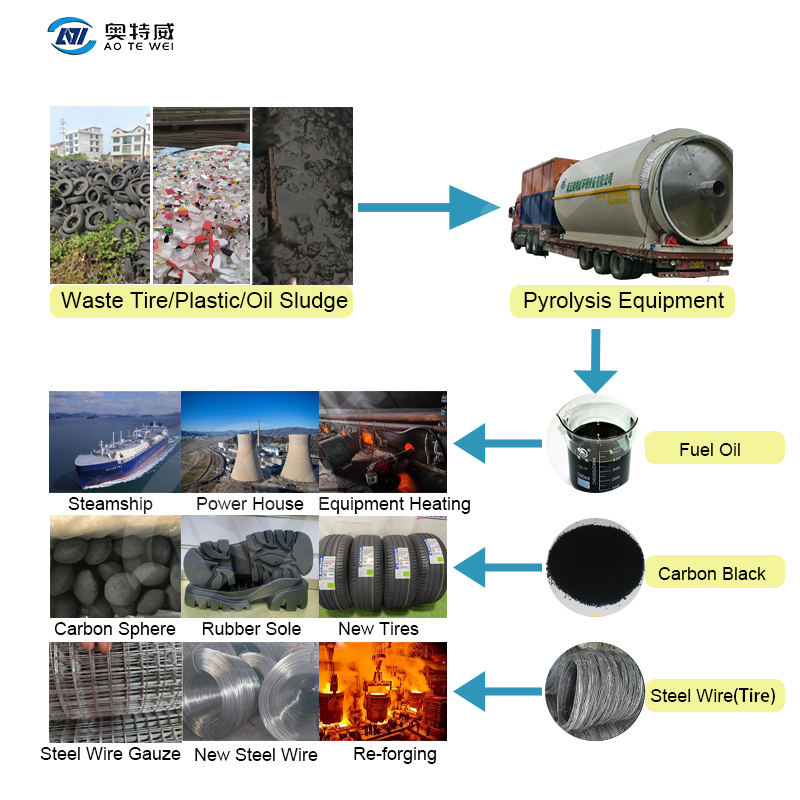
The primary function of a plastic pyrolysis reactor is to thermally decompose various plastic types, including polyethylene, polypropylene, and polystyrene, into pyrolysis oil, gases, and char. This process occurs at temperatures typically between 400-800°C, depending on the specific plastic pyrolysis reactor design and feedstock composition.
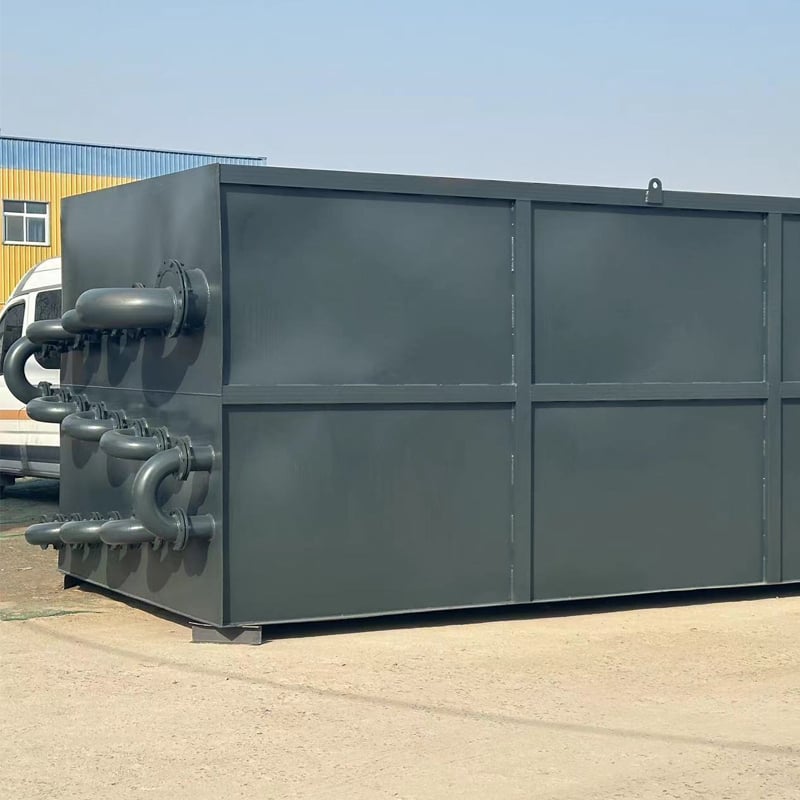
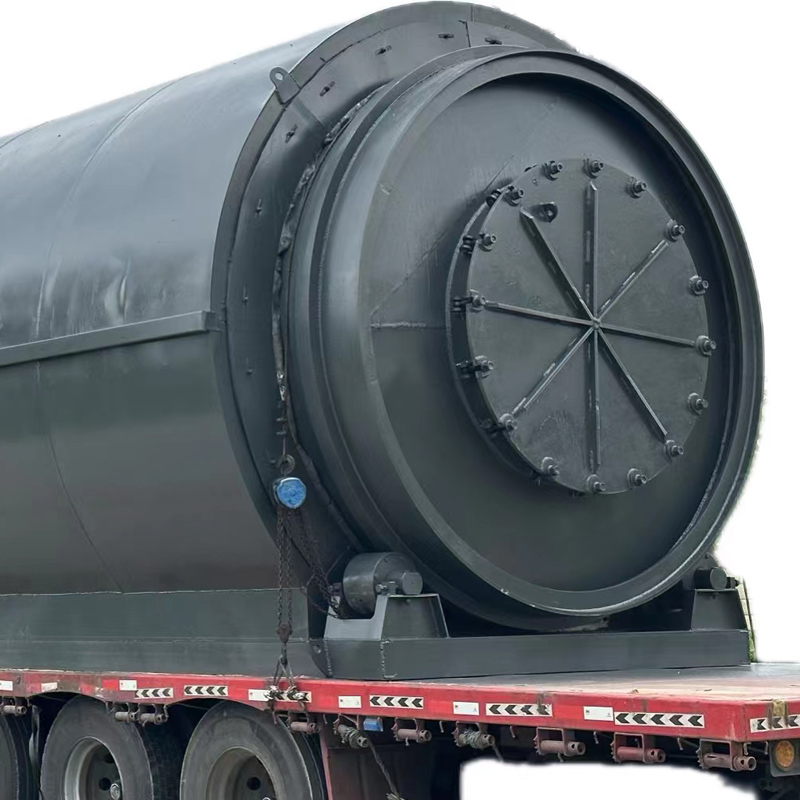
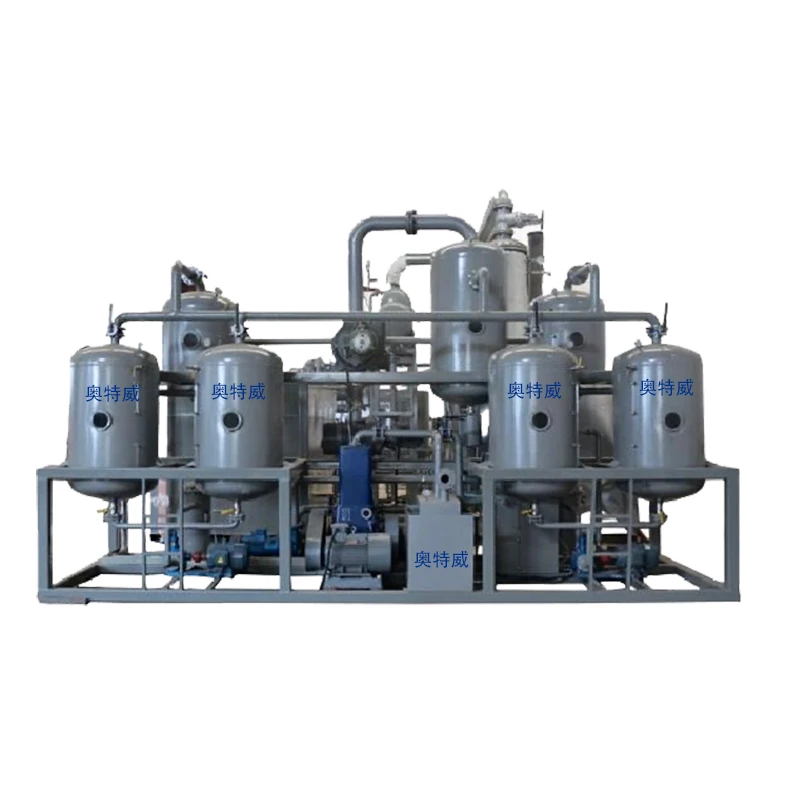
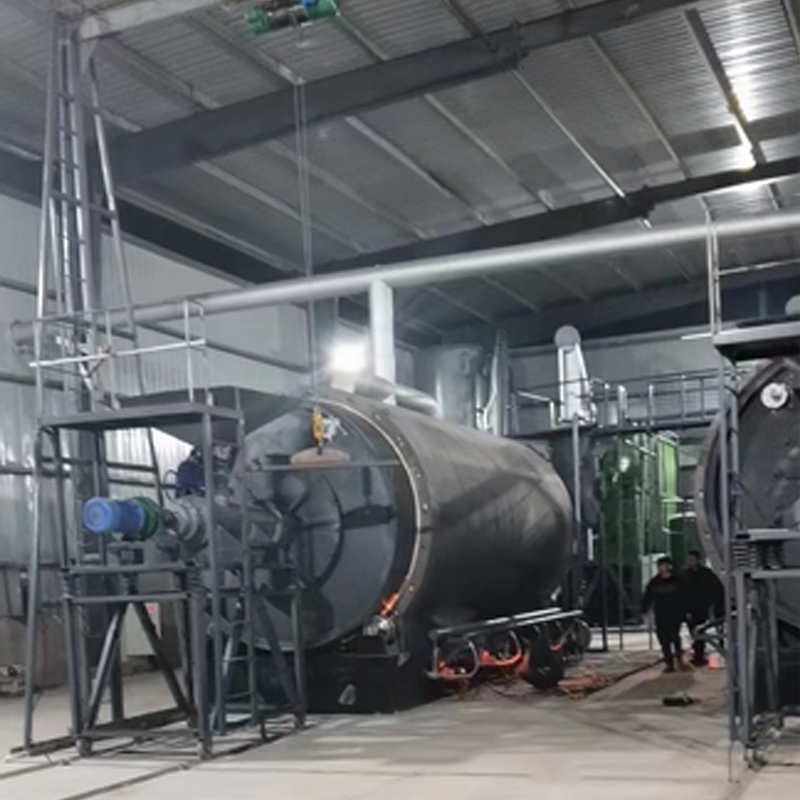
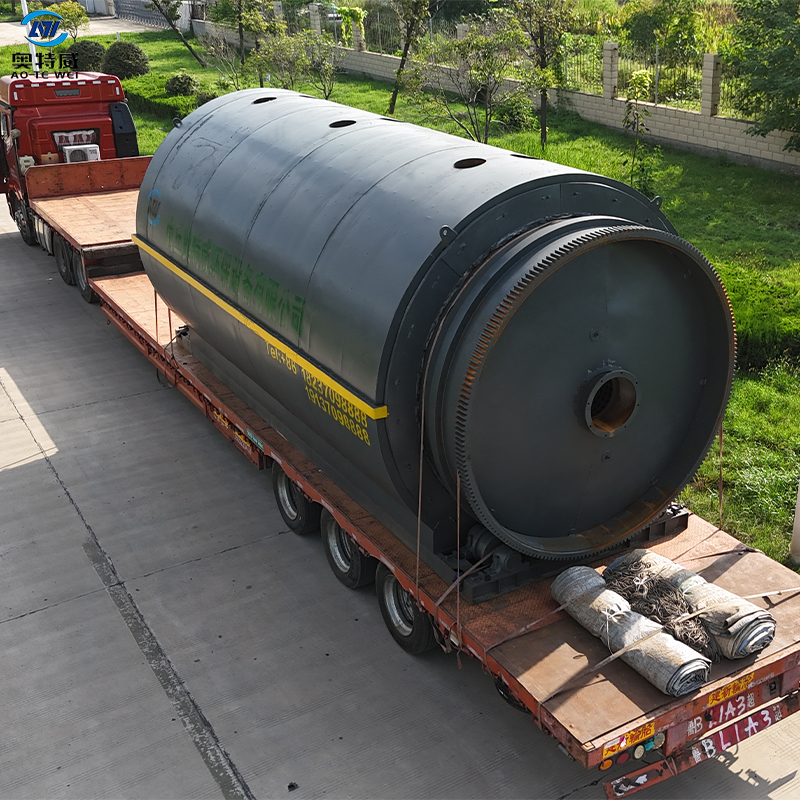
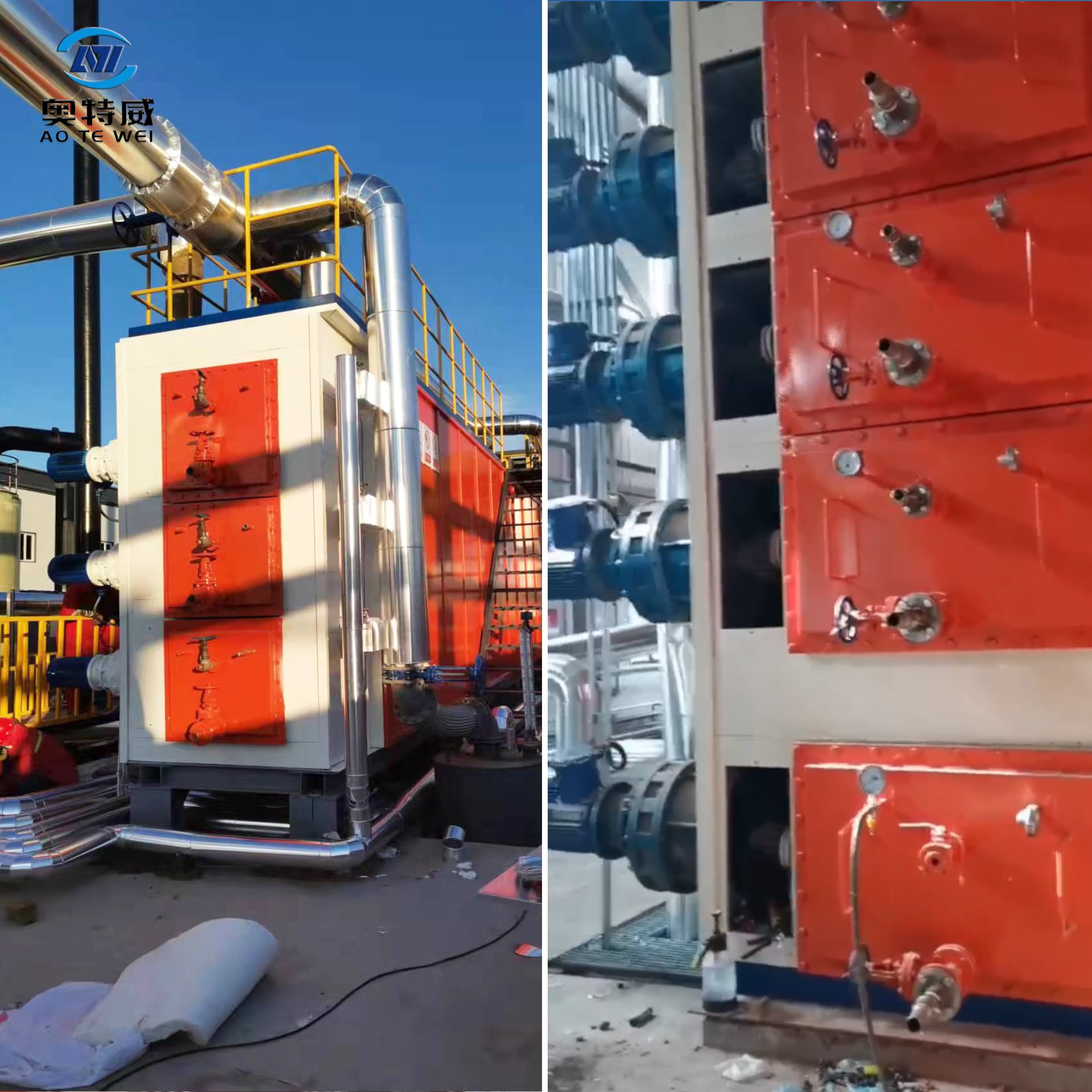
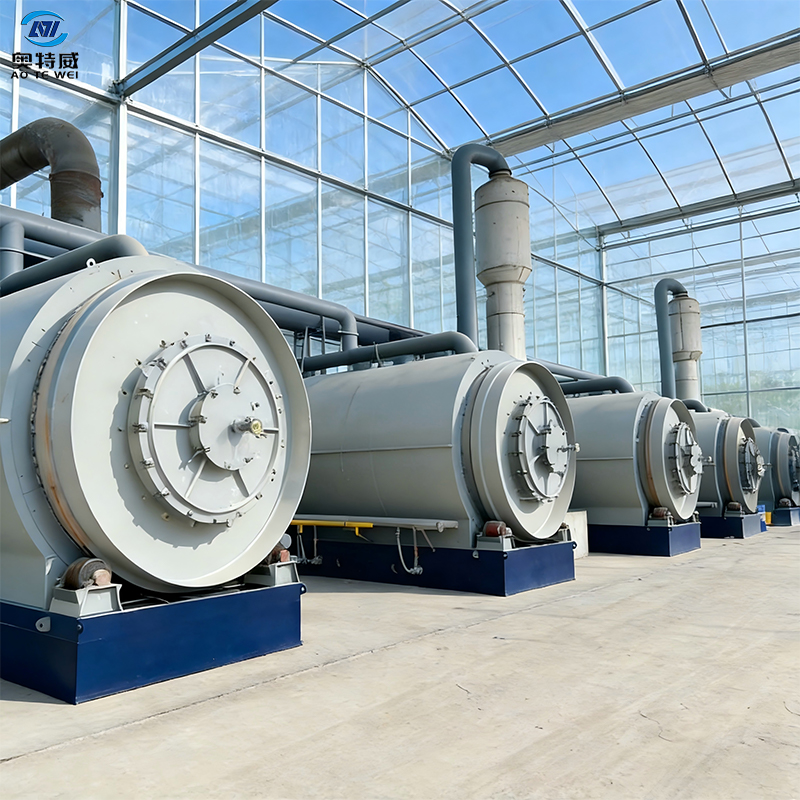
Key technological features of a modern plastic pyrolysis reactor include automated temperature control systems, continuous or batch processing capabilities, and advanced cooling mechanisms. These reactors incorporate heat recovery systems that maximize energy efficiency. The plastic pyrolysis reactor design typically includes a rotating drum or fixed chamber equipped with indirect heating or direct flame technology.
Applications for plastic pyrolysis reactor technology span multiple industries. Manufacturing facilities use these systems to process post-consumer plastics and industrial scrap. Energy companies utilize plastic pyrolysis reactors to produce alternative fuels for power generation. Chemical manufacturers process pyrolysis oil into feedstock for new plastic production, creating a circular economy. Waste management facilities operate plastic pyrolysis reactors to reduce landfill burden while recovering economic value from discarded materials. The versatility of plastic pyrolysis reactor systems makes them essential for modern waste-to-resource operations.