distillation of pyrolysis oil
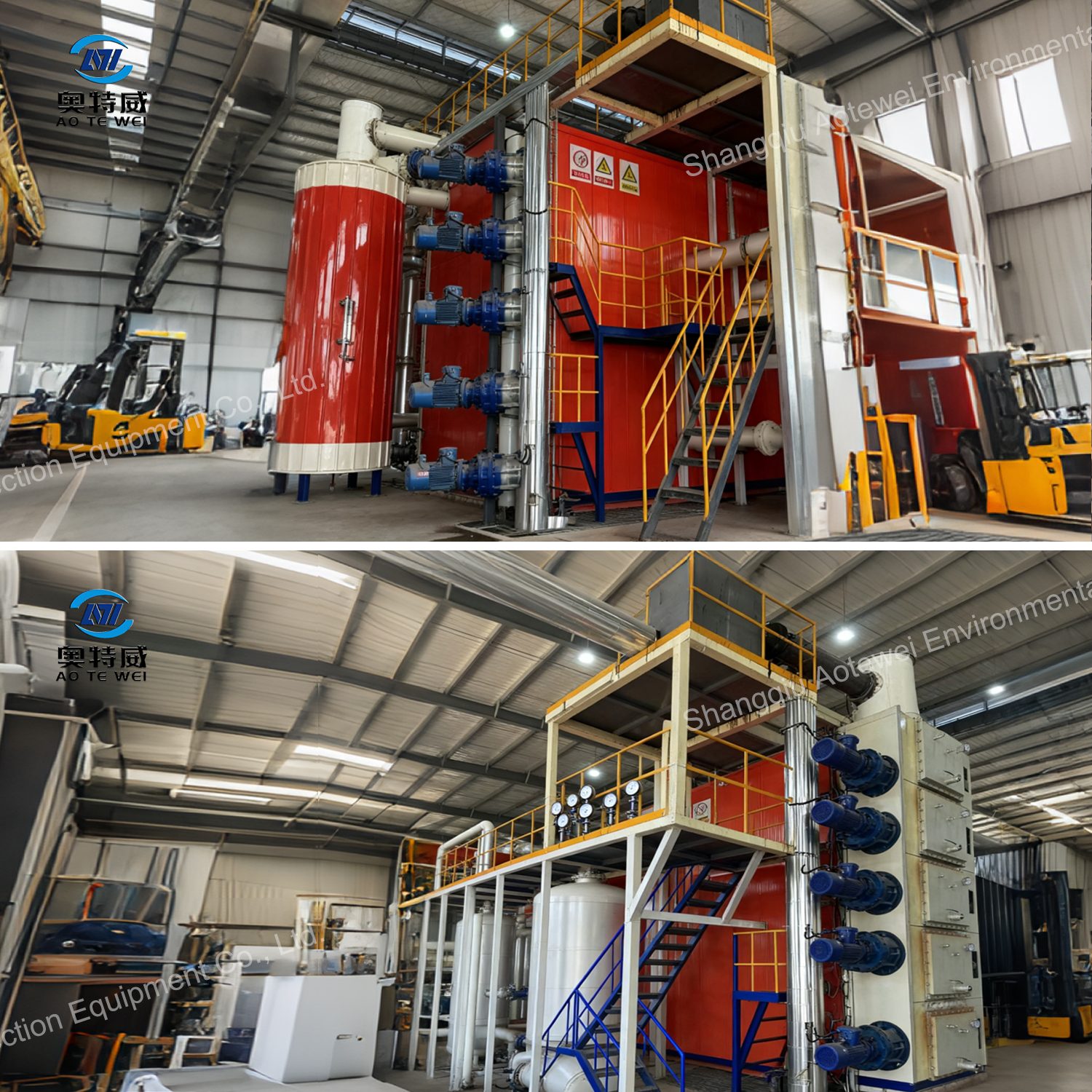
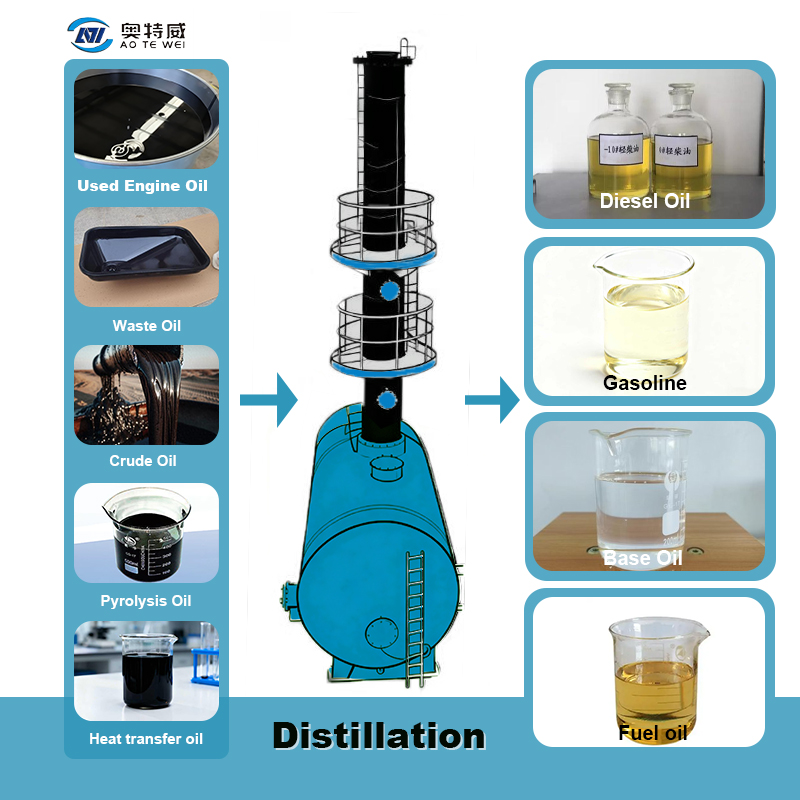
The distillation of pyrolysis oil represents a crucial refining process that transforms raw pyrolysis oil into valuable fuel products and chemical feedstocks. This advanced separation technique utilizes heat and pressure to fractionate complex hydrocarbon mixtures into distinct product streams with specific boiling ranges and properties. The distillation of pyrolysis oil serves multiple essential functions in modern waste-to-energy and circular economy applications.
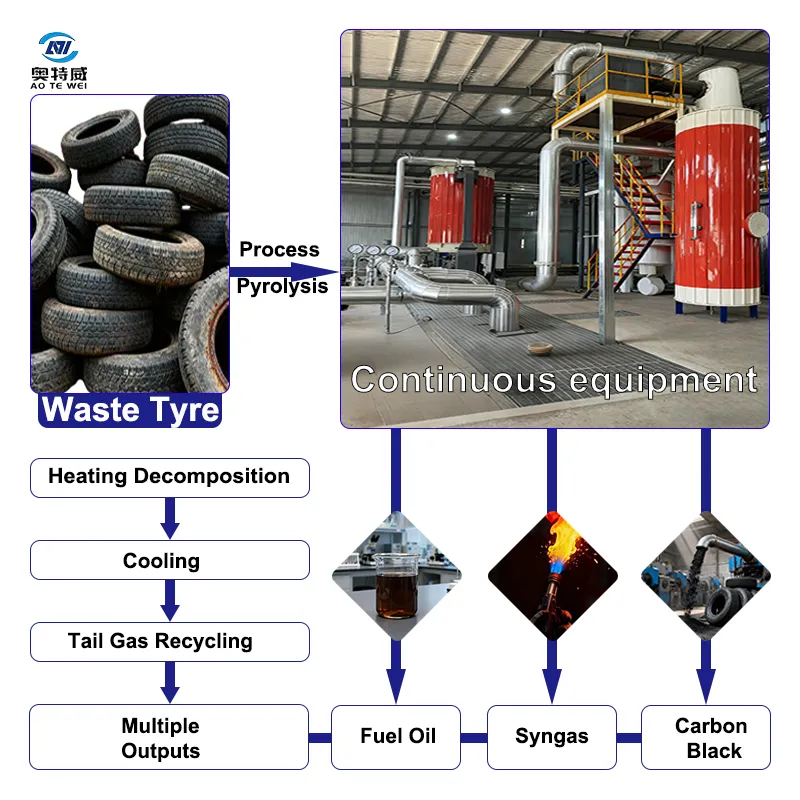
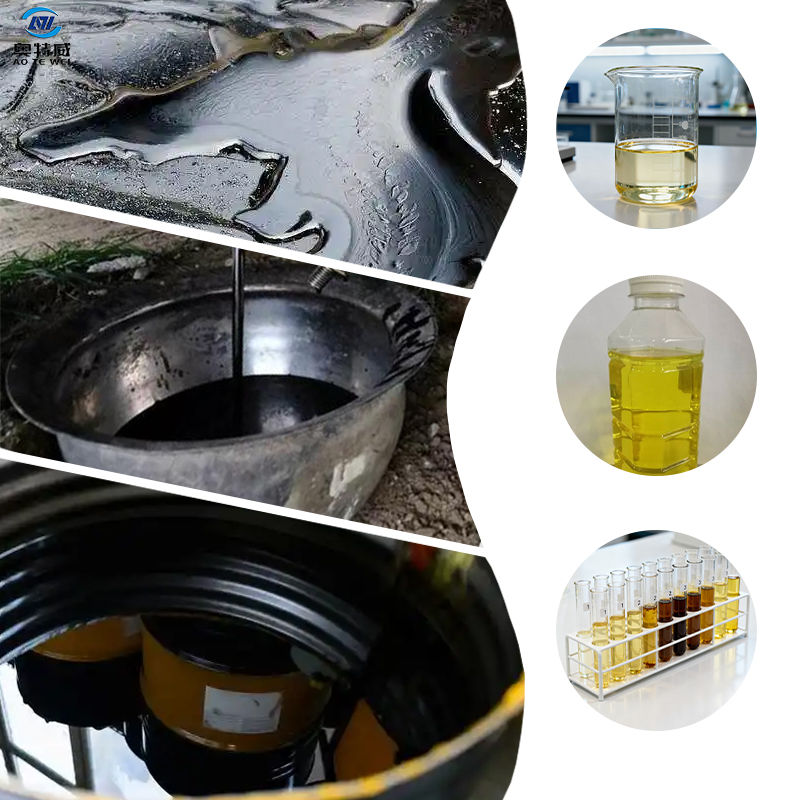
Pyrolysis oil, produced from thermal decomposition of organic materials like plastic waste and biomass, contains numerous hydrocarbons requiring refinement. The distillation of pyrolysis oil separates these components into lighter fractions suitable for fuel applications and heavier cuts for chemical manufacturing. This technological process employs fractional distillation columns that operate at elevated temperatures, typically between 200-400°C, enabling efficient separation based on molecular weight and boiling point differences.
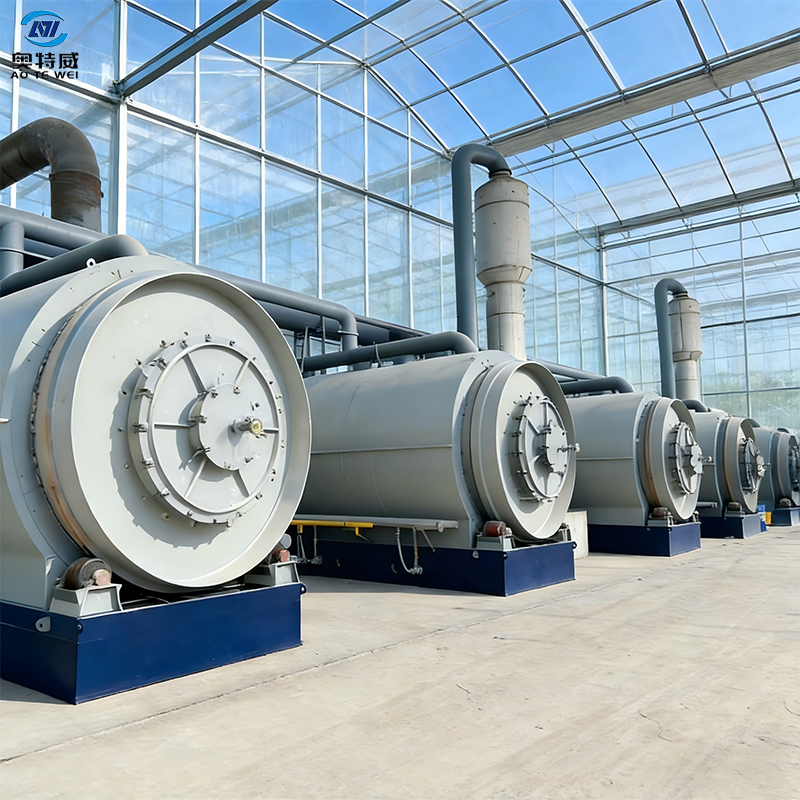
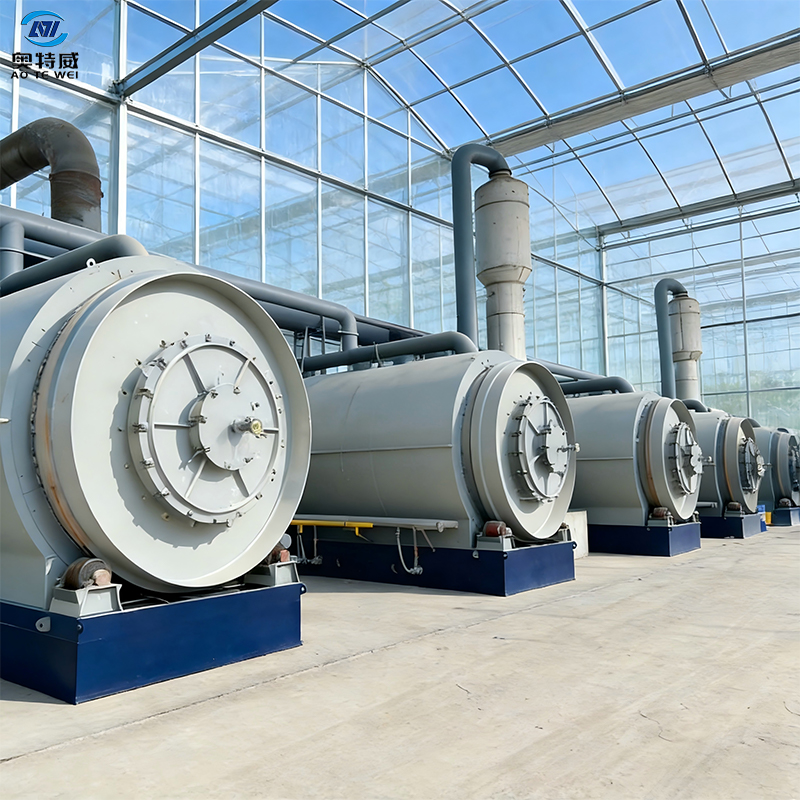
Key technological features include vacuum distillation capabilities for heat-sensitive components, atmospheric pressure operations for robust fractions, and sophisticated temperature control systems maintaining precise conditions. Modern distillation of pyrolysis oil facilities integrate advanced monitoring equipment and automated controls ensuring consistent product quality and safety compliance.
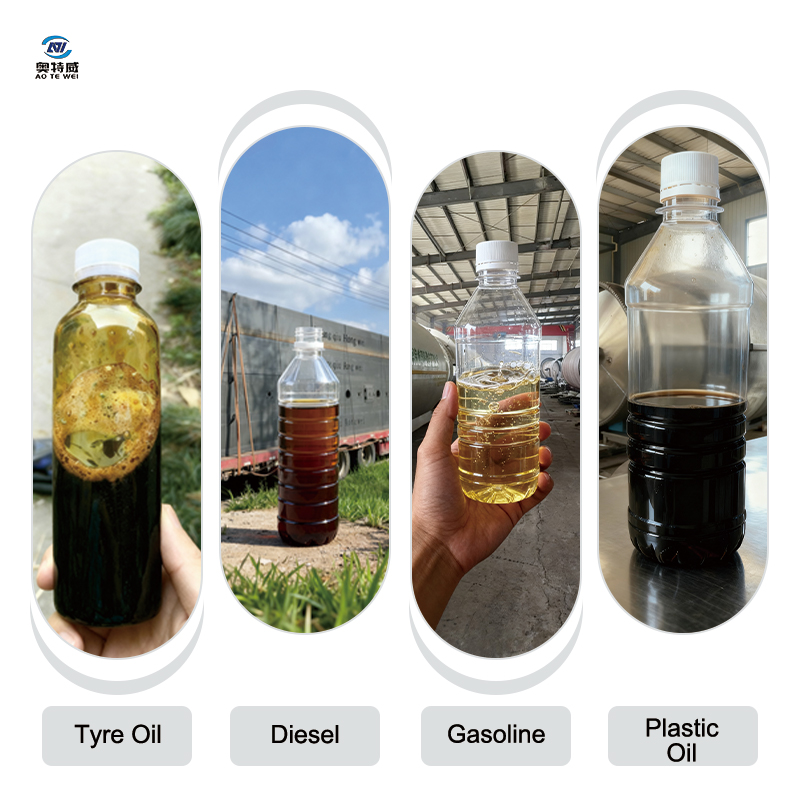
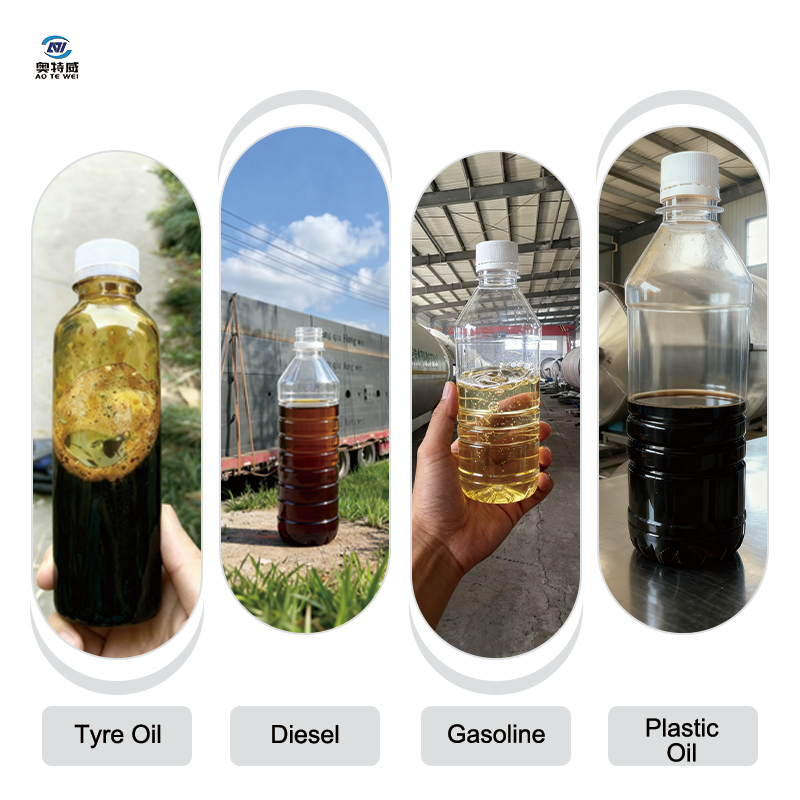
Applications span multiple industries: fuel production including diesel and gasoline-range products, petrochemical manufacturing, and specialty chemical synthesis. The distillation of pyrolysis oil enables businesses to recover valuable resources from waste streams, reduce landfill dependency, and create sustainable alternatives to conventional petroleum products. This refining process proves essential for companies pursuing circular economy strategies and environmental sustainability goals while maintaining economic viability and operational efficiency.