Oily Sludge Treatment System Solutions

Get a Free Quote

Our representative will contact you soon.
Email
WhatsApp / Mobile
Name
Company Name
Message
0/1000

oily sludge treatment system

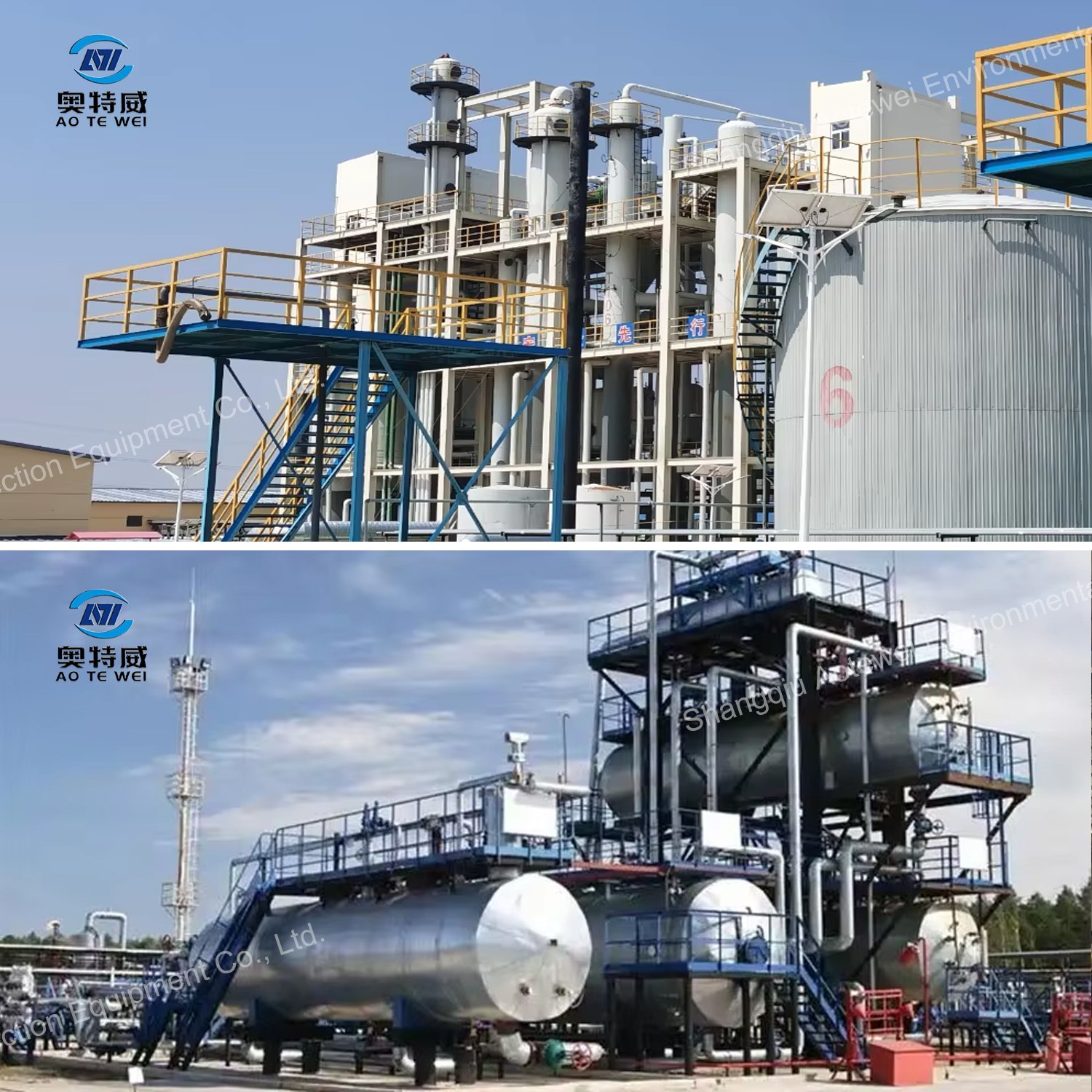
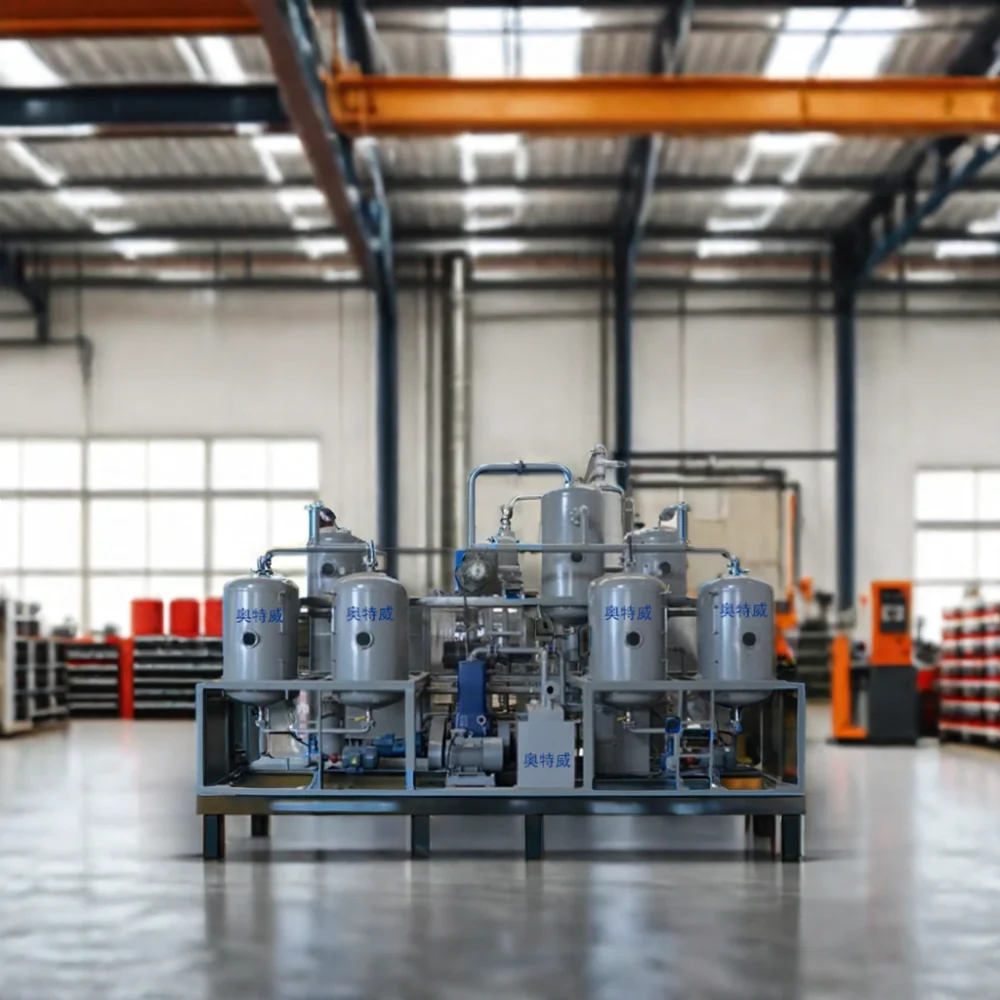
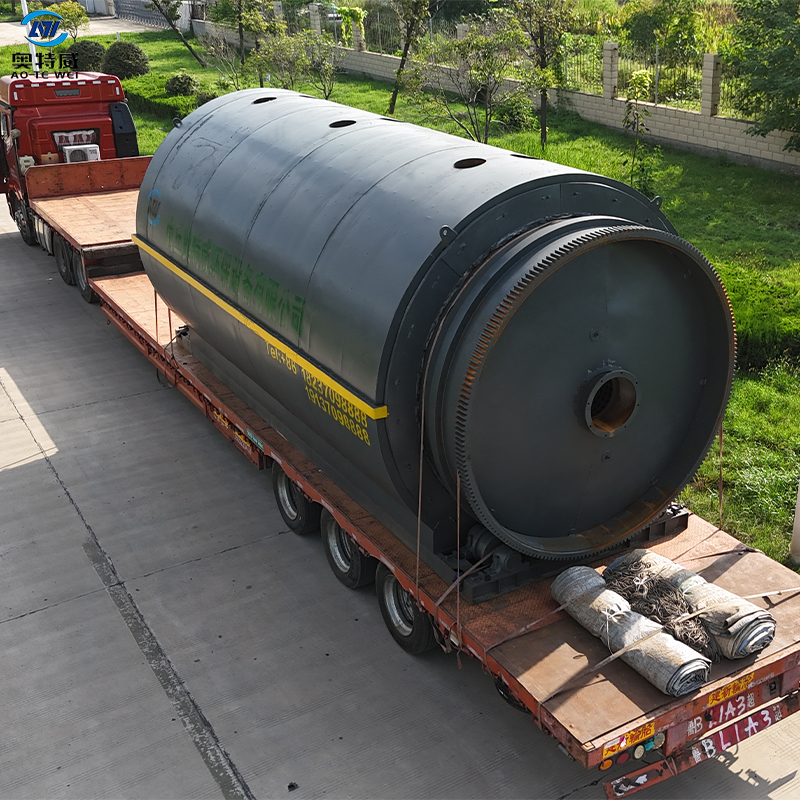
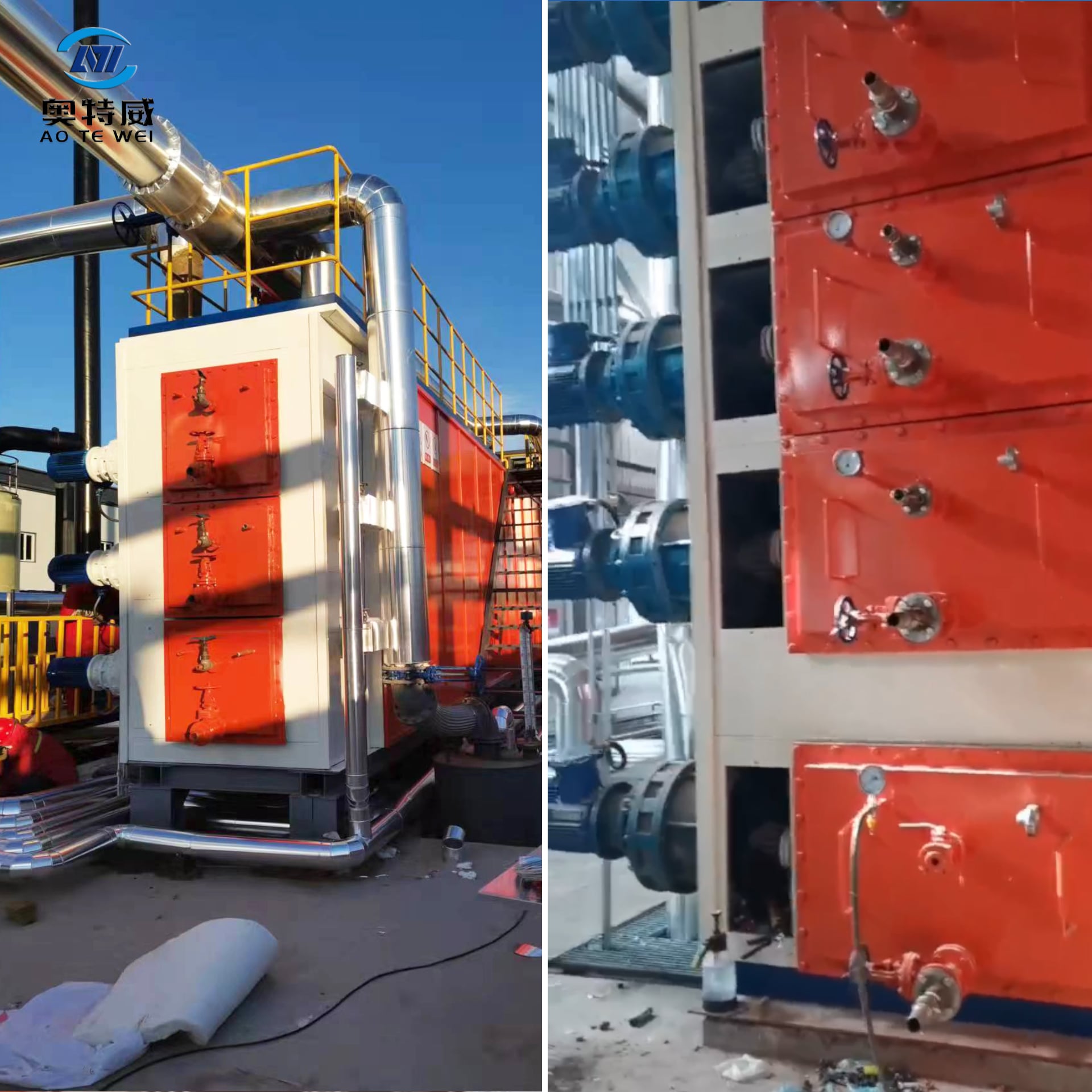
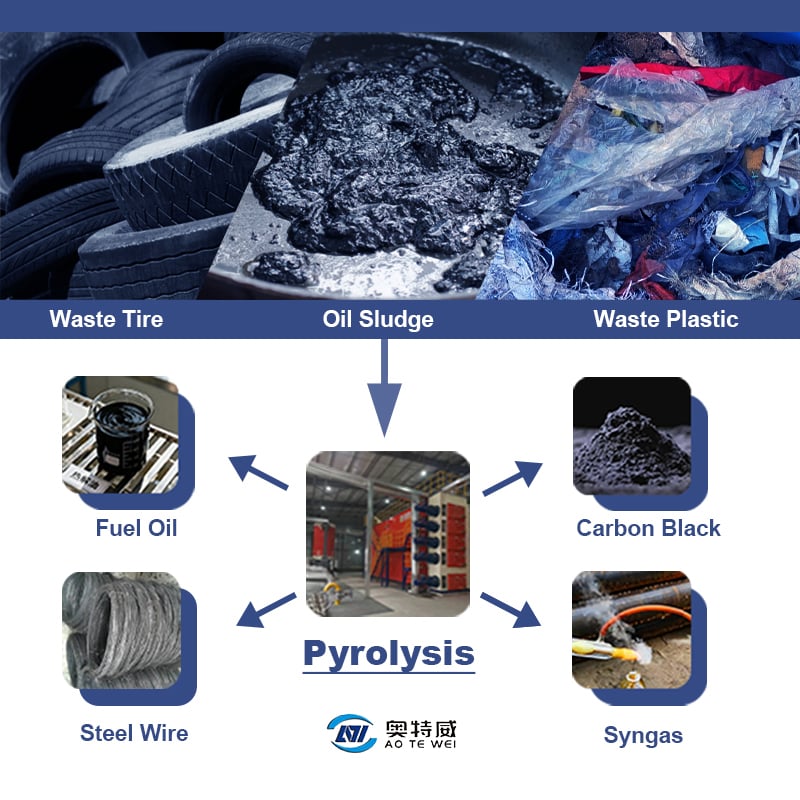
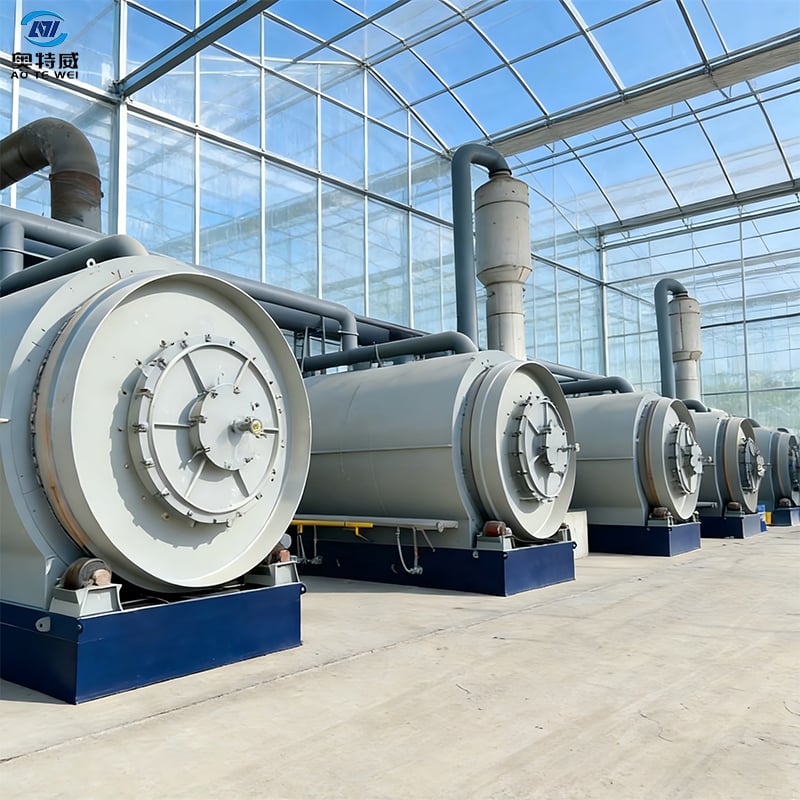
An oily sludge treatment system represents a comprehensive solution designed to manage and process oily waste materials efficiently. This specialized equipment handles the separation, treatment, and recovery of valuable materials from oily sludge, which commonly originates from petroleum refineries, oil drilling operations, petrochemical facilities, and industrial manufacturing plants. The oily sludge treatment system operates through advanced mechanical and chemical processes that effectively separate oil, water, and solid components. The primary functions of an oily sludge treatment system include solid-liquid separation, oil recovery, and waste volume reduction. The technological features incorporate centrifugal separation, thermal treatment, and chemical additives to maximize efficiency. Modern oily sludge treatment systems utilize automated control systems and real-time monitoring capabilities to optimize performance while minimizing operational complexity. Applications for the oily sludge treatment system span multiple industries, including offshore oil production, onshore petroleum operations, marine vessel maintenance, and industrial waste management facilities. The system proves invaluable in environmental remediation projects where contaminated sludge requires safe disposal or resource recovery. Industries implementing an oily sludge treatment system benefit from reduced waste disposal costs, improved environmental compliance, and enhanced operational sustainability. The versatility of oily sludge treatment system technology makes it essential for organizations committed to responsible waste management and resource optimization in petroleum and manufacturing sectors.
New Product Releases

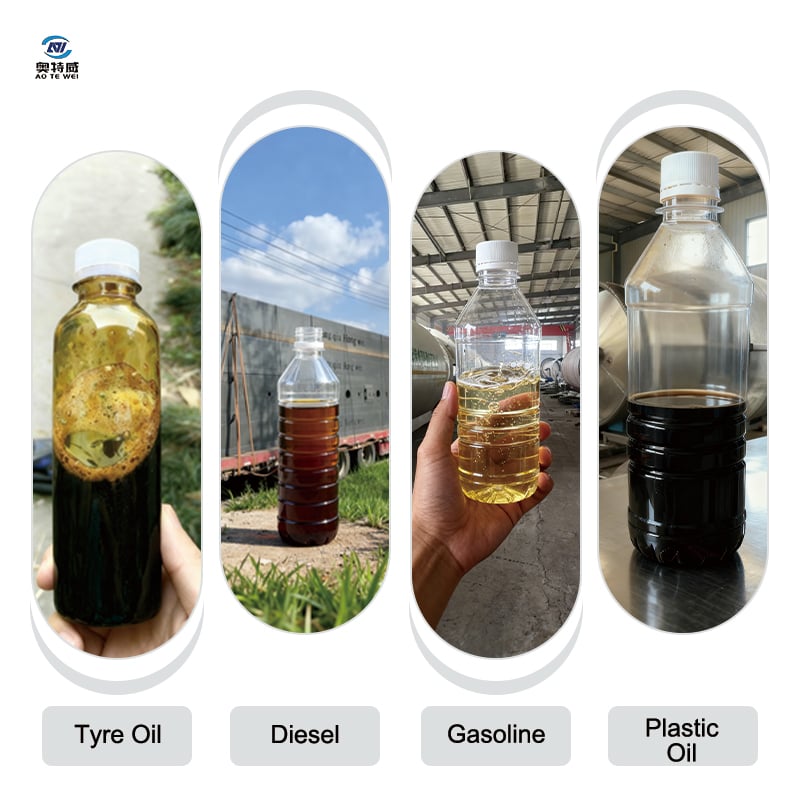
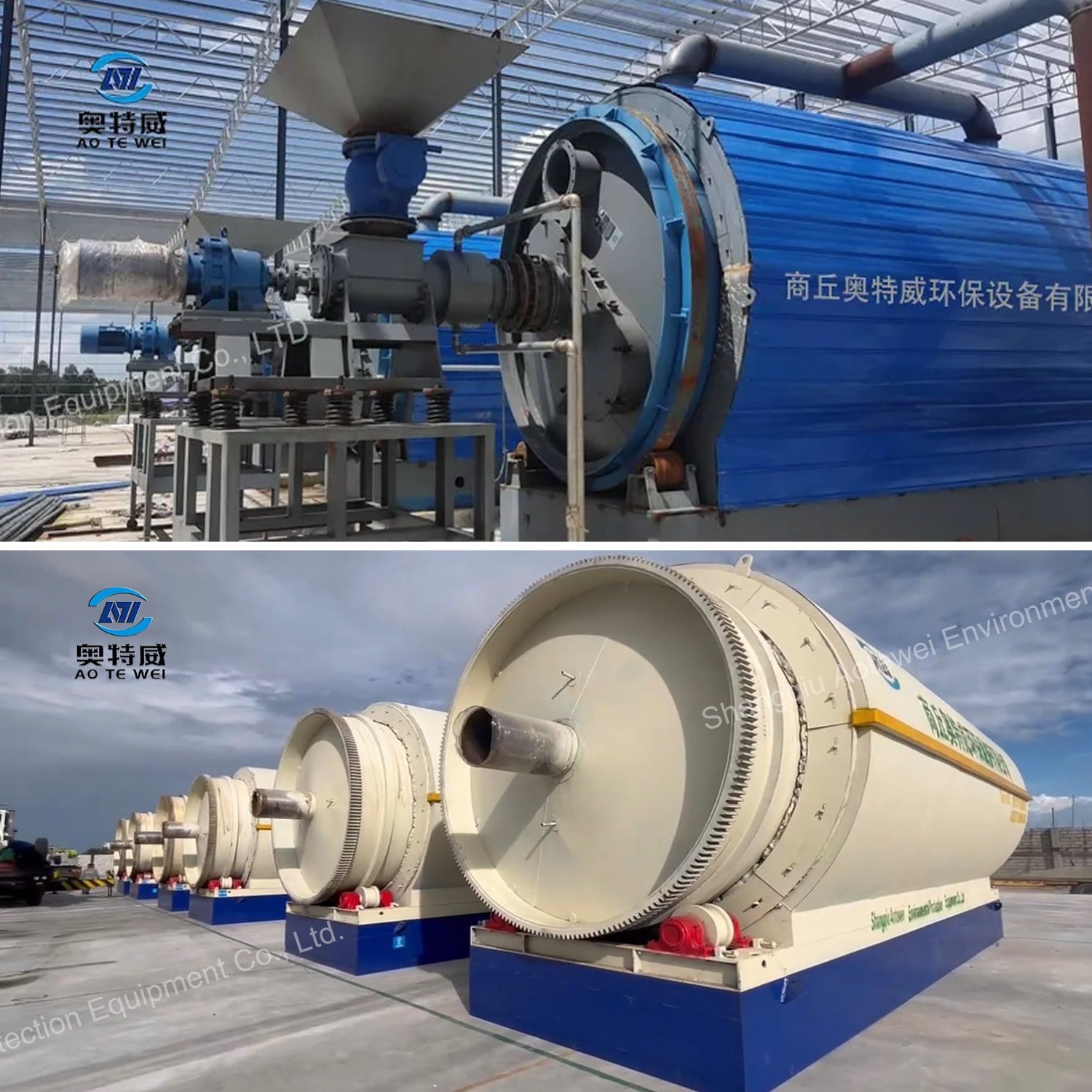
An oily sludge treatment system delivers transformative operational and financial benefits for organizations managing petroleum waste streams. The most significant advantage lies in cost reduction, as this system dramatically decreases disposal expenses by recovering valuable oil and recyclable materials from waste sludge. Instead of paying premium rates for hazardous waste disposal, businesses extract usable products, turning environmental liabilities into revenue-generating opportunities. Operationally, the oily sludge treatment system enhances facility efficiency by automating the separation process, reducing manual labor requirements and processing time. Facilities experience improved workflow consistency and predictable treatment cycles, enabling better production planning and resource allocation. The system minimizes equipment downtime through reliable performance and straightforward maintenance procedures. Environmental compliance represents another crucial benefit. An oily sludge treatment system helps organizations meet stringent regulatory requirements by properly treating contaminated materials, reducing landfill dependency, and preventing soil and water contamination. This positions companies as environmentally responsible operators, strengthening their market reputation and stakeholder relationships. The application suitability of an oily sludge treatment system extends across diverse industrial contexts, from offshore drilling platforms to refinery operations and manufacturing facilities. Its adaptability to different sludge compositions and treatment volumes makes it appropriate for organizations of varying sizes and operational scales. Decision-useful product context demonstrates that investing in an oily sludge treatment system provides rapid return on investment through eliminated disposal fees, recovered material sales, and reduced regulatory penalties. Organizations gain competitive advantages through sustainable practices and operational cost optimization, making this system a strategic investment for long-term profitability.

Tips And Tricks

How does rubber recycling improve material reuse in manufacturing industries?

01

Sep

How does rubber recycling improve material reuse in manufacturing industries?

Rubber recycling represents one of the most effective strategies for transforming industrial waste into valuable manufacturing resources. As manufacturing industries face increasing pressure to reduce environmental footprints and optimize material co...
View More
Why do recycling plants rely on pyrolysis reactor technology for energy recovery?

01

Sep

Why do recycling plants rely on pyrolysis reactor technology for energy recovery?

Modern recycling plants face mounting pressure to recover maximum value from waste streams while maintaining environmental compliance. The pyrolysis reactor has emerged as a critical technology for achieving this balance, transforming discarded mater...
View More
What factors affect productivity in a distillation plant processing system?

30

Jul

What factors affect productivity in a distillation plant processing system?

A distillation plant is at the heart of many industrial refining operations, converting used engine oil, pyrolysis oil, and other feedstocks into valuable diesel fuel. Understanding what drives productivity in a distillation plant is essential for op...
View More
Why are manufacturers investing in plastic pyrolysis technology for sustainability?

30

Jul

Why are manufacturers investing in plastic pyrolysis technology for sustainability?

Across the global manufacturing sector, plastic pyrolysis has rapidly moved from a niche concept to a strategic priority. As regulatory pressure on plastic waste intensifies and corporate sustainability commitments become binding targets, manufacture...
View More

Get a Free Quote

Our representative will contact you soon.
Email
WhatsApp / Mobile
Name
Company Name
Message
0/1000

oily sludge treatment system

Advanced Separation Technology

Advanced Separation Technology

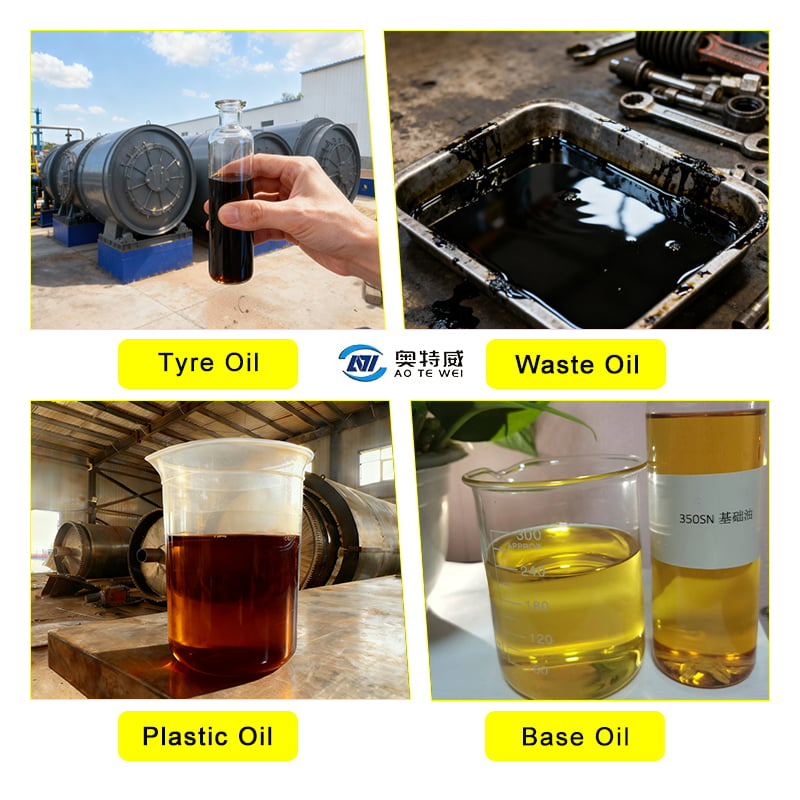
The oily sludge treatment system employs cutting-edge centrifugal and thermal separation technologies that maximize material recovery rates. This advanced technology achieves superior separation efficiency compared to conventional methods, extracting oil, water, and solid materials with exceptional precision. The oily sludge treatment system utilizes multiple stages of processing to ensure comprehensive treatment and minimal waste residue. The technological sophistication enables consistent performance across varying sludge compositions, adapting automatically to different material properties and contamination levels. Organizations benefit from higher recovery percentages, translating directly into increased profitability and reduced disposal expenses. The precise separation capability of the oily sludge treatment system ensures that recovered oils meet quality standards for resale or reuse, creating additional revenue streams while maintaining environmental responsibility.
Automated Operations and Monitoring

Automated Operations and Monitoring

Modern oily sludge treatment system designs integrate sophisticated automation and real-time monitoring capabilities that simplify complex treatment processes. Operators can manage the entire oily sludge treatment system remotely through digital control panels, receiving continuous performance data and system alerts. The automated features reduce human intervention requirements, minimizing operational errors and improving safety conditions for plant personnel. Real-time analytics provide valuable insights into treatment efficiency, material composition, and system health, enabling proactive maintenance scheduling. The oily sludge treatment system automatically adjusts parameters based on incoming sludge characteristics, ensuring optimal performance without constant operator adjustment. This intelligent automation reduces skilled labor requirements while improving treatment consistency and reliability, allowing facilities to maintain continuous operations with minimal supervision.
Environmental Compliance and Sustainability

Environmental Compliance and Sustainability

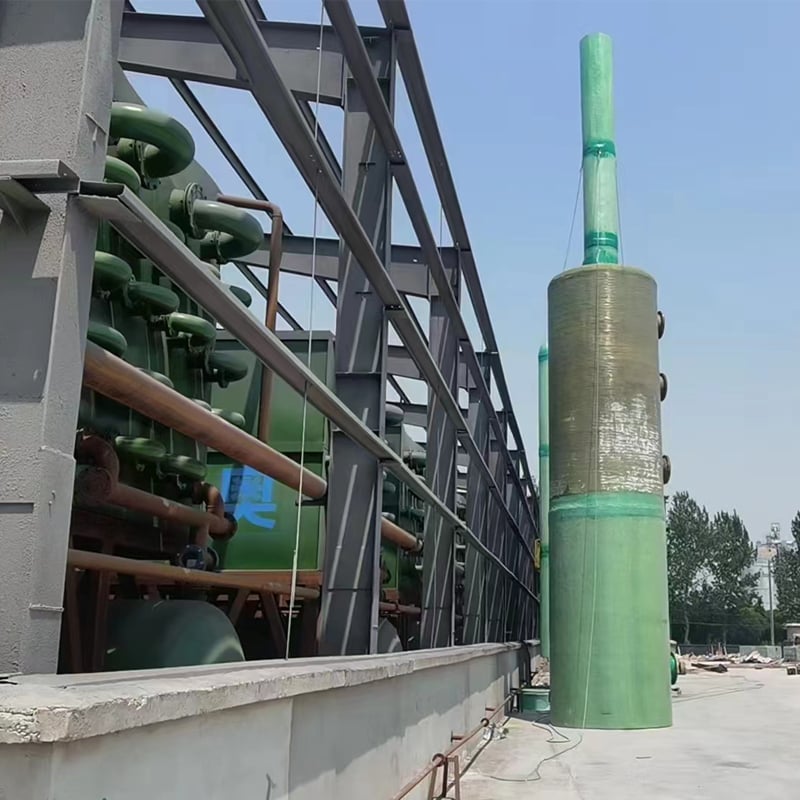
An oily sludge treatment system directly supports environmental protection objectives and regulatory compliance requirements. The system prevents harmful sludge materials from reaching landfills or contaminating natural ecosystems through proper treatment and containment. By implementing an oily sludge treatment system, organizations demonstrate commitment to sustainable practices, enhancing corporate environmental responsibility credentials. The treatment process recovers valuable materials, reducing resource consumption and promoting circular economy principles within industrial operations. Compliance features integrated throughout the oily sludge treatment system ensure adherence to environmental regulations, protecting facilities from substantial fines and operational restrictions. Stakeholders, including regulatory agencies, environmental groups, and community members, recognize organizations utilizing modern treatment technology as responsible industrial operators, strengthening social license to operate and market positioning.

Get a Free Quote

Our representative will contact you soon.
Email
WhatsApp / Mobile
Name
Company Name
Message
0/1000
Newsletter
Please Leave A Message With Us