Oil Garbage Disposal Systems: Advanced Waste Management Solutions for Industrial and Commercial Use

Get a Free Quote

Our representative will contact you soon.
Email
WhatsApp / Mobile
Name
Company Name
Message
0/1000

oil garbage disposal

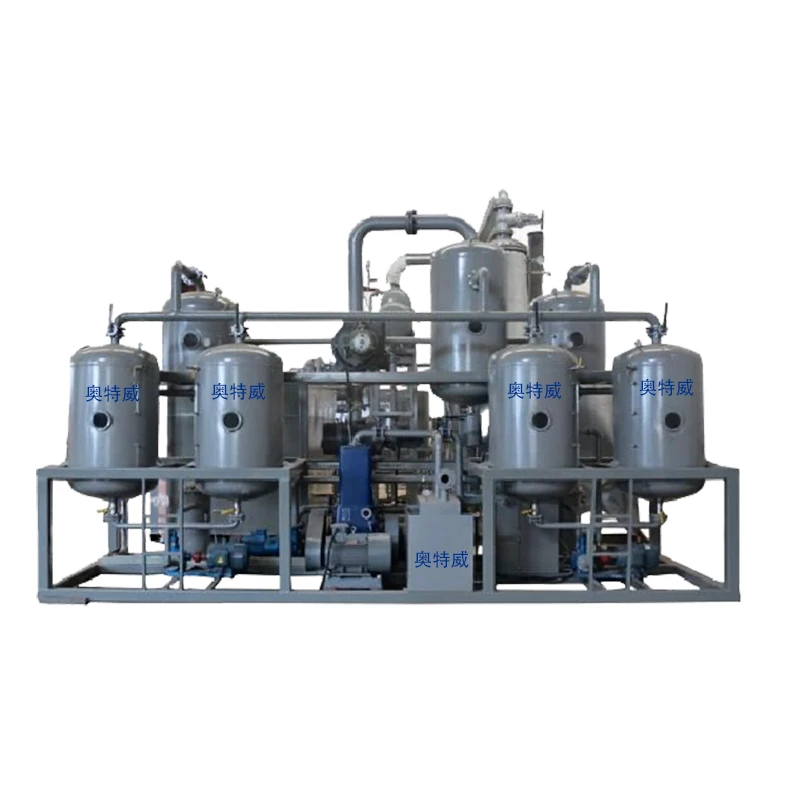
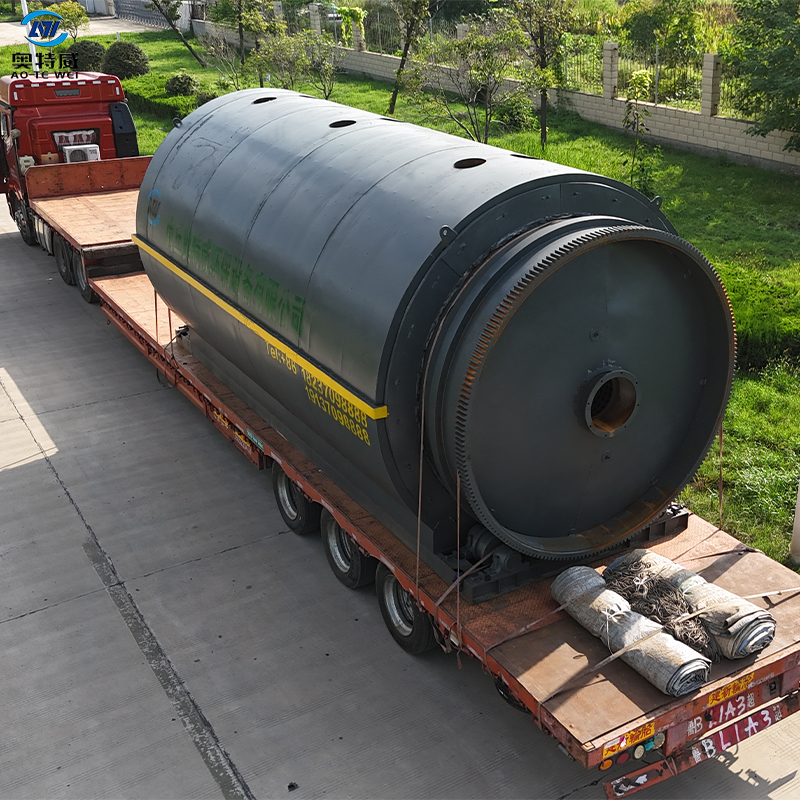
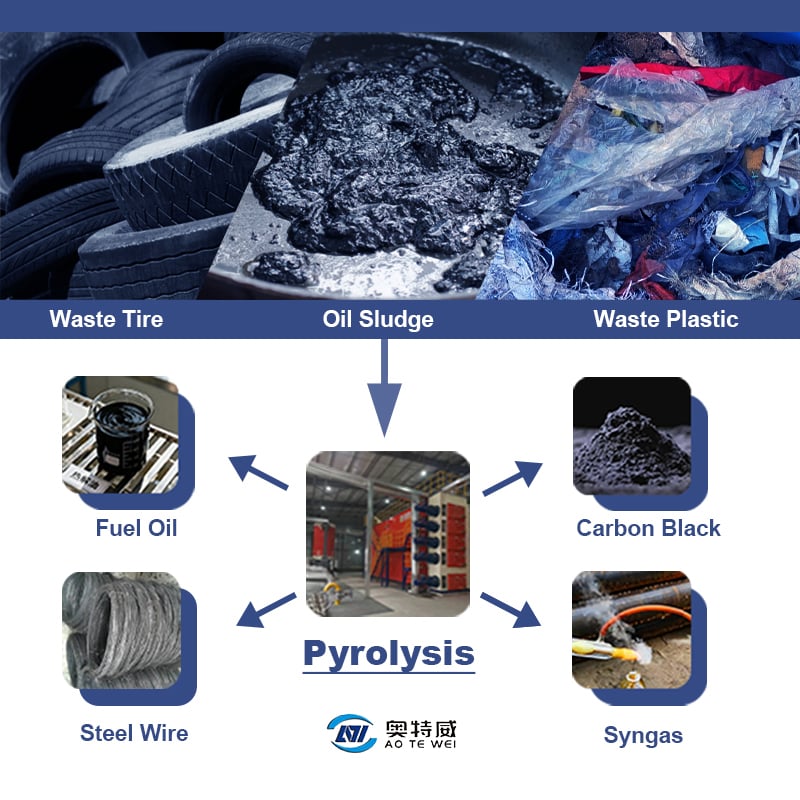
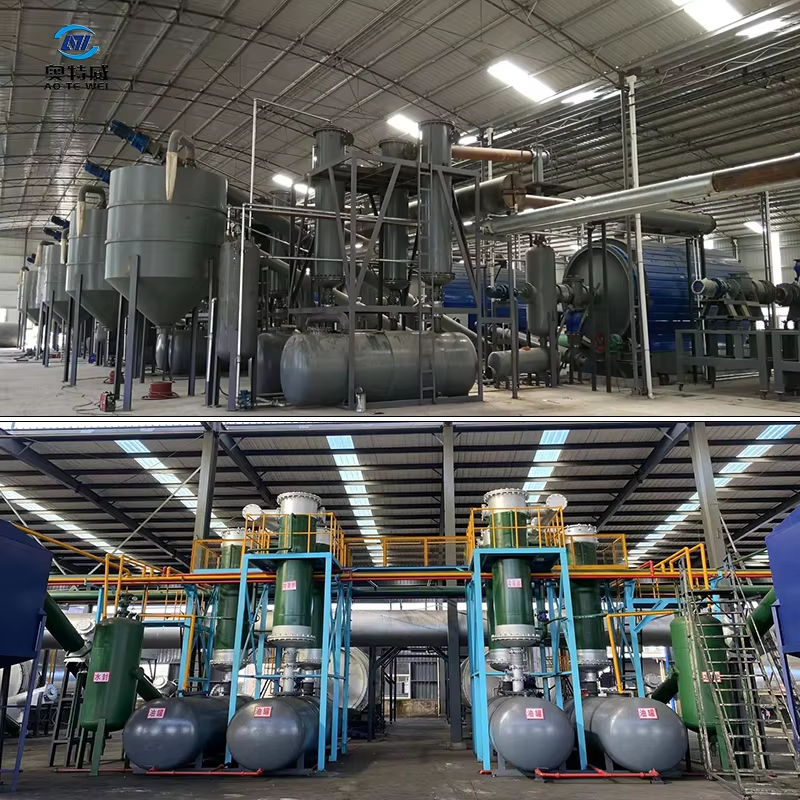
The oil garbage disposal is a specialized waste management system engineered to handle the complex challenges of oil-contaminated waste streams across industrial, commercial, and municipal environments. Unlike conventional waste disposal units, the oil garbage disposal integrates advanced separation, filtration, and processing technologies to safely break down and manage waste materials that contain petroleum-based substances, cooking oils, lubricants, and other hydrocarbon compounds. This makes it an indispensable tool for facilities that generate significant volumes of oily waste on a daily basis. At its core, the oil garbage disposal operates through a multi-stage processing mechanism. Incoming waste is first subjected to a primary separation phase, where solid particles are screened and removed from the liquid matrix. The remaining oil-water mixture then passes through a secondary treatment stage that employs centrifugal force, gravity separation, or membrane filtration, depending on the specific model and application. This layered approach ensures that oil is effectively isolated from water and solid waste, enabling each component to be processed, recycled, or disposed of in compliance with environmental regulations. Technologically, modern oil garbage disposal systems are equipped with smart monitoring sensors, automated control panels, and real-time data logging capabilities. These features allow operators to track processing efficiency, detect blockages or malfunctions early, and optimize energy consumption throughout the operation cycle. Many units also incorporate corrosion-resistant materials such as stainless steel and high-density polyethylene to extend service life even in harsh chemical environments. The applications of the oil garbage disposal span a wide range of industries. In the food service sector, it manages waste cooking oil and grease from commercial kitchens. In manufacturing and automotive industries, it handles used lubricants and metalworking fluids. Municipal wastewater treatment plants rely on it to pre-treat influent streams before biological processing. Offshore oil platforms and marine vessels use it to manage bilge water and oily sludge in accordance with international maritime regulations. The oil garbage disposal thus serves as a critical infrastructure component wherever oil-laden waste demands responsible, efficient, and regulation-compliant management.

New Product Releases

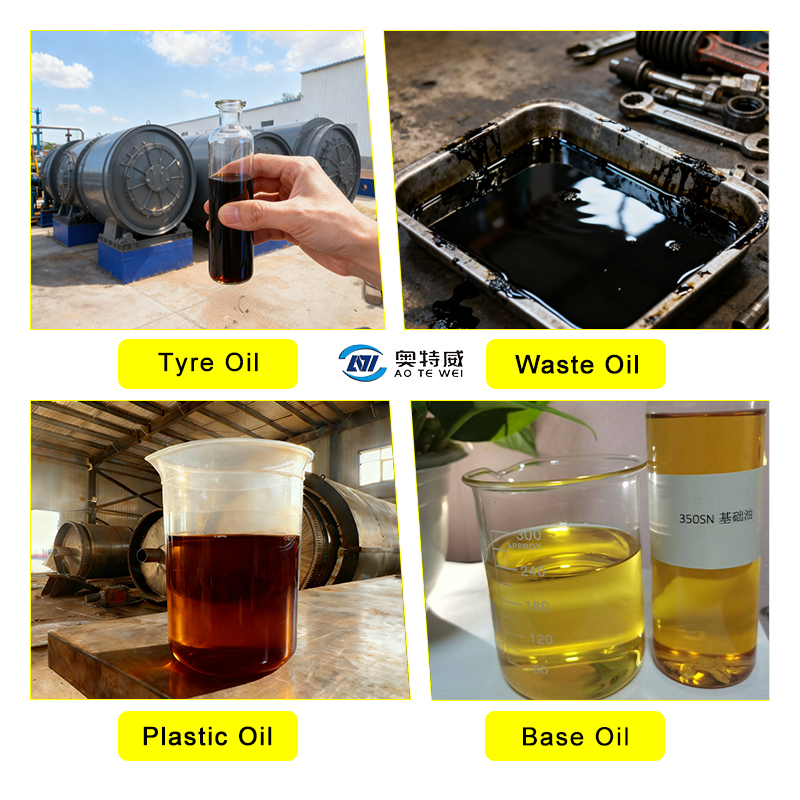
Choosing the right waste management solution can make a significant difference in how efficiently your facility operates, how much you spend on compliance, and how responsibly you handle your environmental footprint. The oil garbage disposal delivers on all three fronts, and it does so in ways that are immediately practical for the people who use it every day. First, the oil garbage disposal saves you money over time. Traditional waste disposal methods often require frequent contractor pickups, expensive chemical treatments, and ongoing manual labor to manage oily waste. With an oil garbage disposal system installed on-site, you reduce your dependence on third-party services. The unit processes waste continuously, which means you are not paying for emergency cleanouts or dealing with overflow situations that lead to costly regulatory fines. The return on investment becomes clear within the first year of operation for most facilities. Second, it keeps your team safer. Oily waste is a slip hazard, a fire risk, and a source of harmful vapors when left unmanaged. The oil garbage disposal contains and processes this waste at the point of generation, reducing the amount of time workers spend handling dangerous materials. Automated controls mean fewer manual interventions, and sealed processing chambers prevent exposure to toxic fumes. Your team can focus on productive work rather than managing hazardous cleanup situations. Third, the oil garbage disposal makes regulatory compliance straightforward. Environmental agencies impose strict limits on how oily waste can be stored, transported, and discharged. A properly functioning oil garbage disposal system produces output streams that meet or exceed these standards, giving you documentation and data logs that simplify reporting. You spend less time worrying about inspections and more time running your business. Fourth, it supports your sustainability goals. Recovered oil from the disposal process can often be recycled or converted into fuel, reducing the volume of waste sent to landfill and lowering your facility's overall carbon footprint. Water separated during processing can be treated and reused, cutting your utility costs further. Customers and partners increasingly evaluate businesses on their environmental practices, and operating an oil garbage disposal signals a genuine commitment to responsible resource management. Fifth, the system is built to scale with your needs. Whether you run a small commercial kitchen or a large industrial plant, oil garbage disposal units are available in configurations that match your waste volume and processing requirements. Modular designs allow you to expand capacity as your operation grows without replacing the entire system. Sixth, maintenance is simpler than you might expect. Modern oil garbage disposal units are designed with accessible components, self-cleaning cycles, and remote diagnostics that reduce downtime and keep your operation running smoothly. You do not need a specialized technician on-site at all times. The combination of cost savings, safety improvements, compliance support, sustainability benefits, scalability, and ease of maintenance makes the oil garbage disposal one of the most practical investments a waste-generating facility can make today.

Tips And Tricks

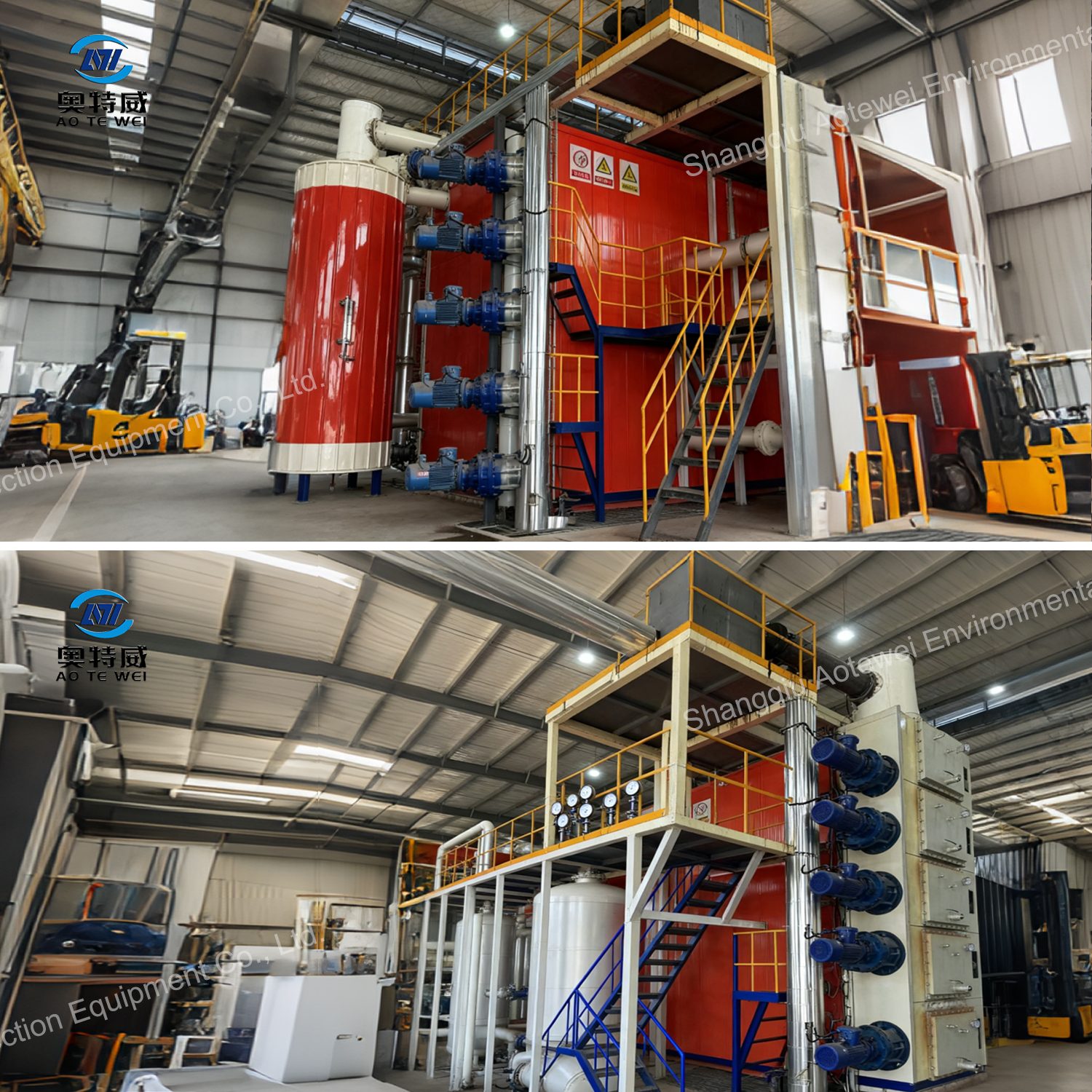
Company Updates Factory Audit Video | On-site Shooting of Aotewei Environmental Protection Equipment, Transparently Showing Manufacturing Strength

08

Apr

Company Updates Factory Audit Video | On-site Shooting of Aotewei Environmental Protection Equipment, Transparently Showing Manufacturing Strength

To further improve supply chain transparency and optimize the factory audit experience for domestic and overseas customers, Shangqiu Aotewei Environmental Protection Equipment Co., Ltd. has recently completed a comprehensive update of its factory aud...
View More

Get a Free Quote

Our representative will contact you soon.
Email
WhatsApp / Mobile
Name
Company Name
Message
0/1000

oil garbage disposal

Advanced Multi-Stage Separation Technology for Maximum Oil Recovery

Advanced Multi-Stage Separation Technology for Maximum Oil Recovery

One of the most compelling reasons to invest in an oil garbage disposal system is the sophistication of its separation technology. Unlike basic grease traps or simple settling tanks that rely solely on gravity and time, a modern oil garbage disposal employs a multi-stage separation process that dramatically increases the percentage of oil recovered from waste streams. This matters because every liter of oil that is successfully separated and recovered represents both a reduction in disposal costs and a potential source of recyclable material that can be sold or repurposed. The first stage of the separation process involves coarse screening, where large solid particles such as food scraps, packaging fragments, or industrial debris are physically removed from the incoming waste stream. This protects downstream components from damage and ensures that the separation equipment operates at peak efficiency. The second stage uses either centrifugal separation or gravity-assisted coalescence, depending on the system design, to pull oil droplets out of the water phase. Centrifugal systems spin the waste mixture at high speed, forcing denser water to the outside while lighter oil migrates to the center for extraction. Coalescence-based systems use specially designed media that cause tiny oil droplets to merge into larger ones, making them easier to skim off the surface. The third stage typically involves a polishing filter or membrane unit that captures any remaining oil traces, ensuring the final water discharge meets environmental discharge standards. Throughout this entire process, the oil garbage disposal operates with minimal human intervention. Automated sensors monitor the oil-water interface in real time and trigger extraction cycles precisely when needed, preventing oil from re-mixing with the water phase and compromising separation quality. For industrial facilities processing thousands of liters of oily waste per day, this level of precision translates directly into higher oil recovery rates, lower disposal volumes, and measurable cost reductions. The technology also adapts to varying waste compositions. Whether the incoming stream contains light cooking oils, heavy lubricants, or emulsified cutting fluids, the oil garbage disposal can be configured with the appropriate separation media and process parameters to handle the specific challenge. This versatility makes it a long-term asset rather than a single-purpose tool, delivering consistent performance as your waste profile evolves over time.
Smart Monitoring and Automated Control Systems That Reduce Operational Burden

Smart Monitoring and Automated Control Systems That Reduce Operational Burden

Managing waste processing equipment has historically required significant operator attention, from manually checking fluid levels to scheduling maintenance based on guesswork rather than actual system data. The oil garbage disposal changes this dynamic entirely through the integration of smart monitoring and automated control systems that take the guesswork out of daily operations. At the heart of this capability is a network of embedded sensors that continuously measure key process variables including oil layer thickness, water turbidity, temperature, flow rate, and pressure differentials across filtration components. This data is fed in real time to a central control unit that uses pre-programmed logic to make automatic adjustments, trigger extraction cycles, initiate self-cleaning sequences, and alert operators when parameters fall outside acceptable ranges. The practical impact of this automation is substantial. Operators no longer need to be physically present at the unit throughout the day to ensure it is functioning correctly. Instead, they receive notifications on a control panel or connected mobile device when action is required, allowing them to manage the oil garbage disposal as part of a broader facility management routine rather than dedicating exclusive attention to it. This frees up labor hours that can be redirected to higher-value tasks. The automated control system also extends the service life of the equipment. By responding to changing conditions in real time, it prevents situations where the unit is overloaded, runs dry, or operates with a clogged filter for an extended period. Each of these scenarios, if left unaddressed, accelerates wear on mechanical components and increases the likelihood of a costly breakdown. The smart system catches these issues early, often before they become visible to a human operator, and takes corrective action automatically or prompts a targeted maintenance response. Data logging is another significant benefit of the smart control architecture. Every operational cycle, alarm event, and maintenance action is recorded with a timestamp, creating a comprehensive audit trail that simplifies regulatory reporting and supports continuous improvement efforts. When an environmental inspector requests documentation of your waste processing activities, the oil garbage disposal system can generate detailed reports at the push of a button. This level of transparency builds confidence with regulators and demonstrates that your facility takes its environmental responsibilities seriously. For multi-site operations, remote monitoring capabilities allow a central team to oversee the performance of oil garbage disposal units across multiple locations from a single dashboard, standardizing compliance and identifying performance variations that warrant investigation.
Durable Construction and Versatile Design Built for Long-Term Industrial Use

Durable Construction and Versatile Design Built for Long-Term Industrial Use

An oil garbage disposal system is a capital investment, and like any capital investment, its long-term value depends heavily on how well it holds up under the conditions it was designed to handle. This is why leading manufacturers engineer their oil garbage disposal units with materials and structural designs that prioritize durability, chemical resistance, and adaptability to a wide range of operating environments. The primary structural components of a high-quality oil garbage disposal are typically fabricated from 304 or 316 grade stainless steel, chosen for its exceptional resistance to corrosion from both the acidic compounds found in food waste and the alkaline cleaning agents used in industrial settings. Internal surfaces that come into contact with oil and water are often coated with specialized epoxy or polymer linings that further extend service life and prevent contamination of processed streams. Seals, gaskets, and fittings are selected from materials rated for continuous exposure to petroleum-based substances, ensuring that the unit maintains its integrity even after years of demanding use. Beyond material selection, the physical design of the oil garbage disposal reflects a deep understanding of real-world operational challenges. Access panels are positioned for easy inspection and cleaning without requiring the unit to be taken fully offline. Modular component layouts mean that a worn pump, a fouled filter cartridge, or a damaged sensor can be replaced quickly without specialized tools or extended downtime. Some models feature tool-free access to high-wear components, reducing the skill level required for routine maintenance and lowering your dependence on external service technicians. The versatility of the oil garbage disposal design extends to its installation options. Units are available in below-ground configurations for facilities where floor space is at a premium, as well as above-ground skid-mounted versions that can be relocated as operational needs change. Compact models serve individual kitchen stations or small workshops, while large-capacity systems handle the output of entire manufacturing floors or municipal collection points. This range of configurations means that the oil garbage disposal can be specified precisely for your application rather than forcing you to adapt your operation around the equipment. Capacity expansion is also straightforward with modular system architectures. As your facility grows or your waste volumes increase, additional processing modules can be connected to the existing installation, preserving your initial investment while scaling performance to meet new demands. This future-proof design philosophy ensures that the oil garbage disposal remains a relevant and cost-effective solution throughout the full lifecycle of your facility.

Get a Free Quote

Our representative will contact you soon.
Email
WhatsApp / Mobile
Name
Company Name
Message
0/1000
Newsletter
Please Leave A Message With Us