Professional Tire Disposal & Recycling Solutions | Sustainable Waste Management Services

Get a Free Quote

Our representative will contact you soon.
Email
WhatsApp / Mobile
Name
Company Name
Message
0/1000

tire disposal & recycling

Tire disposal & recycling represents a critical environmental solution that transforms end-of-life tires into valuable resources while preventing ecological damage. Every year, billions of tires reach the end of their useful life, creating a significant waste management challenge. Modern tire disposal & recycling systems employ advanced technologies to process these waste tires through mechanical shredding, cryogenic processing, and pyrolysis methods. The main functions include collecting used tires from various sources, sorting them by type and condition, processing them into usable materials, and converting them into new products. The technological features of contemporary tire disposal & recycling facilities incorporate automated sorting systems, precision cutting equipment, magnetic separation technology, and chemical processing units that break down rubber compounds efficiently. These systems can handle passenger vehicle tires, truck tires, industrial equipment tires, and specialty tires with equal effectiveness. The recycling process begins with tire collection and inspection, followed by removal of steel belts and textile fibers, then shredding into smaller pieces called tire chips or crumb rubber. Applications for recycled tire materials span numerous industries and sectors. Ground rubber finds use in playground surfaces, athletic tracks, and sports fields, providing cushioning and safety benefits. Tire-derived fuel offers an energy-efficient alternative for cement kilns, paper mills, and power generation facilities. Civil engineering projects utilize whole tires or tire pieces for embankment construction, erosion control, and lightweight fill material. The manufacturing sector incorporates recycled rubber into new tire production, rubber mats, floor tiles, and automotive parts. Environmental remediation projects employ shredded tires for leachate collection systems and drainage applications. The tire disposal & recycling industry continues evolving with innovations in devulcanization technology, which breaks chemical bonds in rubber to restore its original properties, enabling higher-quality recycling outcomes and expanded application possibilities for processed materials.

New Product Recommendations

The tire disposal & recycling industry delivers substantial practical benefits that address environmental concerns while creating economic opportunities. First and foremost, proper tire recycling eliminates the fire hazards associated with tire stockpiles, which can burn for months and release toxic smoke into communities. By processing tires promptly, recycling facilities prevent these dangerous accumulations and protect public health. The environmental advantages extend to reducing landfill burden, as whole tires consume enormous space and create void spaces that cause settling and instability in landfill structures. Through tire disposal & recycling, communities reclaim valuable landfill capacity for other waste streams. Water conservation and pollution prevention represent another significant benefit, as abandoned tire piles collect rainwater and become breeding grounds for disease-carrying mosquitoes. Recycling operations eliminate these stagnant water sources and reduce vector-borne illness risks. Cost savings emerge for municipalities and businesses through reduced disposal fees and transportation expenses. Rather than paying to haul tires to distant landfills, organizations can partner with recycling facilities that may even offer payment for tire materials. The creation of marketable products from waste tires generates revenue streams and supports local economies. Recycled rubber products typically cost less than virgin rubber alternatives, making them attractive for budget-conscious purchasers in construction, manufacturing, and landscaping sectors. Energy recovery through tire-derived fuel provides cost-effective power generation with higher BTU values than coal, helping industries reduce energy expenses. Resource conservation stands as a fundamental advantage, as tire disposal & recycling reduces dependence on petroleum-based raw materials and preserves natural resources for future generations. The steel recovered from tires returns to manufacturing supply chains, decreasing the need for mining and processing new metals. Environmental compliance becomes simplified for businesses utilizing tire recycling services, as proper disposal meets regulatory requirements and demonstrates corporate responsibility. Companies avoid potential fines and legal liabilities associated with improper tire disposal. Job creation within communities represents an often-overlooked benefit, as recycling facilities employ workers for collection, processing, quality control, and distribution roles. These positions provide stable employment and skill development opportunities. The tire disposal & recycling sector contributes to circular economy principles by keeping materials in productive use rather than treating them as waste. This approach maximizes material value and minimizes environmental impact throughout the product lifecycle.

Practical Tips

Company Updates Factory Audit Video | On-site Shooting of Aotewei Environmental Protection Equipment, Transparently Showing Manufacturing Strength

08

Apr

Company Updates Factory Audit Video | On-site Shooting of Aotewei Environmental Protection Equipment, Transparently Showing Manufacturing Strength

To further improve supply chain transparency and optimize the factory audit experience for domestic and overseas customers, Shangqiu Aotewei Environmental Protection Equipment Co., Ltd. has recently completed a comprehensive update of its factory aud...
View More

Get a Free Quote

Our representative will contact you soon.
Email
WhatsApp / Mobile
Name
Company Name
Message
0/1000

tire disposal & recycling

Advanced Processing Technology Maximizes Material Recovery

Advanced Processing Technology Maximizes Material Recovery

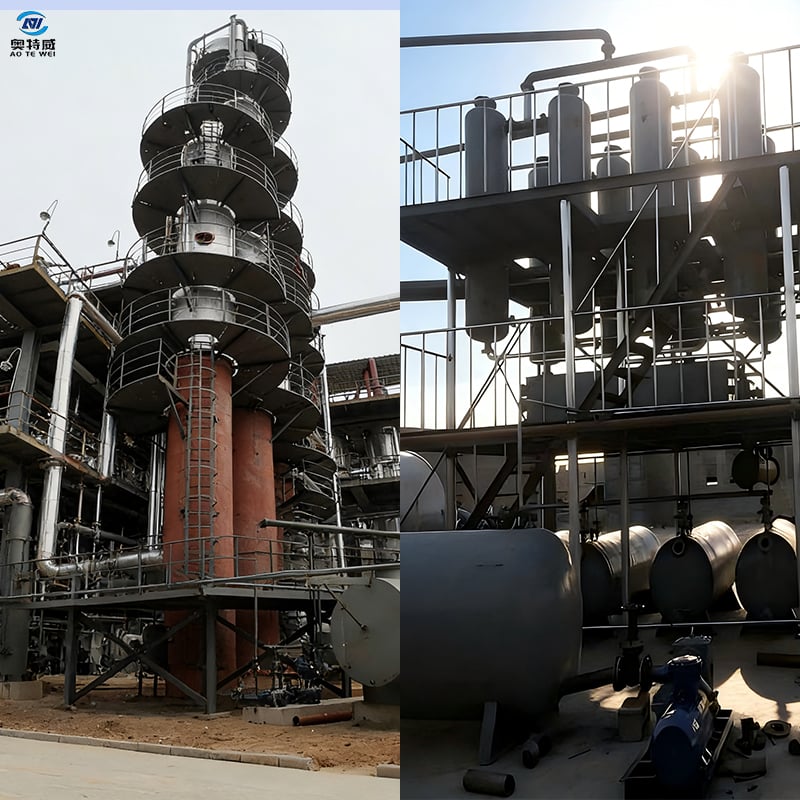
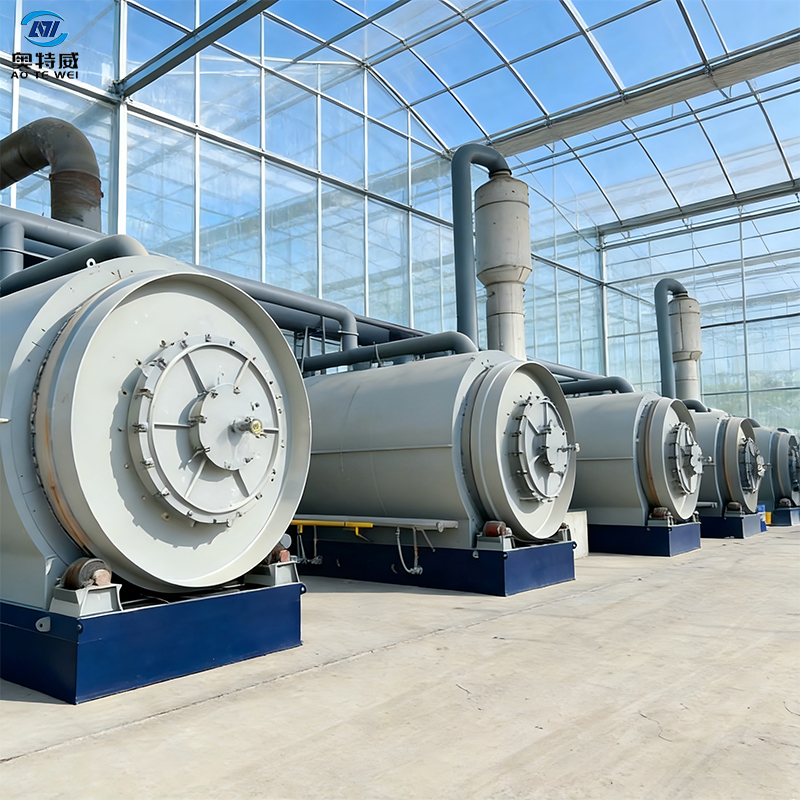
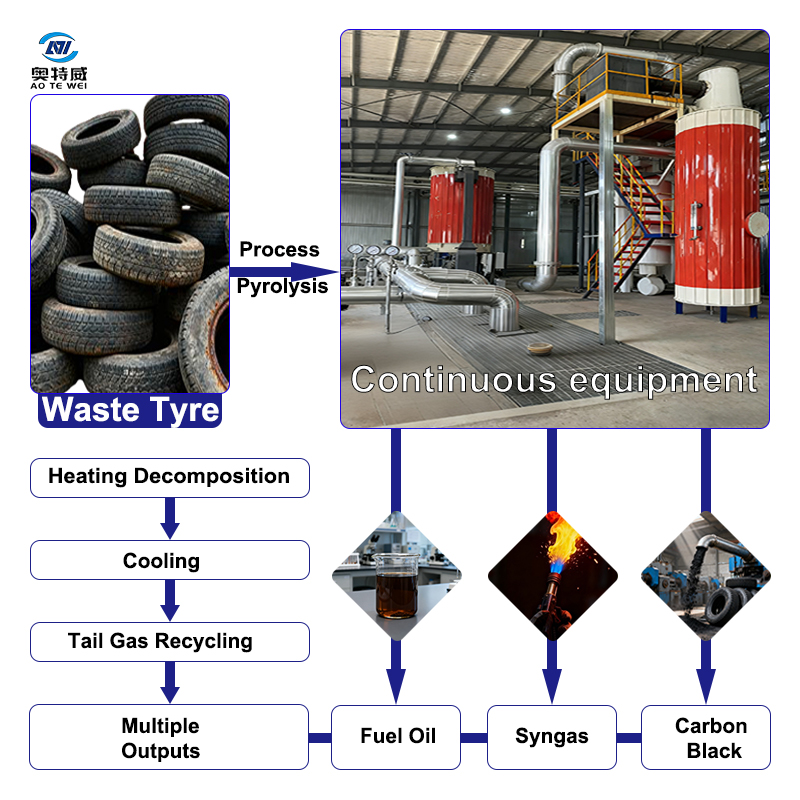
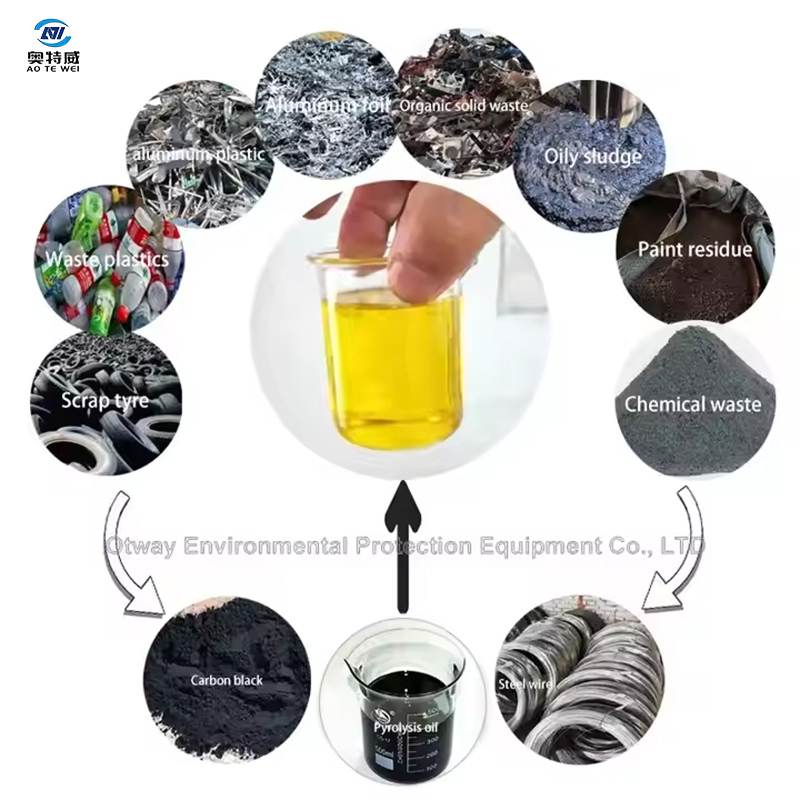
Modern tire disposal & recycling facilities utilize sophisticated processing technology that maximizes material recovery rates while maintaining quality standards for recycled products. The technological infrastructure begins with automated intake systems that efficiently handle high volumes of incoming tires, using conveyor systems and robotic sorting equipment to categorize tires by size, type, and composition. This initial sorting proves essential for optimizing downstream processing and ensuring consistent output quality. The primary shredding stage employs heavy-duty tire shredders with hardened steel blades capable of cutting through reinforced rubber and steel belts without dulling or breaking. These machines operate with precision hydraulics and adjustable cutting patterns to produce tire chips of specified dimensions, ranging from large chunks for civil engineering applications to fine crumb rubber for manufacturing uses. Following initial size reduction, tire disposal & recycling systems employ magnetic separation technology to extract steel components efficiently. Powerful electromagnets and eddy current separators remove ferrous and non-ferrous metals with high accuracy, producing clean steel wire that commands premium prices in scrap metal markets. The recovered steel maintains excellent quality because the separation process occurs before significant contamination or degradation can happen. Advanced screening and classification equipment then sorts rubber particles by size using vibrating screens, air classifiers, and density separation methods. This multi-stage classification produces uniform particle sizes essential for specific applications, such as molded products requiring consistent material properties or rubberized asphalt demanding precise gradation. For applications requiring extremely fine rubber powder, cryogenic processing technology offers superior results. This method freezes tire rubber using liquid nitrogen, making it brittle enough to shatter into powder form while preserving the rubber's chemical properties. Cryogenic tire disposal & recycling produces powder fine enough for high-value applications like new tire manufacturing and specialty rubber compounds. Pyrolysis technology represents the cutting edge of tire disposal & recycling, using controlled heating in oxygen-free environments to break down rubber into oil, gas, carbon black, and steel. This thermal decomposition process recovers valuable commodities while generating minimal emissions. The resulting pyrolysis oil serves as fuel or chemical feedstock, recovered carbon black replaces virgin material in rubber products, and combustible gas powers the pyrolysis process itself, creating energy self-sufficiency. Quality control systems integrated throughout processing facilities monitor particle size distribution, contamination levels, and material properties in real-time. Automated testing equipment ensures recycled materials meet industry specifications and customer requirements consistently. This technological sophistication in tire disposal & recycling operations transforms what was once waste into precision-engineered materials suitable for demanding applications.
Environmental Protection Through Comprehensive Waste Diversion

Environmental Protection Through Comprehensive Waste Diversion

Tire disposal & recycling serves as a frontline defense against environmental degradation caused by improper tire management, offering comprehensive waste diversion that protects ecosystems and public health. The environmental protection benefits begin with preventing tire accumulation in illegal dumping sites, which plague rural areas and urban fringes worldwide. These unauthorized dumps create eyesores, devalue property, and pose serious ecological threats. By establishing accessible tire disposal & recycling collection networks, communities provide legal alternatives that discourage illegal dumping and facilitate responsible disposal. The volume of waste diverted from landfills through tire recycling proves substantial, with each passenger tire occupying approximately 23 cubic feet of landfill space and taking centuries to decompose naturally. Multiply this by the millions of tires discarded annually, and the landfill space conservation becomes evident. Tire disposal & recycling redirects this material stream into productive uses rather than permanent burial. Preventing groundwater contamination represents a critical environmental benefit, as tires in landfills can leach toxic chemicals including heavy metals and organic compounds into surrounding soil and water supplies. The recycling process neutralizes these contamination risks by processing tires in controlled facilities with proper environmental safeguards. Air quality improvement emerges as another environmental advantage, particularly in regions where open burning of tires was previously common. Tire fires release particulate matter, carbon monoxide, sulfur dioxide, and products of incomplete combustion that harm respiratory health and contribute to climate change. Tire disposal & recycling eliminates the need for burning by creating economic value that incentivizes proper collection and processing. The reduction in greenhouse gas emissions extends beyond fire prevention, as manufacturing products from recycled tire materials requires significantly less energy than producing equivalent items from virgin resources. Life cycle assessments demonstrate that tire disposal & recycling reduces carbon footprints across multiple industries by displacing energy-intensive primary production. Habitat protection benefits wildlife as well, since tire piles provide harborage for rodents, snakes, and other animals that may become nuisances or disease vectors. Standing water trapped in tires creates ideal mosquito breeding habitat, contributing to the spread of West Nile virus, dengue fever, and other mosquito-borne illnesses. Effective tire disposal & recycling programs eliminate these breeding sites and reduce disease transmission risks. Marine ecosystem protection also connects to tire recycling efforts, as improperly disposed tires often wash into waterways during floods, eventually reaching oceans where they persist indefinitely. These tires damage coral reefs, entangle marine life, and contribute to oceanic pollution. Comprehensive tire disposal & recycling infrastructure prevents tires from entering aquatic environments by capturing them within managed collection systems. The environmental stewardship demonstrated through tire disposal & recycling aligns with corporate sustainability goals and community environmental justice initiatives, showing that economic activity and ecological responsibility can coexist successfully.
Diverse Revenue-Generating Applications Across Multiple Industries

Diverse Revenue-Generating Applications Across Multiple Industries

The versatility of tire disposal & recycling manifests through diverse revenue-generating applications spanning construction, manufacturing, energy production, and consumer products sectors, creating robust markets for recycled tire materials. In the construction and civil engineering realm, tire-derived aggregate serves as lightweight fill material for road embankments, bridge abutments, and retaining wall backfill. Engineers value these applications because shredded tires weigh approximately one-third as much as soil, reducing loads on underlying substrata and construction costs. The compressibility and drainage characteristics of tire chips make them ideal for projects requiring flexible, permeable materials. Tire disposal & recycling supplies materials for septic system leach fields, French drains, and erosion control applications where conventional aggregates would prove more expensive or less effective. The athletic and recreational sectors represent major markets for crumb rubber from tire disposal & recycling operations. Synthetic turf fields incorporate rubber infill that provides cushioning and performance characteristics athletes demand. Playground surfaces utilize rubber mulch and poured-in-place rubber surfacing that reduces injury severity from falls while providing accessible, durable play areas. Running tracks, weight room flooring, and gymnasium surfaces benefit from recycled rubber's shock absorption and resilience. These applications command premium prices due to strict safety and performance requirements, creating profitable outlets for high-quality tire disposal & recycling products. The manufacturing industry integrates recycled tire rubber into numerous products through devulcanization and compounding processes. Tire disposal & recycling materials appear in new tire production, where up to 5 percent recycled content can be incorporated without compromising performance. Automotive parts manufacturers use recycled rubber for mud flaps, floor mats, and weatherstripping. Industrial products including conveyor belts, gaskets, hoses, and vibration dampening mounts contain recycled tire materials. Consumer goods ranging from shoe soles to garden hoses benefit from the cost advantages and environmental credentials of tire disposal & recycling materials. The roofing industry has embraced rubber from tire disposal & recycling for producing rubberized asphalt shingles and rolled roofing products that offer superior durability and weather resistance compared to traditional materials. These roofing products command retail prices that support profitable tire recycling operations. Energy generation through tire-derived fuel represents a growing application sector where tire disposal & recycling facilities supply processed tires to cement kilns, paper mills, pulp processors, and dedicated waste-to-energy power plants. The high BTU content of tire-derived fuel, approximately 15,000 BTU per pound compared to 12,000 for coal, makes it an attractive energy source. Industrial facilities benefit from lower fuel costs while tire disposal & recycling operators generate revenue from material sales. Molded products manufacturing creates additional markets, with companies producing parking stops, dock bumpers, railroad crossing pads, and livestock mats from recycled tire rubber. These heavy-duty applications leverage rubber's durability and weather resistance while creating demand for tire disposal & recycling outputs. The asphalt paving industry incorporates crumb rubber modifier into rubberized asphalt concrete, producing road surfaces with improved durability, reduced road noise, and better skid resistance. State and municipal paving projects increasingly specify rubberized asphalt, creating steady demand for tire disposal & recycling products. This diversity of applications insulates tire disposal & recycling businesses from market fluctuations affecting any single sector while maximizing material utilization and revenue potential.

Get a Free Quote

Our representative will contact you soon.
Email
WhatsApp / Mobile
Name
Company Name
Message
0/1000
Newsletter
Please Leave A Message With Us