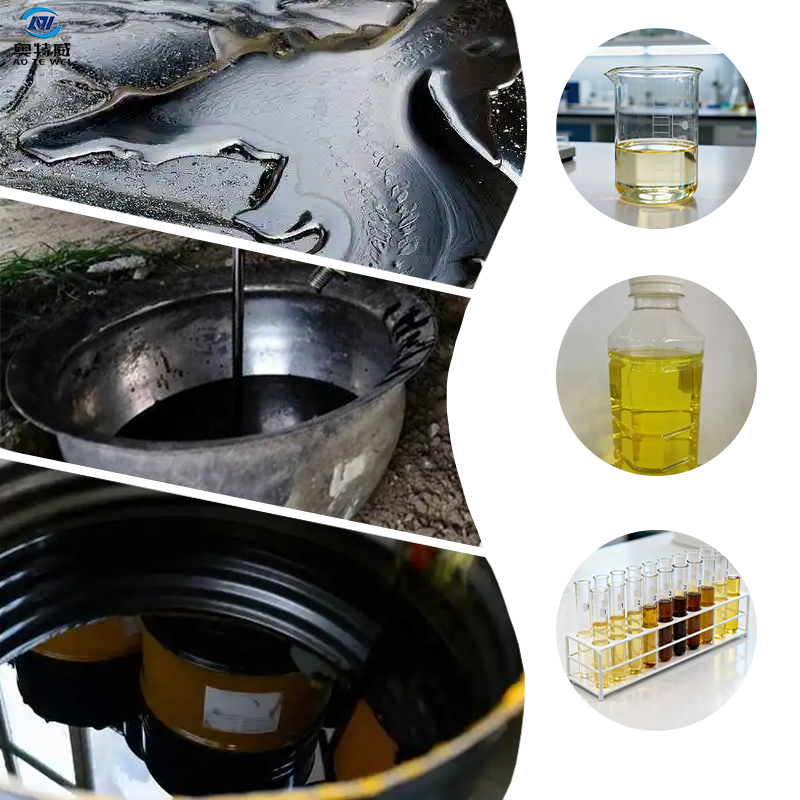
Oil Recycling Plant Solutions: Advanced Technology for Sustainable Waste Oil Recovery and Regeneration

Get a Free Quote

Our representative will contact you soon.
Email
WhatsApp / Mobile
Name
Company Name
Message
0/1000

oil recycling plant

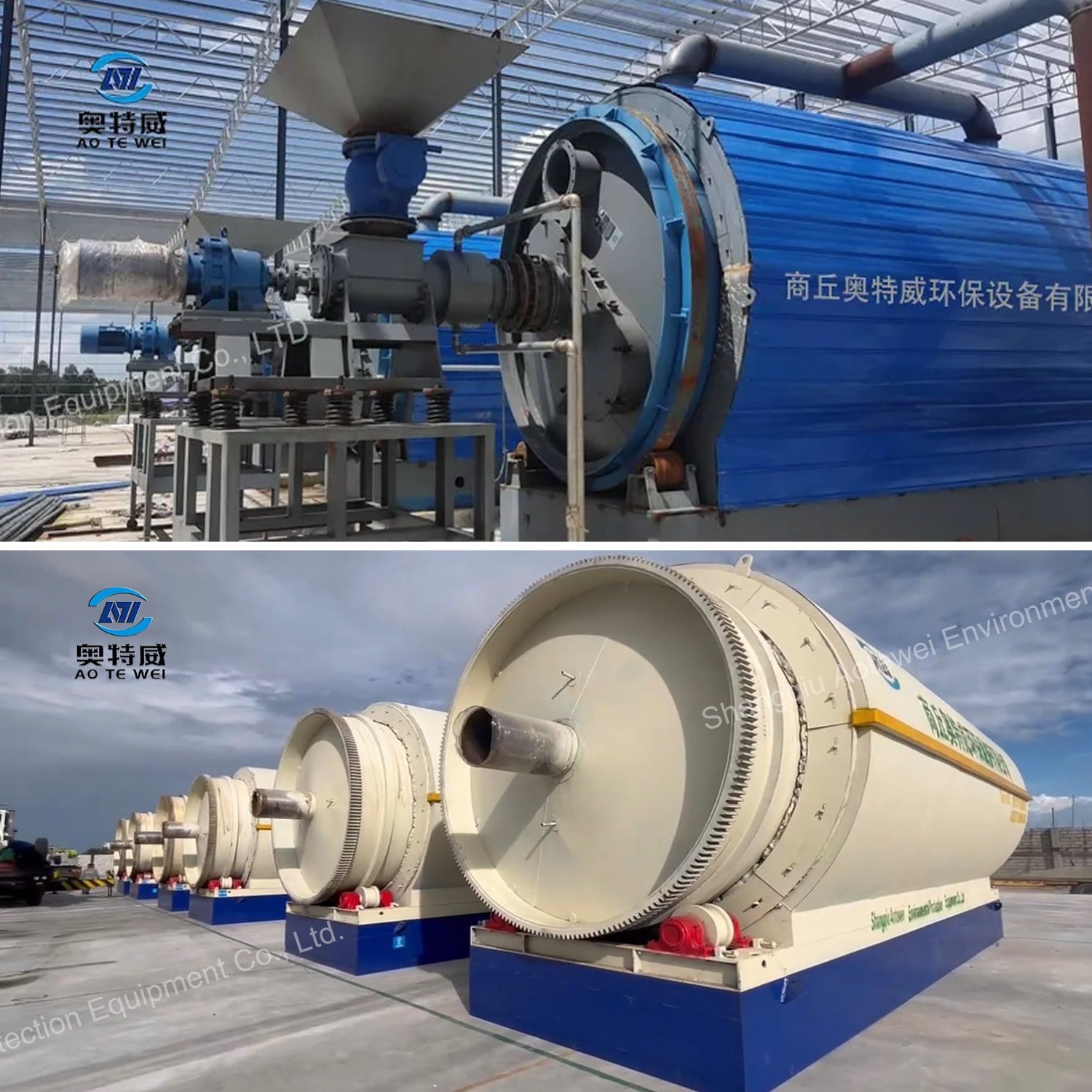
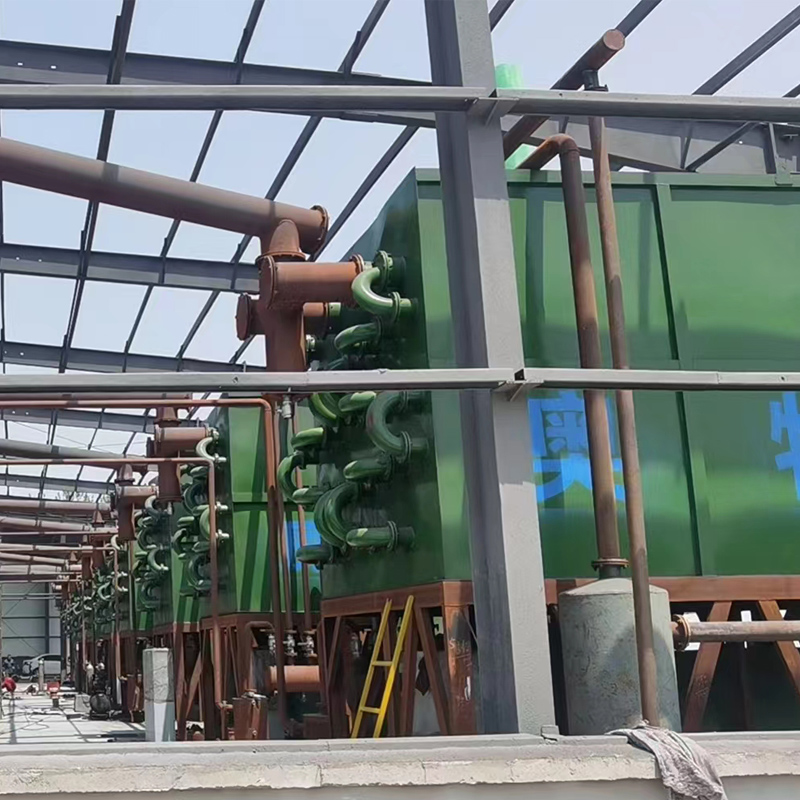
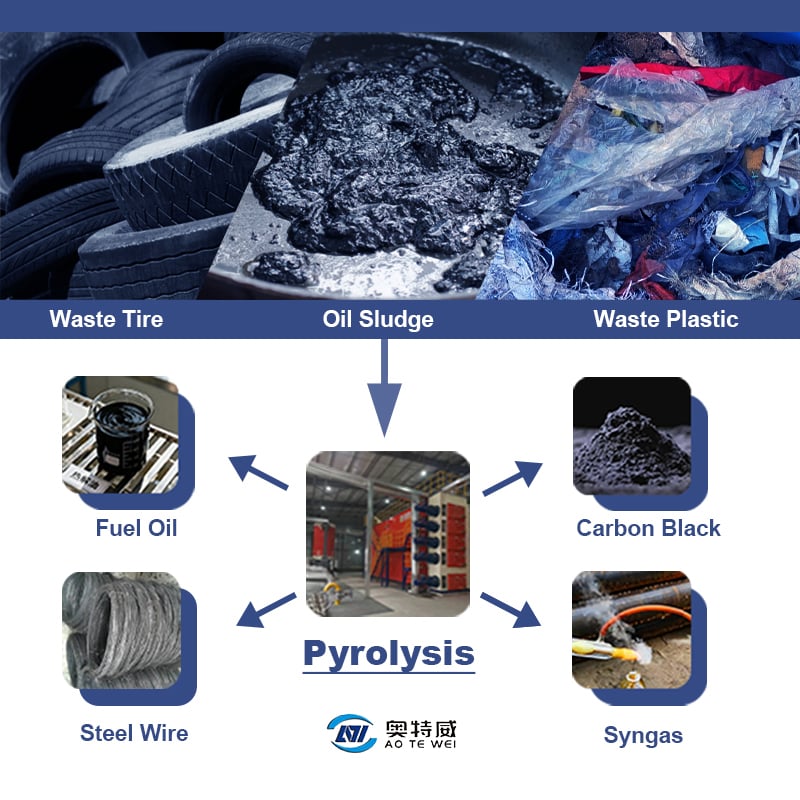
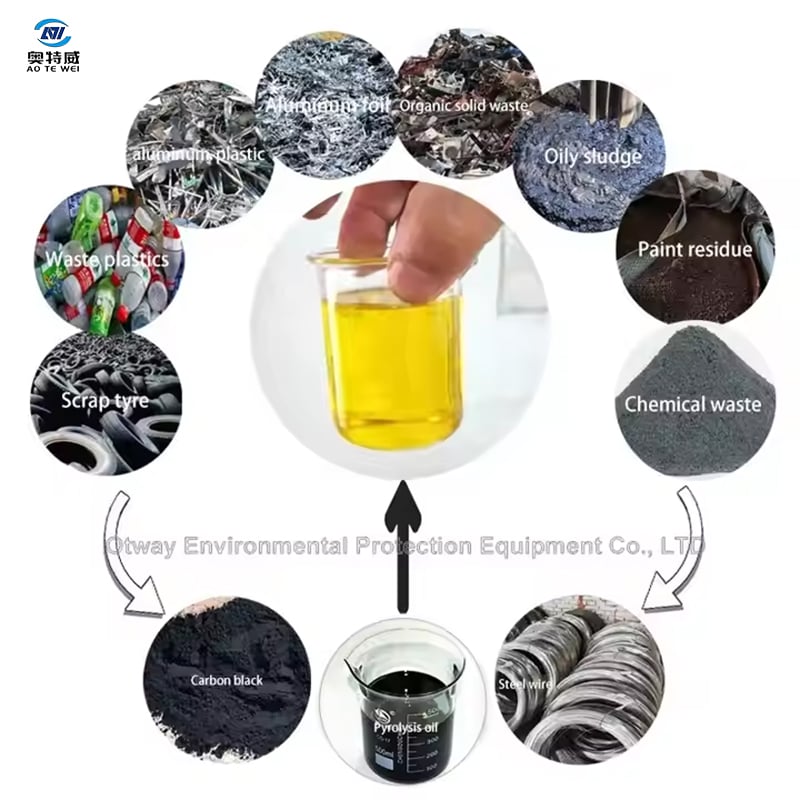
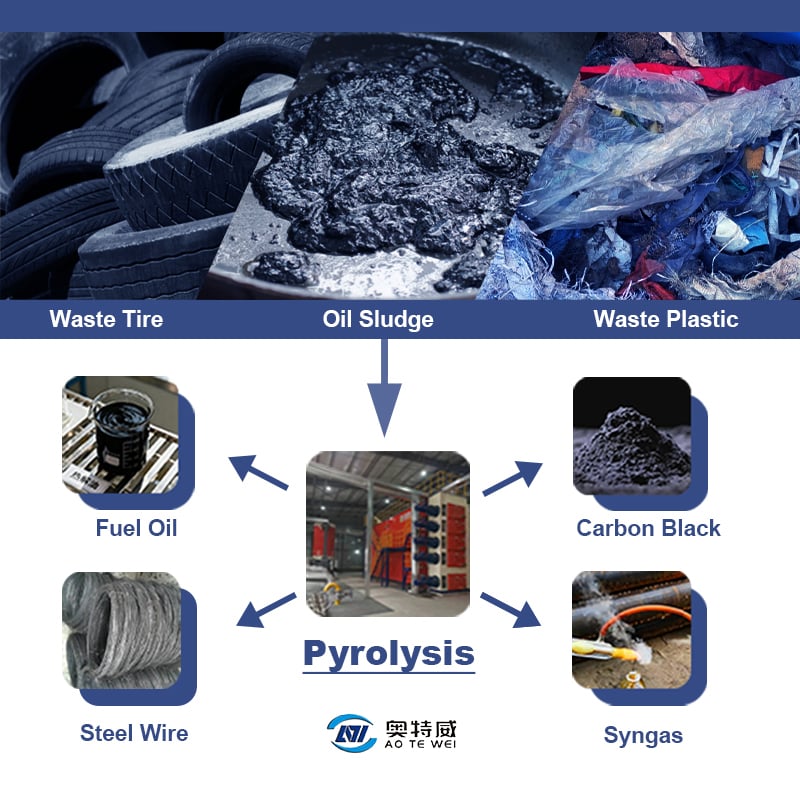
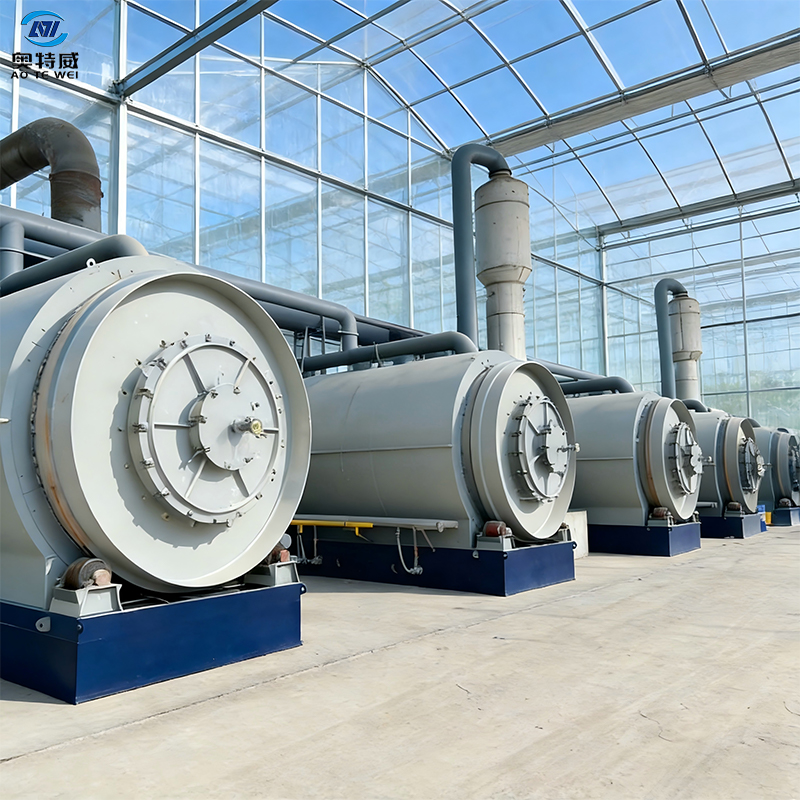
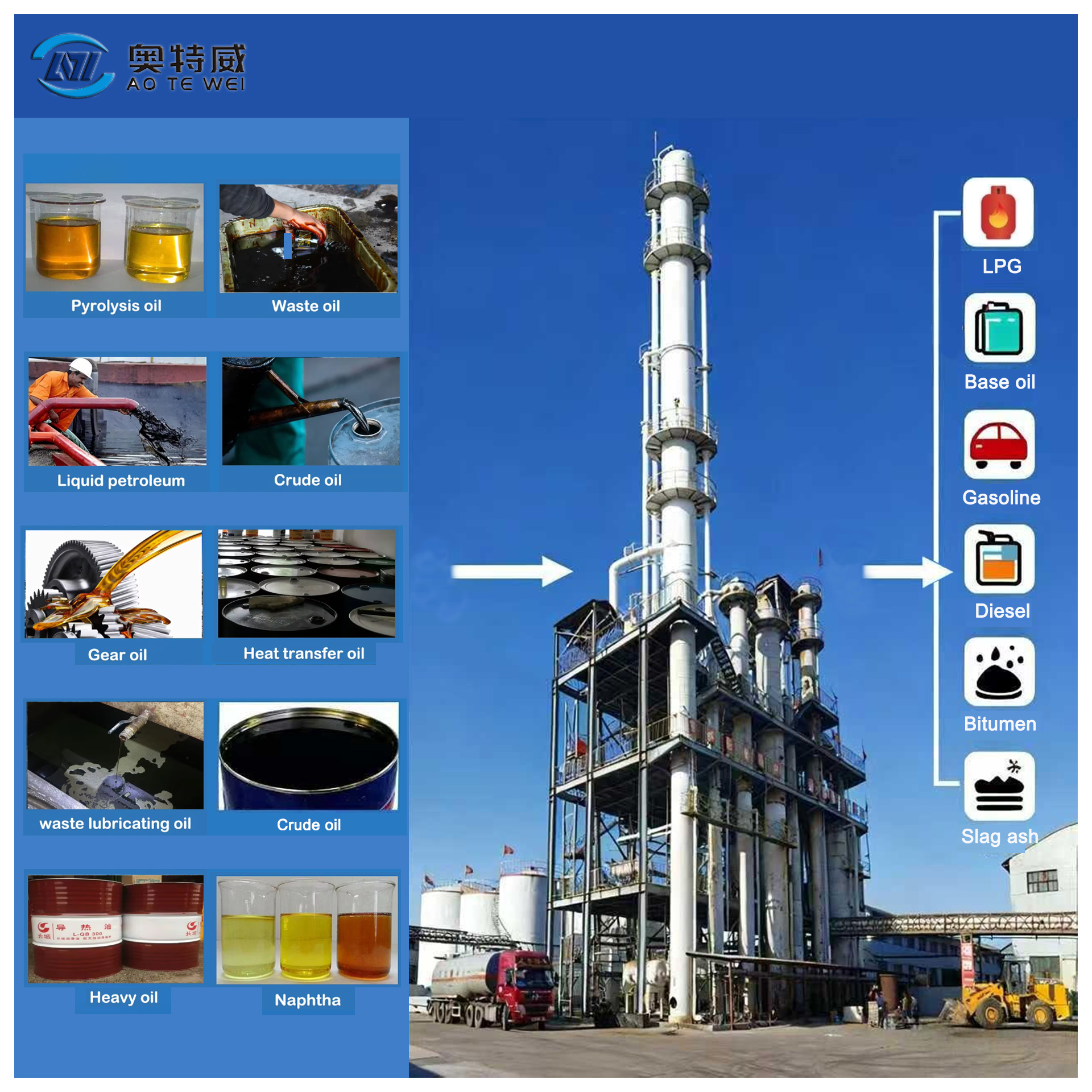
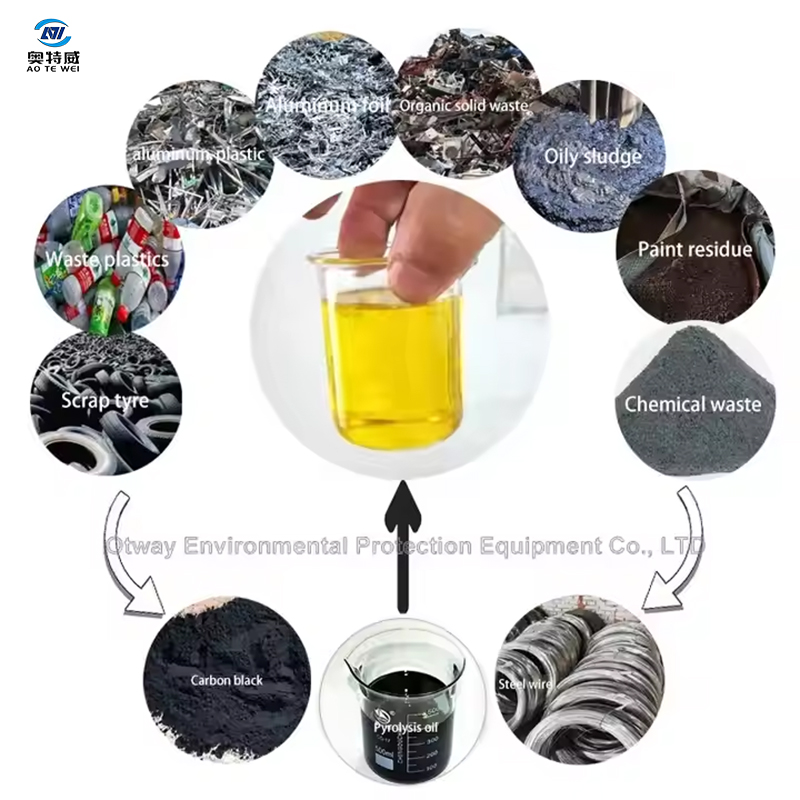
An oil recycling plant represents a sophisticated industrial facility designed to transform used, contaminated, or waste oils into valuable, reusable products through advanced purification and regeneration processes. These specialized installations serve critical environmental and economic functions by preventing improper disposal of hazardous petroleum-based materials while recovering precious resources that would otherwise be lost. The primary function of an oil recycling plant involves collecting various types of spent oils from automotive sources, industrial machinery, hydraulic systems, and transformer equipment, then processing these materials through multi-stage treatment systems. The technological framework typically incorporates several integrated purification methods including vacuum distillation, chemical treatment, filtration systems, and dehydration processes. Modern facilities employ cutting-edge separation technologies that remove particulate matter, water contamination, oxidation byproducts, and chemical additives that degrade oil quality during usage. The distillation process heating waste oil under controlled vacuum conditions allows different hydrocarbon fractions to separate based on their boiling points, enabling recovery of base oil components suitable for remanufacturing. Advanced filtration stages utilize mechanical filters, centrifugal separators, and sometimes clay treatment or hydrogenation to achieve final product specifications. Applications for processed output from an oil recycling plant span numerous industries, with regenerated base oils returning to lubricant manufacturing, industrial applications requiring hydraulic fluids, and energy production facilities using fuel-grade recovered oil. The environmental significance cannot be overstated, as a single facility can process thousands of gallons daily, preventing soil contamination, groundwater pollution, and air quality degradation that results from improper waste oil disposal. Furthermore, these installations contribute substantially to circular economy principles by reducing dependence on virgin crude oil extraction, lowering carbon footprints associated with petroleum refining, and creating sustainable material flows within industrial ecosystems.

New Product Releases

Investing in an oil recycling plant delivers substantial financial returns while addressing critical environmental challenges that businesses and communities face today. The most immediate advantage comes from significant cost savings, as companies no longer need to pay expensive disposal fees for their used oils. Instead, they can either process their own waste streams or sell contaminated oils to recycling facilities, transforming a liability into a revenue source. The regenerated products retain approximately 85 to 95 percent of the performance characteristics of virgin oils but cost considerably less to produce, creating competitive pricing advantages for manufacturers and end users alike. Environmental benefits stand equally prominent, as proper recycling prevents countless gallons of hazardous materials from contaminating ecosystems. A single gallon of improperly discarded oil can pollute up to one million gallons of freshwater, making professional recycling infrastructure essential for ecological protection. These facilities dramatically reduce the carbon footprint associated with petroleum products since reprocessing used oil requires only about one-third the energy needed to refine crude oil into equivalent products. Regulatory compliance becomes straightforward with an oil recycling plant, as governments worldwide impose increasingly strict standards for waste oil management. Companies utilizing these facilities easily meet environmental regulations, avoid hefty fines, and demonstrate corporate responsibility that enhances brand reputation. The operational flexibility of modern plants allows processing of diverse feedstocks including engine oils, transmission fluids, hydraulic oils, industrial lubricants, and transformer oils, maximizing utilization rates and economic viability. Resource security represents another compelling advantage, particularly for regions dependent on imported petroleum products. By establishing local recycling capacity, communities reduce vulnerability to supply chain disruptions and price volatility in global oil markets. The technology creates employment opportunities across collection, transportation, processing, quality control, and distribution sectors, contributing to local economic development. Product quality from advanced facilities now matches or exceeds many virgin oil specifications for numerous applications, eliminating performance compromises that concerned early adopters. Modern automation and process control systems ensure consistent output quality while minimizing labor requirements and operational costs. The scalability of recycling infrastructure allows facilities to start with modest capacities and expand as feedstock availability and market demand grow, reducing initial capital barriers. Long-term sustainability becomes achievable as circular material flows replace linear consumption patterns, supporting industrial operations for generations while preserving natural resources.

Latest News

Company Updates Factory Audit Video | On-site Shooting of Aotewei Environmental Protection Equipment, Transparently Showing Manufacturing Strength

08

Apr

Company Updates Factory Audit Video | On-site Shooting of Aotewei Environmental Protection Equipment, Transparently Showing Manufacturing Strength

To further improve supply chain transparency and optimize the factory audit experience for domestic and overseas customers, Shangqiu Aotewei Environmental Protection Equipment Co., Ltd. has recently completed a comprehensive update of its factory aud...
View More

Get a Free Quote

Our representative will contact you soon.
Email
WhatsApp / Mobile
Name
Company Name
Message
0/1000

oil recycling plant

Advanced Multi-Stage Purification Technology Ensures Superior Product Quality

Advanced Multi-Stage Purification Technology Ensures Superior Product Quality

The technological sophistication embedded within a modern oil recycling plant distinguishes it from simple filtration systems, delivering regenerated products that meet rigorous industry standards and perform reliably across demanding applications. At the heart of these facilities lies a carefully orchestrated sequence of purification stages, each targeting specific contaminants that accumulate during oil usage cycles. The process typically begins with pre-treatment where large particulates, metal shavings, and sediment are removed through settling tanks and coarse filtration, protecting downstream equipment from abrasive damage. Following this initial cleaning, dehydration systems employ vacuum distillation or specialized evaporators to eliminate water contamination, which causes corrosion, reduces lubrication effectiveness, and interferes with subsequent processing steps. The core regeneration occurs in distillation columns operating under carefully controlled vacuum conditions, where reduced atmospheric pressure allows separation of hydrocarbon fractions at lower temperatures than conventional refining, preserving molecular structures and preventing thermal degradation. This sophisticated separation exploits the distinct boiling points of various oil components, allowing recovery of valuable base oil while segregating fuel-grade lighter fractions and heavier residues. Advanced facilities incorporate hydrotreatment stages that use catalysts and hydrogen to remove sulfur compounds, nitrogen contaminants, and unsaturated hydrocarbons that compromise stability and performance. Chemical treatment processes neutralize acidic degradation products and remove oxidation byproducts that form during high-temperature service conditions. Final polishing stages employ clay adsorption, specialized filtration media, or additional distillation to achieve color, clarity, and purity specifications matching virgin oil standards. Quality control laboratories within an oil recycling plant continuously monitor feedstock characteristics, intermediate process streams, and final products through comprehensive testing protocols including viscosity measurement, flash point determination, contamination analysis, and performance additive compatibility assessment. This rigorous technological approach enables production of Group I, II, and sometimes Group III base oils suitable for compounding into premium lubricants, industrial fluids, and specialty applications. The environmental advantages extend beyond waste reduction, as modern recycling technology captures and treats process emissions, preventing atmospheric release of volatile organic compounds and ensuring facility operations maintain exceptional environmental compliance standards.
Comprehensive Economic Benefits Create Profitable Business Opportunities

Comprehensive Economic Benefits Create Profitable Business Opportunities

The financial proposition surrounding an oil recycling plant extends far beyond simple waste management, creating multiple revenue streams and cost reduction opportunities that deliver attractive returns on investment for operators, suppliers, and customers throughout the value chain. For facility operators, the business model benefits from dual income sources: receiving tipping fees from companies and individuals disposing of waste oils, then selling the regenerated products to lubricant manufacturers, industrial users, and fuel distributors. This revenue structure provides financial stability and attractive profit margins, particularly as virgin crude oil prices fluctuate and environmental regulations make proper disposal increasingly expensive. The capital investment required for establishing an oil recycling plant varies based on processing capacity, technology sophistication, and automation levels, but modular designs and phased expansion approaches allow entrepreneurs to enter the market with manageable initial expenditures. Operational costs remain relatively low compared to petroleum refining, as the feedstock arrives pre-refined and requires less intensive processing than converting crude oil into finished products. Energy consumption, while significant for distillation and heating operations, represents only a fraction of the power needed for virgin oil production, contributing to both cost efficiency and environmental sustainability. For waste oil generators including automotive service centers, manufacturing facilities, transportation companies, and utilities, partnering with an oil recycling plant eliminates hazardous waste disposal expenses that can reach hundreds or thousands of dollars per collection cycle. Many jurisdictions mandate proper disposal documentation and impose severe penalties for environmental violations, making reliable recycling relationships essential for regulatory compliance and risk management. The circular economy framework reduces market exposure to crude oil price volatility, as regenerated base oils typically price at discounts to virgin materials while delivering comparable performance, creating competitive advantages for lubricant manufacturers who incorporate recycled content. Industrial consumers benefit from cost-effective fluid solutions that reduce operating expenses without compromising equipment protection or maintenance intervals. The oil recycling plant model scales effectively across various facility sizes, from small regional operations processing hundreds of gallons daily to industrial-scale installations handling millions of gallons annually, allowing business models tailored to specific market conditions and investment capabilities. Government incentives, environmental credits, and sustainability programs increasingly provide financial support for recycling infrastructure development, improving project economics and accelerating payback periods for investors.
Environmental Protection and Sustainability Leadership Drive Long-Term Value

Environmental Protection and Sustainability Leadership Drive Long-Term Value

The environmental impact of an oil recycling plant extends dramatically beyond simple waste diversion, creating measurable ecological benefits that address climate change, resource conservation, and ecosystem protection while positioning businesses as sustainability leaders in their industries. The fundamental environmental advantage stems from preventing improper disposal of hazardous petroleum materials that pose severe threats to soil quality, groundwater resources, surface water bodies, and wildlife habitats. Scientific studies confirm that a single quart of waste oil can contaminate 250,000 gallons of drinking water, illustrating the catastrophic potential of careless disposal practices that recycling infrastructure prevents. By channeling used oils into professional processing facilities, communities protect their environmental resources while recovering valuable materials for productive reuse. The carbon footprint reduction achieved through oil recycling proves substantial, as lifecycle assessments demonstrate that reprocessing used oil generates approximately 70 percent fewer greenhouse gas emissions compared to refining equivalent volumes of virgin base oil from crude petroleum. This climate benefit results from eliminating energy-intensive crude oil extraction, long-distance transportation, and initial refining processes, instead focusing energy inputs on targeted purification of already-refined materials. An oil recycling plant conserves finite petroleum resources by extending the useful life of molecules originally refined from crude oil, effectively multiplying the value extracted from each barrel of virgin feedstock. Industry estimates suggest that two and one-half quarts of virgin crude oil are required to produce a single quart of lubricating oil, while the same quart can be regenerated from used oil with far less resource consumption, demonstrating dramatic efficiency improvements. The circular material flow created by recycling infrastructure reduces dependence on imported petroleum products, enhancing energy security for nations while decreasing geopolitical tensions associated with fossil fuel resources. Ecosystem protection benefits extend to marine environments, as waste oil represents a significant pollution source for waterways through storm drain contamination and illegal dumping, making professional collection and processing networks essential for aquatic habitat preservation. Air quality improvements result from preventing backyard burning of waste oil, a practice that releases toxic compounds, heavy metals, and particulate matter directly into atmospheric environments where human populations experience exposure. Modern facilities incorporate sophisticated emission control systems that capture and treat process gases, ensuring facility operations maintain minimal environmental impact while processing large volumes of hazardous materials. Corporate sustainability programs increasingly recognize recycled oil procurement as a measurable environmental achievement, with many organizations setting targets for recycled content utilization and circular economy participation that drive market demand for outputs from an oil recycling plant.

Get a Free Quote

Our representative will contact you soon.
Email
WhatsApp / Mobile
Name
Company Name
Message
0/1000
Newsletter
Please Leave A Message With Us